

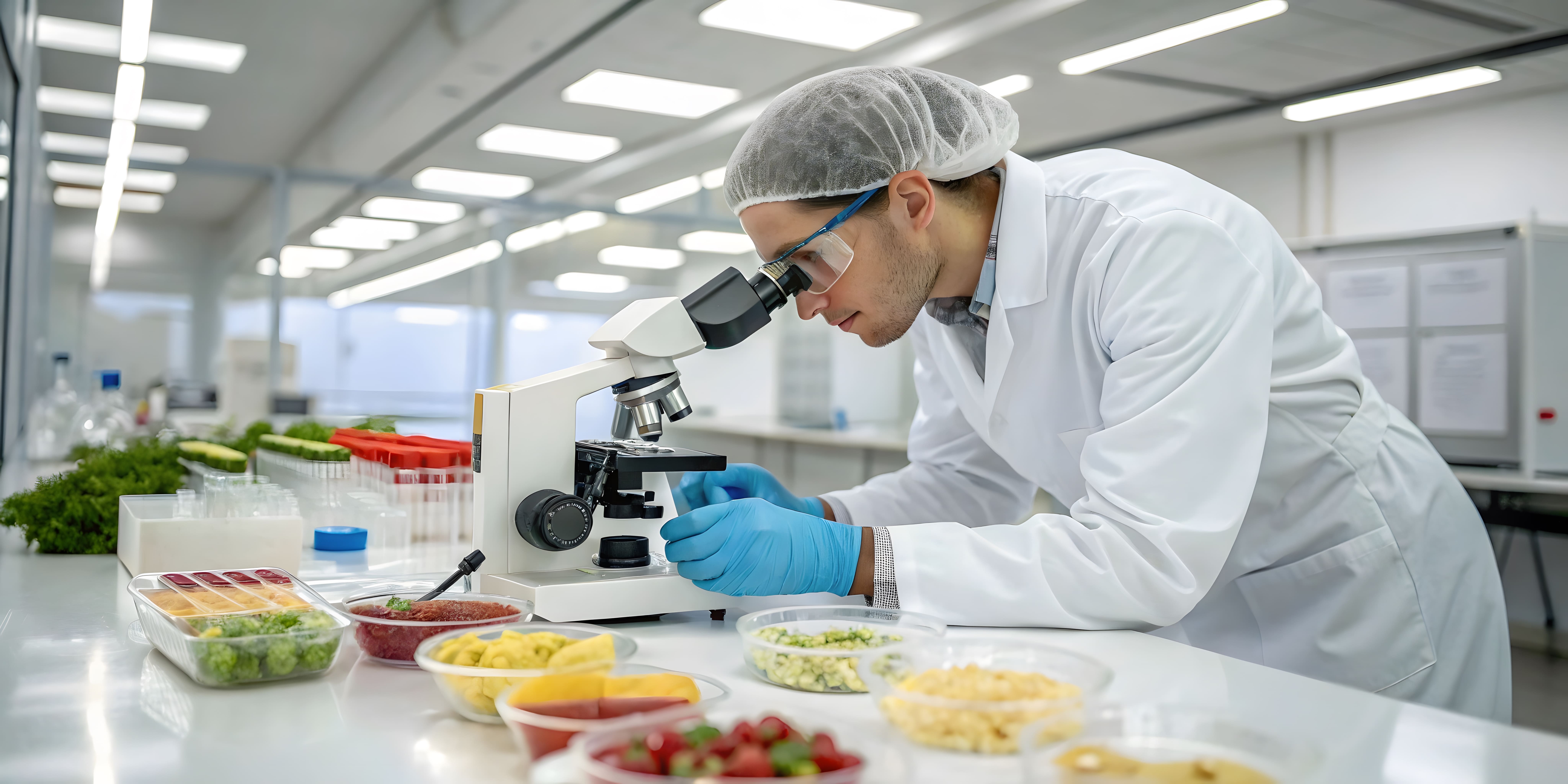
When consumers ask “How safe is the food I eat?”, the answer largely depends on food testing services. These services evaluate food products for safety, quality, nutrition, and regulatory compliance before they reach the market. From identifying harmful microorganisms to verifying nutritional labels, food testing services act as the backbone of food safety systems worldwide. In today’s highly regulated and consumer-driven market, reliable lab testing for food products is no longer optional—it is essential for public health, brand trust, and legal compliance.
This blog explains food testing services in detail, covering standards, processes, real-world applications, and business benefits, while helping you understand how the right food testing lab can protect both consumers and food brands.
What Are Food Testing Services?
Food testing services involve scientific analysis of food and beverage products to ensure they meet safety, quality, and regulatory standards. These services are carried out by certified food safety testing labs using advanced instruments and validated methods.
A professional food analysis laboratory evaluates products at different stages—raw materials, processing, packaging, and finished goods. The goal is to detect contaminants, verify ingredients, confirm nutritional claims, and ensure compliance with national and international regulations.
Real-world example
A packaged snack manufacturer once faced a nationwide recall due to undeclared allergens. Regular testing at a consumer food testing lab could have detected the issue early, saving the brand from financial loss and reputational damage.
Importance of Food Testing Services in Today’s Food Industry
Food supply chains are more complex than ever. Ingredients are sourced globally, processed locally, and sold internationally. This complexity increases the risk of contamination, adulteration, and mislabeling.
Food testing services help businesses:
- Prevent foodborne illnesses
- Comply with FSSAI, FDA, and export regulations
- Build consumer confidence
- Reduce recalls and legal risks
According to WHO, unsafe food causes over 600 million illnesses globally each year. Reliable food safety testing labs play a key role in reducing this number.
Food Testing Services and Regulatory Standards
National and International Standards
A professional analytical testing laboratory follows globally recognized standards such as:
- FSSAI (India)
- ISO 17025
- FDA (USA)
- Codex Alimentarius
In India, NABL accredited food testing labs are considered the gold standard. NABL accreditation confirms that the lab follows strict quality systems, validated methods, and competent testing practices.
Why NABL Accreditation Matters
Choosing NABL accredited food testing labs ensures:
- Accurate and reproducible results
- Legal acceptance of reports
- Compliance with export requirements
- Confidence for audits and inspections
Types of Food Testing Services Offered by Food Testing Labs
Microbiological Food Testing Services
This testing identifies harmful microorganisms such as:
- Salmonella
- E. coli
- Listeria
- Yeast and mold
Microbiological testing is critical for ready-to-eat foods, dairy, meat, and beverages.
Chemical and Contaminant Testing
Food testing services also analyze:
- Pesticide residues
- Heavy metals (lead, mercury, arsenic)
- Food additives and preservatives
A trusted analytical testing lab uses high-end instruments like GC-MS and ICP-MS for accurate detection.
Nutritional Analysis and Label Verification
Consumers rely on labels. A certified food analysis laboratory verifies:
- Calories
- Proteins, fats, carbohydrates
- Vitamins and minerals
Accurate nutritional testing protects brands from regulatory penalties and consumer mistrust.
Lab Testing for Food Products: Step-by-Step Process
Understanding how lab testing for food products works helps businesses plan better.
1. Sample Collection and Inspection
Samples are collected following strict guidelines to avoid contamination. An experienced inspection company may also assess manufacturing conditions.
2. Sample Preparation
The sample is processed under controlled conditions to ensure consistency.
3. Analytical Testing
Advanced analytical testing services are used depending on the requirement—microbiological, chemical, or physical analysis.
4. Quality Control and Validation
Every result goes through QA/QC checks before approval.
5. Reporting and Compliance
The final report is shared with interpretations and regulatory references.
Role of Analytical Testing Services in Food Safety
Analytical testing services form the scientific backbone of food testing services. These services use validated methods and sophisticated instruments to generate reliable data.
A modern analytical testing laboratory supports:
- Product development
- Shelf-life studies
- Root cause analysis during complaints
- Regulatory submissions
Consumer Food Testing Lab: Protecting Public Health
A consumer food testing lab focuses on protecting end-users by testing market-ready products. These labs help regulators and manufacturers ensure products sold to consumers meet safety norms.
For example, random market surveillance by food safety testing labs has helped identify adulterated spices and contaminated milk in India, preventing large-scale health issues.
Food Testing Services for Indian and Global Markets
India is emerging as a global food exporter. To compete internationally, businesses must partner with the top food testing lab in India that understands both domestic and export requirements.
Food testing services help exporters comply with:
- EU residue limits
- US FDA standards
- Middle East regulations
Without proper testing, shipments risk rejection, leading to heavy financial losses.
Benefits of Food Testing Services for Businesses
1. Regulatory Compliance
Food testing services ensure adherence to FSSAI and international laws.
2. Brand Trust and Reputation
Consumers trust brands that prioritize safety and transparency.
3. Risk Reduction
Early detection reduces recalls and legal exposure.
4. Product Quality Improvement
Testing insights help improve formulations and shelf life.
5. Market Expansion
Compliance reports from reputed food testing labs open doors to new markets.
Choosing the Right Food Testing Lab
Not all labs are equal. When selecting a food testing lab, consider:
- NABL accreditation
- Range of analytical testing services
- Turnaround time
- Technical expertise
- Data integrity and traceability
A reputed inspection company with integrated laboratory services adds further value by assessing manufacturing facilities alongside testing.
Future of Food Testing Services
Food testing services are evolving rapidly with:
- Automation and LIMS systems
- Rapid testing methods
- AI-driven data analysis
Modern food analysis laboratories now focus on faster turnaround times without compromising accuracy.
Why Choose Qualitek Labs for Food Testing Services?
When it comes to reliable and compliant food testing services, Qualitek Labs stands out as a trusted partner.
With 6+ years of testing excellence and a team of experienced professionals, Qualitek Labs is one of the most opted food testing laboratories in India. The lab is supported by regulatory recognitions, advanced infrastructure, and expert food technologists who deliver end-to-end testing solutions—from product development to final market release.
Qualitek Labs is powered by eLABSS LIMS, a fully automated laboratory management system that ensures complete traceability, transparency, and data integrity. Their stringent QA/QC protocols ensure that every report is scientifically validated, compliant, and delivered within the promised turnaround time.
For businesses seeking dependable food testing services, Qualitek Labs offers insights you can trust.
Frequently Asked Questions (FAQs)
1. What are food testing services used for?
Food testing services are used to ensure food safety, quality, nutritional accuracy, and regulatory compliance before products reach consumers.
2. Why should I choose NABL accredited food testing labs?
NABL accredited food testing labs ensure accuracy, reliability, and legal acceptance of test reports for regulatory and export purposes.
3. How often should lab testing for food products be done?
Testing frequency depends on product type, regulatory requirements, and risk level, but routine testing is recommended for every batch or production cycle.
4. What is the role of an analytical testing laboratory in food safety?
An analytical testing laboratory uses advanced instruments and validated methods to detect contaminants, verify labels, and ensure compliance.
5. Can food testing services help prevent product recalls?
Yes, proactive food testing services identify risks early, significantly reducing the chances of recalls and legal issues.