

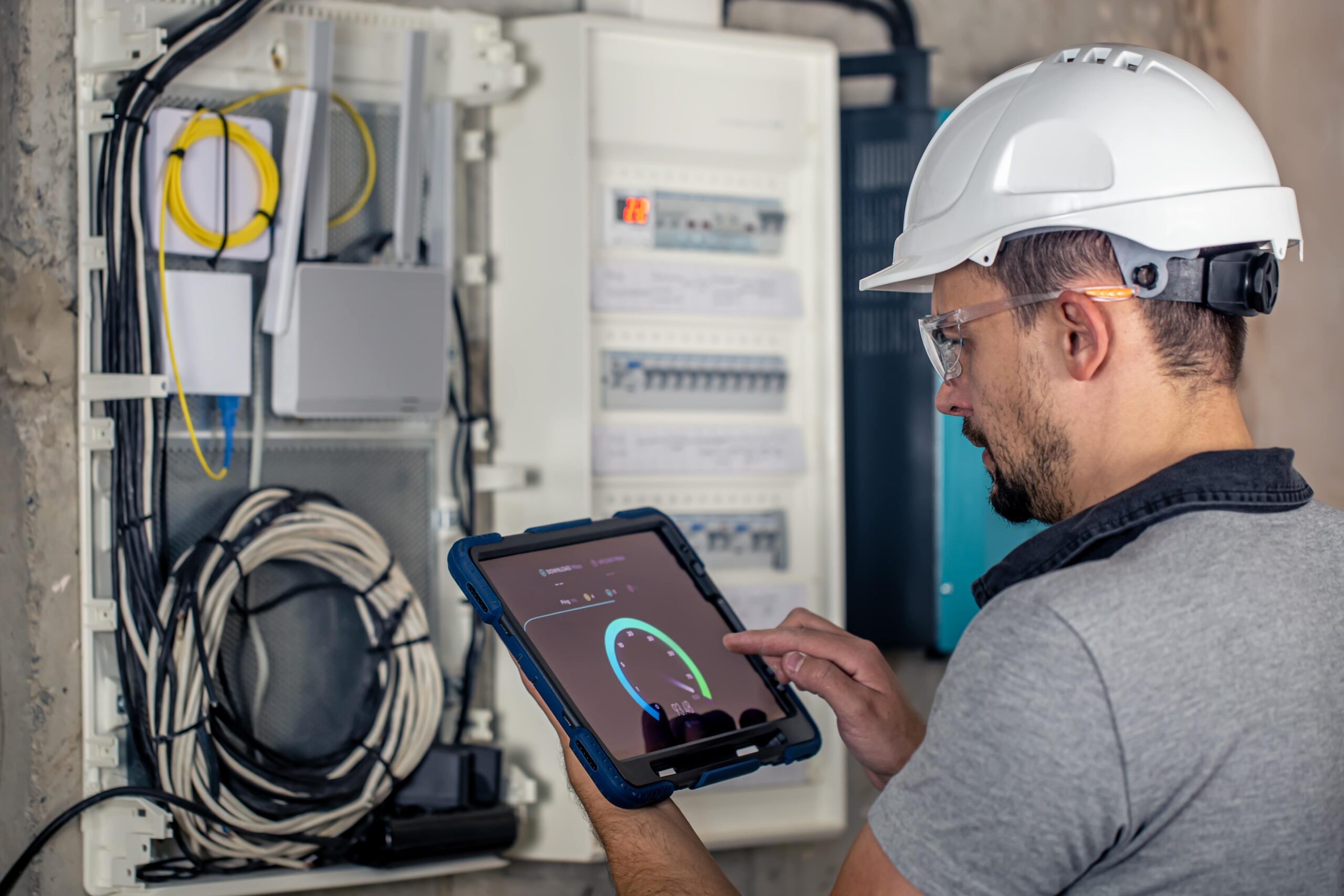
In industrial environments, the reliability and safety of electrical systems can be a matter of life and death. A single electrical malfunction can lead to accidents, operational shutdowns, costly equipment damage, or even legal consequences. This highlights the essential role of electrical equipment testing companies in modern industry. These specialized firms thoroughly assess and verify electrical systems to guarantee their safety, compliance, and overall reliability.
This article explores the significance of partnering with qualified electrical equipment testing companies for maintaining industry safety, the services they provide, and how they mitigate operational risks.
What is Electrical Equipment Testing?
Electrical equipment testing is a structured process where electrical components, systems, and devices are evaluated for their safety, durability, and compliance with both national and international standards. These tests are generally carried out in controlled electrical laboratories equipped with specialized instruments.
Common equipment tested includes:
- Circuit breakers
- Motors and generators
- UPS systems and batteries
- Control panels
- Transformers
- Wiring and cabling systems
Electrical testing is required at various stages throughout the lifecycle of equipment: during production, before installation, after installation, and for ongoing maintenance.
Why Are Electrical Equipment Testing Companies So Important?
Prevent Electrical Hazards
Electrical faults are a leading cause of industrial fires and workplace injuries. Issues such as insulation failures, short circuits, and overloads can result in:
- Electric shocks
- Fires
- Equipment damage
- Injuries or fatalities
Through electrical lab testing, these hazards can be identified and addressed before they escalate.
Ensure Compliance with Safety Standards
Industrial equipment must meet strict regulations such as ISO, IEC, IS, SAE, JIS, GSO, FIMS, and UNECE. Electrical testing companies conduct tests that ensure compliance with these regulations, offering:
- Documentation for regulatory adherence
- Certification support
- Standardized testing reports
This is especially important for manufacturers exporting products internationally or operating in industries like construction, energy, or healthcare.
Minimize Downtime and Equipment Failure
Unexpected electrical failures can cause significant downtime, costing businesses substantial amounts in lost productivity. Predictive maintenance, facilitated by electrical testing, helps identify faults early, allowing companies to:
- Plan repairs ahead of time
- Prevent emergency shutdowns
- Extend the life of their equipment
Ensure Employee and Environmental Safety
Regular electrical testing not only protects machinery but also ensures the safety of the workplace. For instance, VOC testing checks for harmful emissions that could impact indoor air quality or operator health. These tests also confirm that electrical systems can safely manage fault currents, reducing the risk of electrocution or fires.
Enhance Confidence in Product Quality
For original equipment manufacturers (OEMs) and component makers, collaborating with certified electrical testing labs boosts credibility. It demonstrates that your products have been independently tested for quality, performance, and safety.
Services Provided by Electrical Equipment Testing Laboratories
Electrical testing labs provide a variety of services, including:
- High Voltage Testing: Assesses the equipment’s resistance to voltage surges or spikes.
- Insulation Resistance Testing: Evaluates the effectiveness of insulation in preventing current leakage.
- Dielectric Withstand Testing: Tests whether equipment can endure high voltages without failure.
- Thermal Imaging: Detects overheating in circuits and components before failure occurs.
- Ground/Earth Resistance Testing: Verifies proper grounding to prevent electric shocks.
- VOC Testing: Measures the emission of volatile organic compounds from electrical devices.
- Design and Product Validation: Custom testing for industry-specific requirements.
- Battery and UPS Testing: Evaluates backup systems’ efficiency, duration, and charge retention.
- Research, Development, and Training: Support for prototype testing and technical education.
Standards Followed by Top Electrical Testing Labs
To ensure the credibility and global acceptance of their results, leading electrical testing labs adhere to various international and national standards, including:
- ISO (International Organization for Standardization)
- IEC (International Electrotechnical Commission)
- IS (Indian Standards)
- SAE (Society of Automotive Engineers)
- JIS (Japanese Industrial Standards)
- UNECE (United Nations Economic Commission for Europe)
These standards guarantee that testing results are consistent, safe, and internationally recognized.
Real-World Example: Preventing Catastrophe through Early Detection
At a large automobile plant in Pune, routine electrical testing on transformer systems led to the discovery of abnormal temperature patterns and insulation wear through thermal imaging and insulation resistance checks. Prompt action was taken to replace faulty components, preventing potential transformer failure. Without this proactive testing, the transformer could have failed, leading to power outages, equipment loss, and significant production delays. This example underscores the importance of regular electrical testing in industrial settings.
How to Choose the Right Electrical Equipment Testing Company
Selecting a reliable electrical equipment testing company is vital. Here’s what to consider:
| Criteria | Importance |
| Accreditation | NABL, ISO, and other global recognitions ensure reliability |
| Range of Services | Ensure they test all equipment relevant to your operations |
| Use of Modern Equipment | Up-to-date tools ensure accurate and efficient testing |
| Standards Compliance | Testing should align with ISO, IEC, IS, etc. |
| Documentation & Reporting | Clear, standardized reports for audits and certifications |
| Custom Testing Capability | Tailored testing for unique or new products |
Make sure the company provides not only testing but also training, product validation, and research and development support.
FAQs
What is the purpose of electrical equipment testing?
Electrical equipment testing ensures that devices and systems function safely and reliably, preventing hazards and ensuring compliance with regulatory standards.
How often should electrical equipment be tested in industrial settings?
Testing frequency depends on the type of equipment and industry, but typically it is done every 6 to 12 months. High-risk environments may require quarterly testing.
What is VOC testing in electrical systems?
VOC testing identifies the release of volatile organic compounds from electrical devices, ensuring compliance with environmental and workplace safety regulations.
Are Indian electrical testing labs reliable for international markets?
Yes. Many electrical testing labs in India are NABL-accredited and follow global standards like ISO and IEC, making their reports internationally accepted.
Can testing companies assist in product development?
Yes. Leading electrical testing laboratories provide R&D support, helping with prototype validation and compliance testing during the product development process.