

Manufacturing failures are rarely random. Most trace back to a single root cause: something in the input material wasn’t what it was supposed to be. A mineral used in production that carries excess moisture. A raw material with trace contaminants that compromised the final product’s structural integrity. An input that looked right on the certificate but didn’t hold up under process conditions.
Mineral testing exists to catch these problems before they become production failures, and in high-stakes manufacturing environments, that early catch is the difference between a smooth run and an expensive one. Yet many manufacturers still treat mineral testing as a procurement formality rather than a frontline quality tool. That gap is where failures happen.
What is Mineral Testing?
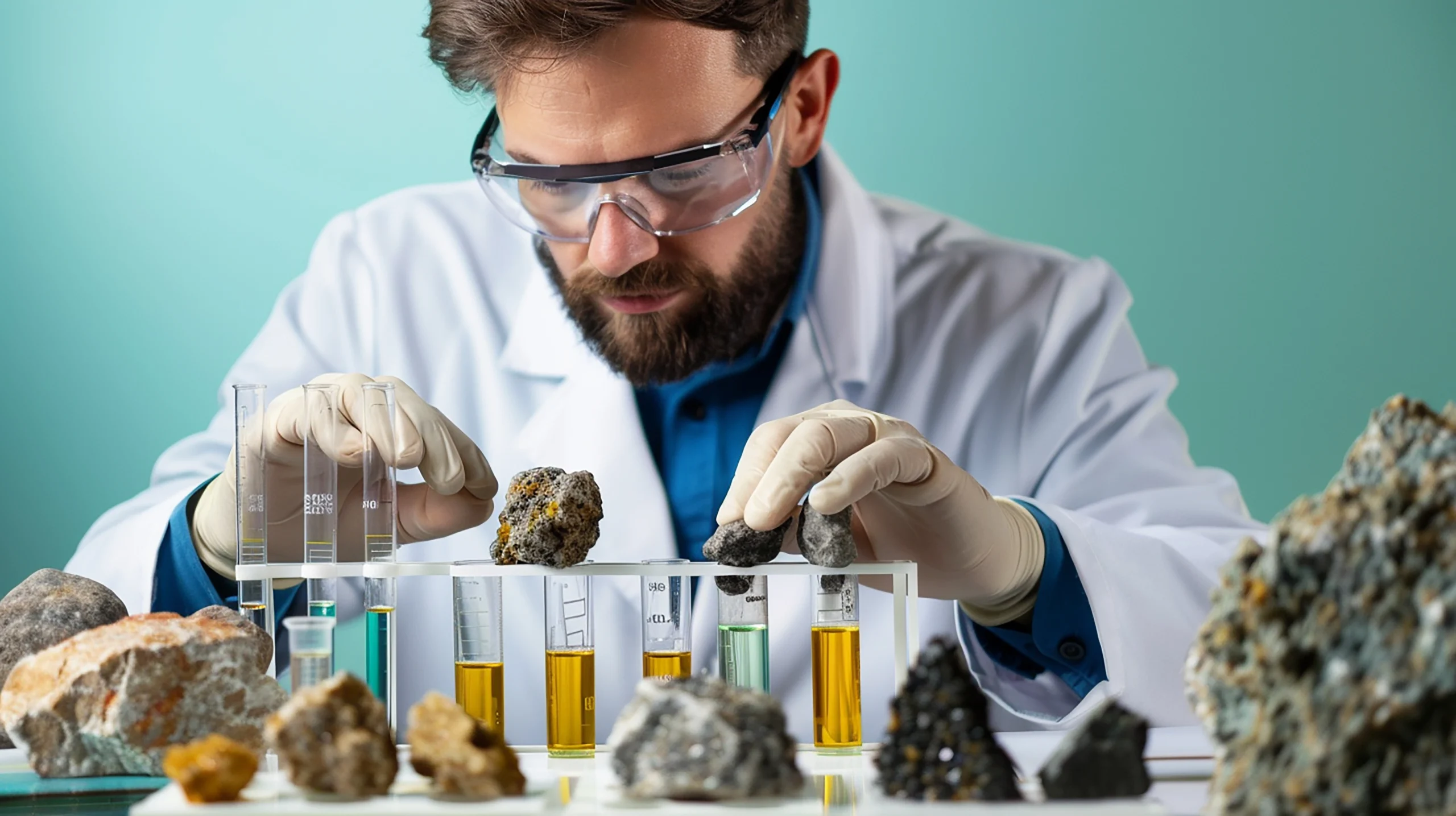
Mineral testing is the process of analysing raw materials to determine their composition, purity, and suitability for manufacturing using advanced analytical testing lab methods.
The Hidden Risk in Raw Materials
Every manufacturing process starts with raw materials — and everything downstream depends on their quality. A minor variation in mineral composition can create serious problems once it’s inside a production process. In metal manufacturing, trace impurities weaken structural integrity. In construction materials, incorrect mineral ratios affect durability and long-term performance. These aren’t purely technical issues — they translate into rejected batches, financial losses, and reputational damage that’s hard to recover from.
This is why manufacturers are turning to mineral testing labs as a frontline quality tool. A reliable material testing laboratory verifies that what’s going into your process is actually what was specified — before it’s too late.
How Mineral Testing Prevents Failures
1. Detects Impurities Before They Cause Damage
The problem with impurities is that you can’t see them. They don’t show up in a visual check or a supplier’s declaration; they show up later, in production failures and rejected batches. An analytical testing lab catches them early, before they’re inside your process and expensive to deal with.
This step in the material testing process helps:
- Prevent equipment corrosion
- Avoid chemical instability
- Ensure consistent product performance
By catching these issues early, businesses avoid costly downtime and repairs.
2. Ensures Consistency Across Batches
Consistency is everything in manufacturing. A slight variation in mineral composition can disrupt production lines or result in defective products.
Using reliable material testing services, companies can maintain uniformity across batches. This is particularly important in industries like:
- Automotive
- Construction
- Pharmaceuticals
- Electronics
A dependable quality assurance testing lab ensures that every batch meets predefined standards, reducing the risk of rejection.
3. Supports Strong Quality Assurance
Quality is not just about meeting specifications—it’s about maintaining trust. A robust quality assurance testing system backed by a certified quality assurance lab helps manufacturers deliver consistent results.
Regular testing at an accredited testing lab provides:
- Verified quality reports
- Compliance with industry standards
- Confidence for clients and stakeholders
This level of assurance is especially important when working with global clients who demand strict quality control.
4. Reduces Product Recalls and Rejections
Product recalls are one of the most expensive failures a manufacturer can face. They not only involve financial loss but also damage brand reputation.
Partnering with NABL-accredited labs in India ensures that testing meets recognised standards. These labs follow strict protocols, making their reports reliable and widely accepted.
By integrating mineral testing into your workflow, you significantly reduce the chances of:
- Defective products reaching the market
- Shipment rejections
- Compliance issues
5. Improves Process Efficiency
Manufacturing efficiency depends heavily on the quality of input materials. Poor-quality minerals can lead to:
- Increased waste
- Higher energy consumption
- Frequent machine breakdowns
A professional material testing laboratory near me can help identify these issues before they impact production. With accurate data from an analytical testing lab, manufacturers can fine-tune their processes for better efficiency.
Why NABL Accreditation Matters When Choosing a Mineral Testing Lab
When evaluating mineral testing labs or searching for a material testing laboratory near me, accreditation is the first thing to check — not the last. NABL accredited labs in India operate under ISO/IEC 17025, which means their methods are validated, their instruments are calibrated on schedule, their staff are independently assessed, and their results are traceable to national and international measurement standards. That’s not just paperwork. It’s what separates a report that gets accepted from one that gets questioned.
For manufacturers, this matters in very practical ways. Results from an accredited testing lab go through without challenge — with regulatory bodies, buyers, auditors, and trade finance institutions alike. An unaccredited lab might run the same tests, but the report it produces carries far less weight when it actually needs to count.
Real-World Impact of Skipping Mineral Testing
Consider a scenario in the cement industry. A manufacturer sources raw materials without proper testing. During production, the material fails to achieve the required strength due to incorrect mineral composition. The result? Entire batches are rejected, timelines are delayed, and costs escalate.
This situation is not uncommon. It highlights why relying on a material testing lab near me is not just a technical decision—it’s a strategic one.
Choosing the Right Testing Partner
Not all testing facilities offer the same level of reliability. When selecting a partner, businesses should look for:
- Certification and accreditation
- Advanced testing capabilities
- Industry experience
- Fast turnaround time
An accredited testing lab with modern infrastructure ensures accurate and repeatable results. Many manufacturers prefer working with established material testing labs in India because of their expertise and compliance with global standards.
Conclusion
Manufacturing failures don’t announce themselves in advance. They build quietly — through input materials that were never properly verified, batches that slipped through without a structured incoming check, and suppliers whose quality was assumed rather than confirmed. By the time the problem surfaces on the production floor, the cost of fixing it is almost always higher than the cost of preventing it would have been.
Mineral testing is that prevention. A structured material testing process — run at intake, backed by validated methods, and documented by an accredited facility — gives manufacturers the visibility they need to catch quality problems before they become production problems. It protects margins, supports supplier accountability, and builds the kind of quality documentation trail that holds up in audits, disputes, and regulatory submissions.
If you’re looking for a reliable material testing laboratory near you, Qualitek Labs is a NABL-accredited analytical testing lab offering advanced mineral testing and material testing services across India.
Frequently Asked Questions
1. What is mineral testing in manufacturing?
Mineral testing involves examining raw materials for composition and impurities to confirm they meet manufacturing standards. It plays a key role in maintaining product quality and avoiding production-related issues.
2. Why is mineral testing important for manufacturers?
For manufacturers, mineral testing is essential to detect quality issues in raw materials before production begins. This reduces risks like defects, downtime, and financial losses.
3. How do mineral testing labs ensure material quality?
By using specialised equipment and testing methods, mineral testing labs analyse materials to ensure accuracy and quality, helping businesses ensure their products meet required specifications and perform reliably.
4. What industries benefit from mineral testing services?
Sectors such as construction, metals, mining, and manufacturing benefit from mineral testing by ensuring material reliability, maintaining standards, and avoiding costly production failures.
5. What is the material testing process?
Material testing involves collecting samples, analyzing them in a lab, and generating detailed reports. This process helps businesses understand material properties and maintain consistent production quality.
6. How does mineral testing prevent product recalls?
By detecting material issues early, mineral testing helps manufacturers avoid producing faulty goods, thereby reducing the likelihood of recalls and protecting brand reputation.
7. What is the role of an analytical testing lab?
An analytical testing lab performs detailed examinations of materials to detect impurities, analyze composition, and ensure compliance with standards, helping manufacturers maintain product quality and safety.