

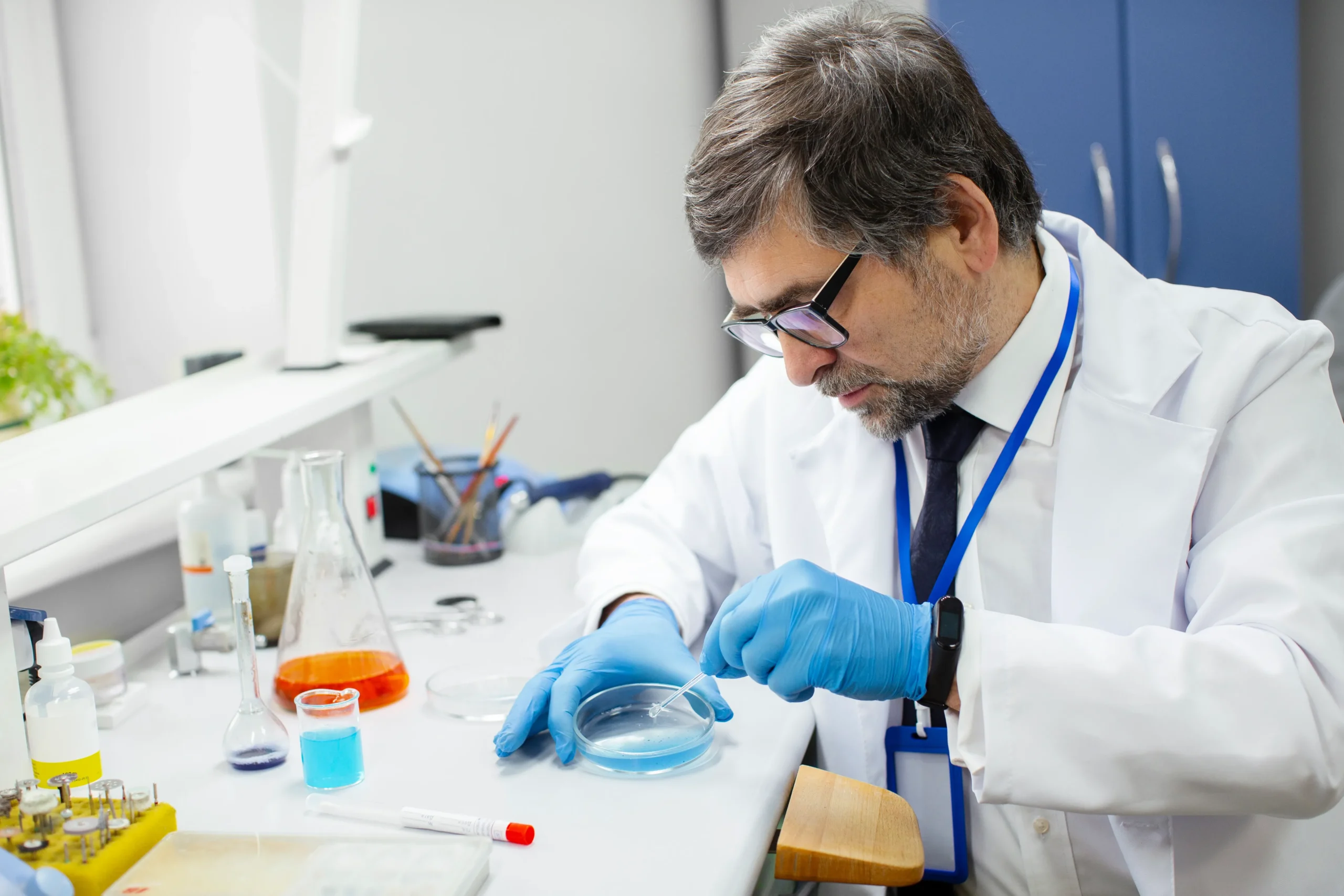
Mining success begins long before extraction. It starts in the laboratory. Mineral testing services play a critical role in determining whether an ore deposit is economically viable, environmentally compliant, and technically feasible to process. In simple terms, mineral testing services improve ore quality assessment by providing accurate data about chemical composition, physical properties, mineral structure, and metallurgical behavior—helping mining companies make informed, profitable decisions.
However, this is just the beginning. To truly understand how Mineral And Ores Testing transforms mining outcomes, we need to explore the science, the process, and the real-world value behind it.
What Are Mineral Testing Services?
Mineral testing services involve a structured series of laboratory analyses performed on mineral and ore samples. These services are carried out by a certified mineral testing laboratory or analytical testing laboratory using advanced equipment and standardized methodologies.
A comprehensive mineral testing program typically includes:
- Chemical Analysis
- Physical Testing
- Mineralogical Analysis
- Metallurgical Testing
- Quality Control & Compliance Testing
Each of these components contributes to a clearer, more accurate ore quality assessment.
Why Mineral Testing Services Are Critical for Ore Quality Assessment
Ore quality determines profitability. A slight variation in metal grade, impurity levels, or mineral composition can significantly impact processing costs and recovery rates.
Here’s how mineral testing services improve decision-making:
- Determine Accurate Grade and Composition
- Identify Impurities and Contaminants
- Optimize Processing Techniques
- Improve Recovery Rates
- Ensure Regulatory Compliance
- Reduce Financial and Operational Risks
Without reliable Mineral And Ores Testing, mining operations often rely on assumptions. And in mining, assumptions are expensive.
Chemical Analysis in Mineral Testing Services
Chemical analysis is the backbone of ore quality assessment. It determines the concentration of valuable metals and unwanted elements.
A professional analytical testing lab conducts:
- Major element analysis (Fe, Cu, Zn, Al, etc.)
- Trace element analysis
- Impurity profiling
- Moisture content determination
Example: Iron Ore Testing
In Iron Ore Testing, laboratories measure:
- Total Iron (Fe) percentage
- Silica (SiO₂)
- Alumina (Al₂O₃)
- Phosphorus (P)
- Sulfur (S)
Even a 1% increase in silica can reduce blast furnace efficiency. Accurate chemical analysis ensures steel manufacturers receive high-grade material and avoid processing issues.
A certified mineral testing lab in India uses techniques like:
- XRF (X-Ray Fluorescence)
- ICP-OES
- Wet Chemical Analysis
- Fire Assay (for precious metals)
These methods ensure high accuracy and reproducibility.
Physical Analysis and Its Role in Ore Quality
Ore quality is not only about chemical composition. Physical characteristics affect transportation, crushing, grinding, and beneficiation.
Mineral testing services include:
- Density testing
- Hardness testing
- Bulk density measurement
- Particle size distribution
- Specific gravity analysis
For example, harder ores increase energy consumption during grinding. If a mining company knows this in advance through laboratory testing, it can plan equipment and energy budgets accordingly.
Mineralogical Analysis: Understanding the Structure of Ores
Mineralogical testing identifies:
- Types of minerals present
- Crystal structure
- Liberation characteristics
- Grain size distribution
A professional mineral testing laboratory uses tools like:
- XRD (X-Ray Diffraction)
- Petrographic microscopy
- SEM-EDS analysis
Why is this important?
Because two ores with the same iron percentage may behave completely differently during processing due to mineral associations. Mineral And Ores Testing reveals these hidden differences.
Metallurgical Testing: Improving Recovery and Profitability
Metallurgical testing evaluates how an ore responds to processing methods.
Tests may include:
- Grindability index
- Flotation behavior
- Magnetic separation efficiency
- Leaching characteristics
- Recovery rate analysis
Imagine a gold mining project. Without proper metallurgical testing, recovery might be only 60%. With optimized processing based on detailed testing, recovery can improve to 85% or more.
This is where mineral testing services directly impact revenue.
The Role of Mineral Testing Laboratory in Quality Control
A certified mineral testing laboratory ensures:
- Standardized testing protocols
- Calibration of equipment
- Skilled analysts
- Accurate reporting
- Compliance with national and international standards
Especially in exports, documentation from recognized mineral testing laboratories in India is essential for trade approval.
Mineral Testing Services and Regulatory Compliance
Mining and mineral trading are heavily regulated.
A professional inspection company or analytical testing laboratory helps companies:
- Meet environmental standards
- Verify export-grade quality
- Avoid legal penalties
- Ensure contract compliance
For instance, excess sulfur content in coal or iron ore can lead to shipment rejection. Laboratory certification prevents such costly mistakes.
How Mineral Testing Services Reduce Financial Risk
Investing in mining projects involves millions, sometimes billions, of dollars.
Without accurate Mineral And Ores Testing, companies risk:
- Overestimating ore grade
- Underestimating processing costs
- Investing in non-viable deposits
- Facing shipment rejections
By working with a trusted mineral testing lab in India, mining companies gain reliable data before committing resources.
Data-driven decisions reduce uncertainty.
Mineral Testing Services in India: Growing Industry Standards
India has become a significant player in mineral exports, especially iron ore and industrial minerals. As a result, demand for professional mineral testing laboratories in India has increased.
Modern Indian analytical testing services now offer:
- ISO-certified testing procedures
- NABL-accredited laboratories
- Advanced instrumentation
- Fast turnaround times
This ensures global acceptance of reports and builds trust among international buyers.
Integration of Analytical Testing Services and Inspection Company Support
A comprehensive ore quality assessment often requires both laboratory testing and field inspection.
An experienced inspection company ensures:
- Proper sampling procedures
- On-site verification
- Third-party validation
- Transparent documentation
When combined with professional analytical testing services, this creates a complete quality assurance ecosystem.
Real-World Scenario: Improving Iron Ore Export Quality
Consider an exporter dealing with iron ore shipments.
Initially:
- Fe content estimated at 62%
- High variability in silica levels
- Buyer complaints about inconsistency
After partnering with a certified mineral testing laboratory:
- Regular sampling protocols were introduced.
- Detailed Iron Ore Testing was conducted.
- Impurity control measures were implemented.
- Blending strategies improved consistency.
Result:
- Reduced shipment rejections
- Improved buyer trust
- Increased contract value
This demonstrates how mineral testing services directly improve ore quality assessment and business outcomes.
Key Benefits of Mineral Testing Services
Here’s a summary of how Mineral And Ores Testing enhances operations:
- Accurate grade verification
- Improved metallurgical recovery
- Reduced operational uncertainty
- Regulatory compliance
- Higher export credibility
- Better production planning
- Risk mitigation
- Increased profitability
Choosing the Right Mineral Testing Laboratory
When selecting a mineral testing lab, consider:
- Accreditation and certifications
- Technical expertise
- Advanced equipment
- Turnaround time
- Reporting transparency
- Experience in Iron Ore Testing and other minerals
Not all analytical testing laboratories provide the same level of precision. Partnering with a reputed lab ensures data you can trust.
Future of Mineral Testing Services
Technology continues to transform mineral testing services:
- Automated sample preparation
- AI-driven mineral analysis
- Real-time data integration
- Portable XRF for field testing
- Advanced spectroscopy
These advancements improve accuracy, reduce turnaround time, and support sustainable mining practices.
Conclusion: Enhancing Ore Quality with the Right Partner
In today’s competitive mining industry, data is power. Mineral testing services provide the scientific foundation needed for accurate ore quality assessment, optimized processing, and sustainable profitability.
From Mineral And Ores Testing to specialized Iron Ore Testing, from chemical analysis to metallurgical studies, laboratory insights transform uncertainty into clarity.
If you are looking for a trusted and experienced partner, Qualitek Labs offers comprehensive mineral testing services backed by advanced technology, skilled analysts, and a strong commitment to quality assurance. As a professional mineral testing laboratory and analytical testing laboratory, Qualitek Labs helps mining companies, exporters, and industrial clients make confident, data-driven decisions.
Because in mining, quality isn’t guessed — it’s tested.
Frequently Asked Questions (FAQs)
1. What are mineral testing services?
Mineral testing services involve chemical, physical, mineralogical, and metallurgical analysis of mineral samples to determine their quality, composition, and processing behavior.
2. Why is Iron Ore Testing important?
Iron Ore Testing determines iron percentage and impurity levels, which directly impact steel manufacturing efficiency and export quality standards.
3. How do mineral testing laboratories ensure accuracy?
Certified mineral testing laboratories follow standardized procedures, use calibrated equipment, and maintain strict quality control protocols.
4. What is the difference between a mineral testing lab and an inspection company?
A mineral testing lab performs scientific analysis of samples, while an inspection company verifies sampling, shipment quality, and compliance on-site.
5. How often should mineral testing be conducted?
Testing frequency depends on production volume and variability, but regular batch testing ensures consistent quality and regulatory compliance.