

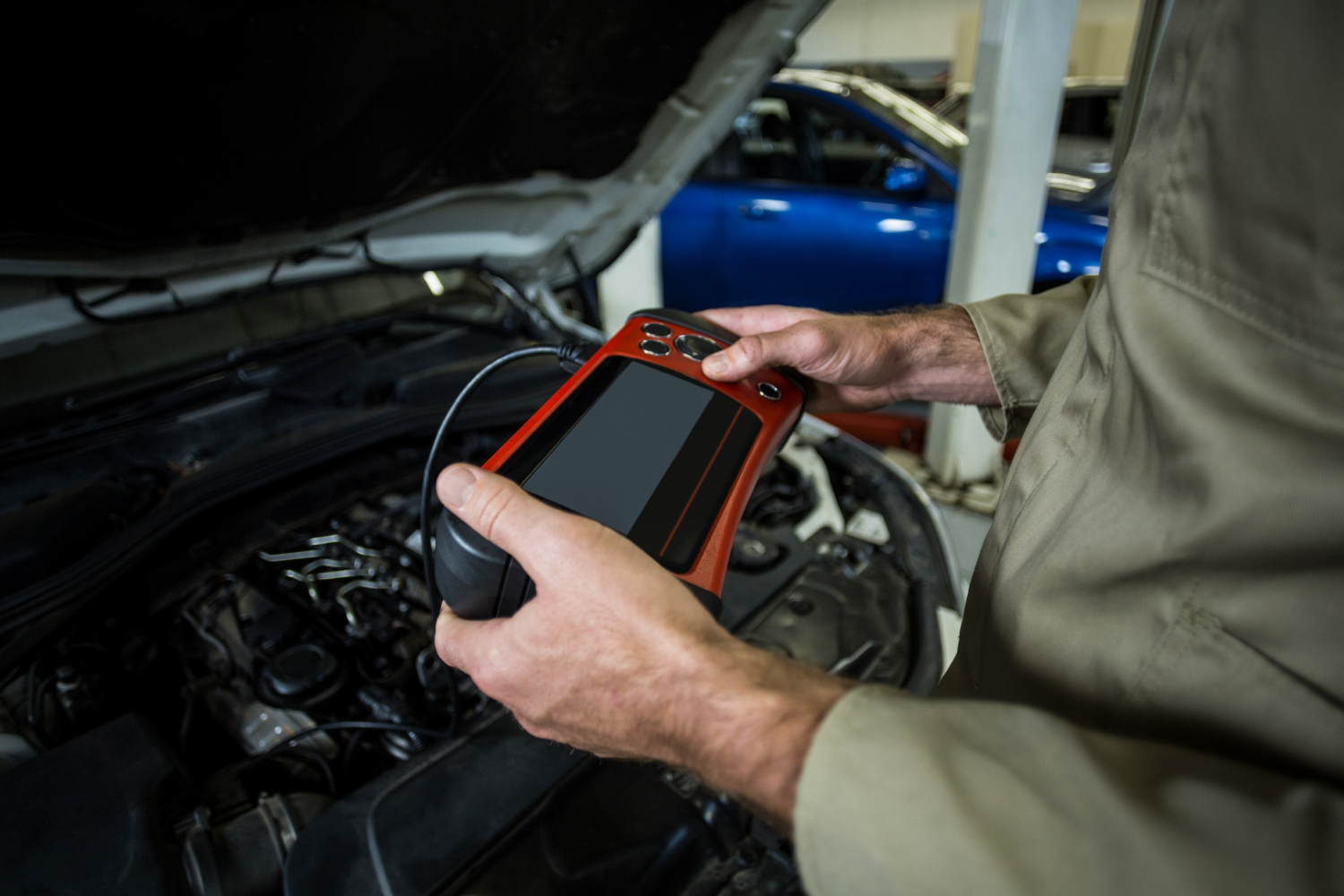
Electric vehicles (EVs) are transforming the future of mobility, with battery technology serving as the backbone of this revolution. As the demand for EVs continues to rise, manufacturers are under increasing pressure to deliver batteries that are safe, reliable, and durable. However, like any advanced technology, EV batteries are susceptible to failures that can affect performance, safety, and customer satisfaction.
This is where EV battery testing becomes indispensable. By identifying potential issues before batteries reach the market, comprehensive testing helps manufacturers improve product quality, meet regulatory requirements, and reduce the risk of costly recalls.
Why EV Battery Failures Matter
An EV battery is a sophisticated system made up of numerous cells, modules, sensors, and a battery management system (BMS). If even one component underperforms or fails, it can impact the overall battery pack.
Battery failures don’t just affect vehicle performance, they can lead to warranty claims, safety concerns, production delays, and reputational damage. Routine EV battery testing enables manufacturers to identify these issues early and ensure batteries perform reliably throughout their lifecycle.
Common EV Battery Failures
1. Thermal Runaway
Thermal runaway is one of the most critical battery safety concerns. It occurs when excessive heat generated within a battery triggers an uncontrolled chain reaction, causing temperatures to rise rapidly.
Factors such as manufacturing defects, internal short circuits, overcharging, or physical damage can contribute to this condition.
Comprehensive EV battery testing evaluates a battery’s response to extreme temperatures and abnormal operating conditions, helping manufacturers improve thermal stability before commercial deployment.
2. Cell Imbalance
An EV battery pack contains hundreds or even thousands of cells working together. If some cells charge or discharge differently from others, the battery experiences cell imbalance.
This imbalance reduces energy efficiency, shortens battery life, and affects vehicle range.
During EV battery testing, engineers evaluate cell consistency, balancing performance, and charging behaviour to ensure uniform operation across the battery pack.
3. Capacity Degradation
Over time, every lithium-ion battery gradually loses its ability to store energy. However, premature capacity degradation can significantly reduce driving range and customer satisfaction.
Factors such as repeated fast charging, high operating temperatures, and poor battery design can accelerate degradation.
Cycle life testing and performance evaluation help manufacturers understand how batteries age under different operating conditions and identify opportunities for improvement.
4. Internal Short Circuits
Internal short circuits may develop due to manufacturing defects, contamination, mechanical damage, or separator failure. These faults can lead to overheating and, in severe cases, battery failure.
Advanced EV battery testing helps identify vulnerabilities through electrical safety tests and abuse simulations before batteries are integrated into vehicles.
5. Mechanical Damage
EV batteries are exposed to vibration, shocks, impacts, and road conditions throughout their service life.
Without adequate durability, battery components may loosen, crack, or become damaged, affecting both safety and performance.
Mechanical testing evaluates how batteries perform under real-world conditions, ensuring they can withstand transportation, installation, and everyday vehicle use.
6. Moisture and Environmental Damage
Electric vehicles operate in diverse climates, from scorching summers to heavy rainfall and freezing temperatures.
Exposure to moisture, humidity, dust, or extreme temperatures can affect battery reliability if protective systems are inadequate.
Environmental EV battery testing simulates these conditions to verify battery durability and long-term performance.
How EV Battery Testing Prevents Failures
Rather than waiting for failures to occur in the field, manufacturers rely on EV battery testing to detect weaknesses during development and production.
A comprehensive testing program may include:
- Performance testing
- Cycle life testing
- Thermal testing
- Electrical safety testing
- Vibration and mechanical shock testing
- Environmental testing
- Abuse testing
- Battery Management System (BMS) validation
Each test provides valuable insights into battery behaviour, allowing manufacturers to improve designs, optimize materials, and enhance safety.
Benefits of Routine EV Battery Testing
Investing in routine EV battery testing offers long-term advantages beyond regulatory compliance.
Manufacturers can:
- Improve battery safety and reliability.
- Detect defects before commercial launch.
- Reduce warranty claims and product recalls.
- Enhance battery performance and lifespan.
- Meet national and international testing standards.
- Strengthen customer confidence.
- Accelerate product development.
As EV technology continues to evolve, testing is becoming an integral part of innovation rather than simply a compliance requirement.
The Role of Testing in the Future of Electric Mobility
The EV industry is advancing rapidly, with manufacturers developing batteries that offer longer driving ranges, faster charging, and improved energy density.
However, greater performance must always be matched with greater safety.
Comprehensive EV battery testing helps manufacturers validate new technologies, reduce development risks, and ensure batteries perform consistently under real-world conditions. As regulations become more stringent and consumer expectations continue to rise, scientific testing will remain a cornerstone of battery quality assurance.
Conclusion
EV batteries are expected to deliver exceptional performance while maintaining the highest standards of safety and reliability. Identifying common battery failures before products reach the market is essential for protecting consumers, reducing business risks, and maintaining brand reputation.
This is why EV battery testing is a critical investment for every EV manufacturer, battery supplier, and OEM.
At Qualitek Labs, we provide comprehensive EV battery testing solutions to help manufacturers evaluate battery safety, performance, durability, and compliance with industry standards. Our advanced testing capabilities support product development, quality assurance, and regulatory compliance, enabling businesses to bring reliable and high-performing battery systems to market with confidence.
Whether you’re developing next-generation battery technology or validating existing products, Qualitek Labs is your trusted partner for accurate, reliable, and comprehensive EV battery testing.
Frequently Asked Questions
1. What are the most common EV battery failures?
Common EV battery failures include thermal runaway, cell imbalance, capacity degradation, internal short circuits, mechanical damage, and environmental degradation.
2. Why is EV battery testing important?
EV battery testing helps identify safety risks, validate battery performance, improve durability, and ensure compliance with industry standards before batteries reach the market.
3. What tests are performed during EV battery testing?
EV battery testing may include thermal testing, cycle life testing, vibration testing, environmental testing, electrical safety testing, abuse testing, and Battery Management System (BMS) validation.
4. How does EV battery testing improve battery life?
By identifying design weaknesses and performance issues early, EV battery testing helps manufacturers optimize battery durability and extend operational life.
5. Who should conduct EV battery testing?
EV manufacturers, battery cell manufacturers, OEMs, battery pack suppliers, and automotive companies should conduct comprehensive EV battery testing to ensure product safety and quality.
6. Why choose Qualitek Labs for EV battery testing?
Qualitek Labs offers advanced EV battery testing services to evaluate battery safety, performance, durability, and compliance, helping manufacturers deliver reliable and high-quality battery systems.