

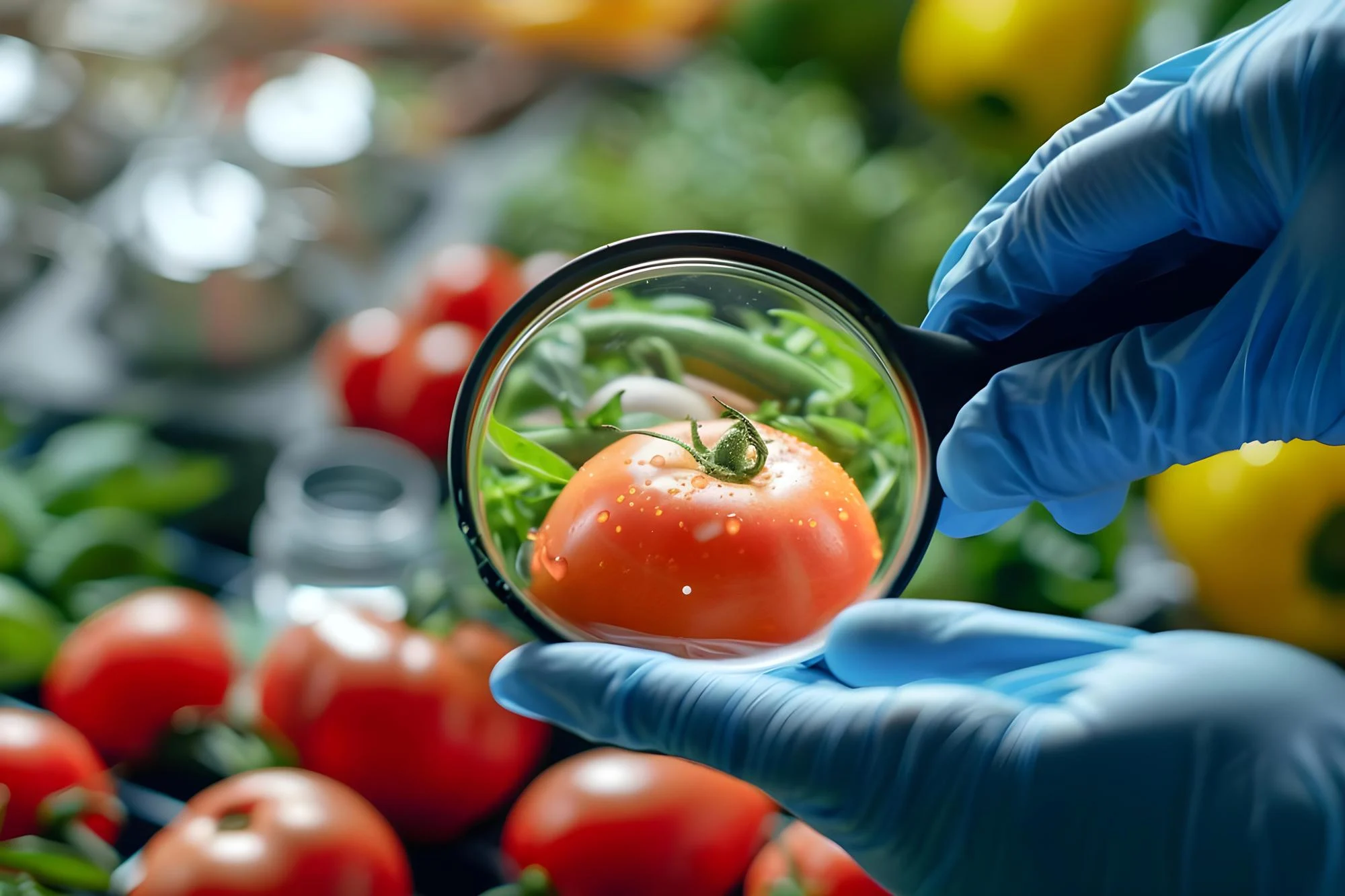
Food safety is built on thousands of small practices that collectively protect consumers. While ingredients, packaging, and storage often receive significant attention, the condition of food contact equipment is just as critical. Recognizing this, the Food Safety and Standards Authority of India (FSSAI) recently issued a nationwide advisory directing Food Business Operators (FBOs) to eliminate rusted, corroded, and damaged knives and cutting tools from food processing and preparation areas.
The advisory reinforces an important message—maintaining hygienic equipment is not only a regulatory expectation but also a key component of effective food safety testing and quality management.
Understanding the FSSAI Advisory
Knives, slicers, peelers, scissors, and other cutting tools are used extensively across food manufacturing units, commercial kitchens, restaurants, processing facilities, and catering establishments. Over time, these tools may become rusted, chipped, corroded, or damaged due to continuous use or poor maintenance.
Such equipment can become a source of contamination, affecting both product quality and consumer safety.
Through its latest advisory, FSSAI has urged food businesses to:
- Replace rusted, corroded, and damaged cutting tools.
- Conduct regular inspections of food contact equipment.
- Strengthen preventive maintenance programs.
- Promote hygienic food handling practices.
- Improve compliance with food safety regulations.
These measures complement existing Good Manufacturing Practices (GMP) and Good Hygiene Practices (GHP) required under India’s food safety regulations.
Why Damaged Cutting Tools Are a Food Safety Risk
Food contact surfaces directly influence product safety. A damaged knife or cutting tool can create multiple food safety challenges.
Physical Contamination
Broken blades or chipped metal fragments may accidentally enter food products, increasing the risk of physical contamination.
Microbial Growth
Rust, cracks, and corroded surfaces are difficult to clean effectively. These imperfections can trap food particles and moisture, creating conditions that support microbial growth.
Cross-Contamination
Using damaged tools across different food products without proper sanitation increases the possibility of cross-contamination, particularly in facilities handling raw and ready-to-eat foods.
Replacing worn-out equipment is therefore an essential preventive measure within every food safety management system.
The Link Between Equipment Hygiene and Food Safety Testing
Maintaining hygienic equipment is only one aspect of food safety. Regular food safety testing provides scientific evidence that products meet quality and regulatory requirements.
A comprehensive food safety testing program helps businesses identify potential contamination before products reach consumers.
Depending on the product category, laboratory analysis may include:
- Microbiological testing
- Chemical analysis
- Heavy metal testing
- Pesticide residue analysis
- Mycotoxin testing
- Food adulteration analysis
- Shelf-life studies
Together, equipment maintenance and laboratory testing create a robust food safety framework.
How Food Businesses Can Strengthen Compliance
The latest FSSAI advisory presents an opportunity for food businesses to review their existing quality systems.
Practical steps include:
- Conduct routine inspections of all cutting tools and food contact equipment.
- Replace rusted, chipped, or damaged utensils immediately.
- Implement preventive maintenance schedules.
- Train employees on hygienic handling practices.
- Maintain cleaning and sanitation records.
- Integrate routine food safety testing into quality assurance programs.
These measures help reduce operational risks while supporting regulatory compliance.
Benefits of Regular Food Safety Testing
Many food businesses view food safety testing as a compliance requirement. In reality, it delivers much broader value.
Regular testing helps businesses:
- Verify product quality before market release.
- Identify contamination risks early.
- Support compliance with FSSAI requirements.
- Strengthen HACCP and quality management systems.
- Improve customer confidence.
- Protect brand reputation.
- Reduce recalls and product complaints.
As regulatory expectations continue to evolve, proactive testing has become an essential investment rather than an optional activity.
Choosing the Right Food Testing Laboratory
Reliable analytical results depend on selecting an experienced and competent laboratory.
When choosing a laboratory for food safety testing, businesses should look for:
- Advanced analytical capabilities
- Qualified technical professionals
- Comprehensive food testing services
- Timely and accurate reporting
- Strong quality assurance practices
Working with an experienced laboratory enables businesses to make informed quality decisions backed by scientific evidence.
Conclusion
FSSAI’s latest advisory on eliminating rusted, corroded, and damaged cutting tools serves as an important reminder that food safety begins with preventive practices. Clean equipment, proper hygiene, employee awareness, and regular food safety testing together create a stronger food safety culture.
At Qualitek Labs, we help food manufacturers, processors, exporters, importers, retailers, and hospitality businesses maintain high standards of quality and compliance through comprehensive food safety testing services. From microbiological analysis and chemical testing to pesticide residue, heavy metal, and contaminant analysis, our testing solutions are designed to support regulatory compliance and protect consumer trust.
As food safety standards continue to evolve, partnering with a reliable laboratory can help your business stay compliant, reduce risks, and deliver safe, high-quality products with confidence.
Frequently Asked Questions
1. What is FSSAI’s latest advisory on cutting tools?
FSSAI has advised food businesses to eliminate rusted, corroded, and damaged knives and cutting tools to improve food hygiene, reduce contamination risks, and strengthen food safety practices.
2. Why are rusted knives a food safety concern?
Rusted or damaged knives can harbor microorganisms, cause physical contamination, and increase the risk of cross-contamination during food preparation and processing.
3. How does food safety testing support FSSAI compliance?
Food safety testing helps verify product quality, identify contaminants, and demonstrate compliance with FSSAI regulations through scientifically validated laboratory analysis.
4. Who should conduct food safety testing?
Food manufacturers, processors, exporters, importers, restaurants, caterers, retailers, and other Food Business Operators should conduct routine food safety testing to maintain quality and compliance.
5. What parameters are covered under food safety testing?
Food safety testing may include microbiological analysis, chemical testing, pesticide residues, heavy metals, mycotoxins, food adulteration, and shelf-life evaluation.
6. Why choose Qualitek Labs for food safety testing?
Qualitek Labs provides comprehensive food safety testing services using advanced analytical methods to help businesses meet regulatory requirements and ensure product quality.