

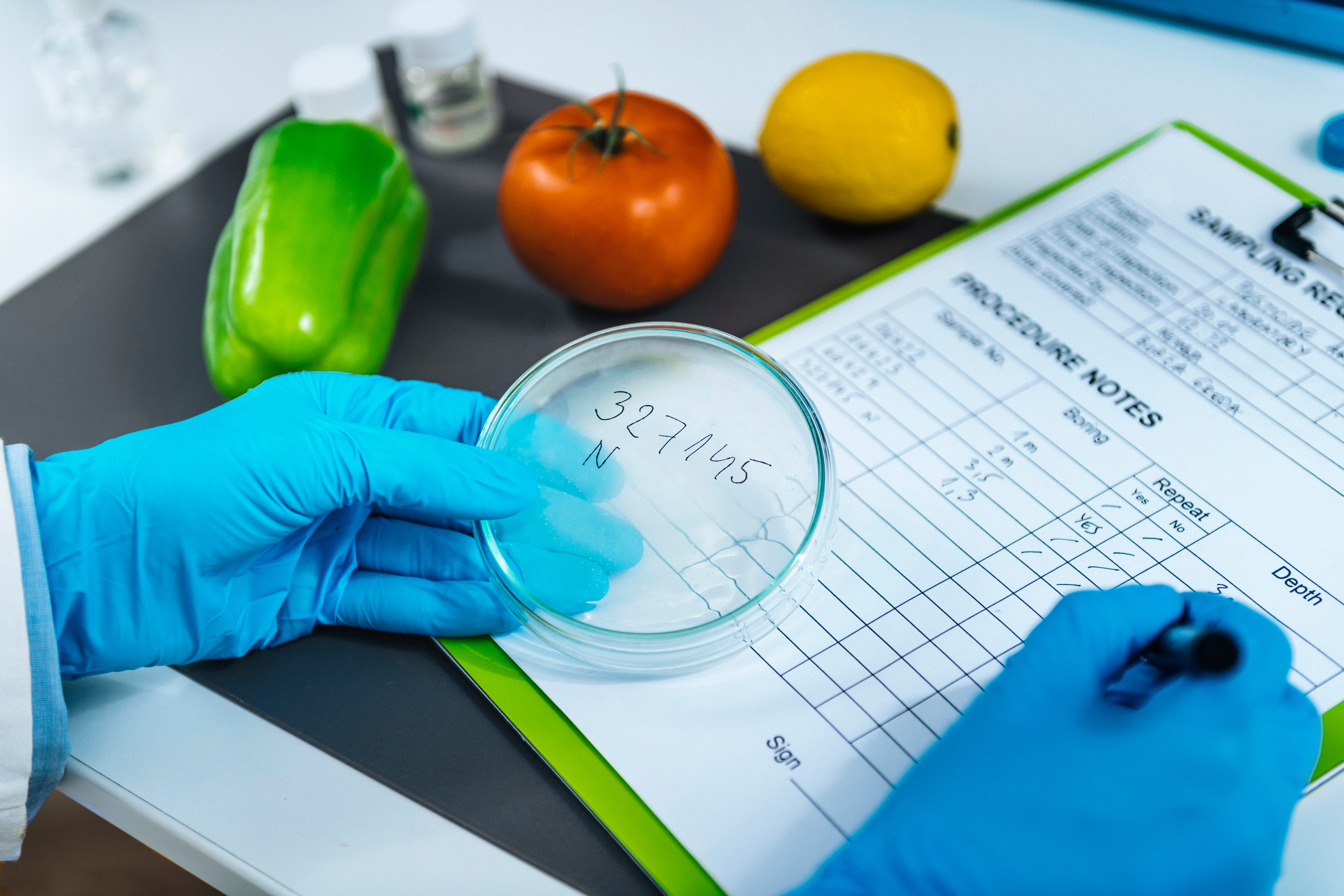
Foodborne illnesses affect millions of people every year, and most of these cases are preventable with proper safety controls. One of the most effective ways to reduce these risks is through a reliable food testing lab that identifies contamination, verifies quality, and ensures regulatory compliance before products reach consumers. From detecting harmful bacteria to validating ingredient authenticity, food testing plays a crucial role in protecting public health and maintaining trust in food brands.
In this blog, we’ll explore how food testing prevents foodborne illnesses, the role of modern food testing services, and why choosing a trusted food testing laboratory is essential for every food business.
Understanding Foodborne Illness and Its Impact
Foodborne illness occurs when contaminated food or beverages are consumed. According to global health authorities, unsafe food causes hundreds of millions of illnesses annually, leading to hospitalizations, long-term health complications, and even fatalities.
Common Causes of Foodborne Illness
- Microbial contamination (Salmonella, E. coli, Listeria)
- Chemical hazards (pesticides, heavy metals)
- Physical contaminants (foreign particles)
- Improper handling, storage, or processing
Even a single incident can damage a brand’s reputation permanently. This is where a professional food testing lab in India becomes a frontline defense against outbreaks.
Why Food Testing Labs Are Essential for Food Safety
A certified food testing lab ensures that food products meet safety, quality, and regulatory standards at every stage of the supply chain.
Key Functions of a Food Testing Lab
- Identifying biological, chemical, and physical hazards
- Ensuring compliance with FSSAI and global standards
- Supporting safe product formulation
- Preventing contamination before market release
By partnering with an analytical testing laboratory, food businesses can proactively detect risks rather than reacting to crises.
Role of Food Testing Services in Preventing Contamination
Professional food testing services use advanced scientific techniques to identify contamination that is invisible to the naked eye.
Microbiological Testing
Foodborne pathogens are among the biggest threats to public health. A food analysis laboratory conducts microbiological testing to detect:
- Salmonella
- Listeria monocytogenes
- E. coli
- Yeast and mold
Early detection through lab testing for food products prevents contaminated batches from reaching consumers.
Chemical and Residue Testing
Chemical contamination can occur due to agricultural practices or processing errors. An analytical testing lab checks for:
- Pesticide residues
- Heavy metals (lead, mercury, arsenic)
- Veterinary drug residues
These tests ensure that food products remain within safe consumption limits.
Food Testing Laboratory and Regulatory Compliance
In India, food safety is governed by FSSAI regulations. Non-compliance can lead to severe penalties, recalls, or license cancellation.
A FSSAI approved food testing lab near me helps businesses:
- Meet mandatory safety requirements
- Obtain licensing and renewals
- Prepare for audits and inspections
Globally, NABL accredited food testing labs ensure that test results are recognized internationally, especially for exports.
Importance of Food Analysis Laboratory in Quality Assurance
Safety alone is not enough—quality consistency also prevents foodborne illness indirectly.
A food analysis laboratory evaluates:
- Nutritional composition
- Moisture and fat content
- Shelf-life stability
- pH and water activity
By maintaining consistent quality, brands reduce spoilage risks and microbial growth, enhancing consumer safety.
Preventing Food Fraud Through Analytical Testing Services
Food fraud is a growing concern worldwide. Adulteration and substitution can introduce harmful substances into food products.
An advanced analytical testing laboratory uses:
- Chromatography
- Spectroscopy
- DNA-based analysis
These analytical testing services detect adulterants and confirm ingredient authenticity, protecting consumers and ethical brands alike.
Role of Inspection Companies and Third-Party Testing
An independent inspection company or third-party food testing laboratory adds credibility and objectivity to safety claims.
Benefits of Third-Party Testing
- Unbiased results
- Enhanced trust with regulators
- Stronger brand credibility
- Reduced legal risks
Retailers and export markets increasingly demand third-party verification from recognized labs.
Food Testing Lab in India: Supporting the Entire Food Lifecycle
A reliable food testing lab in India supports businesses across all stages:
1. Product Development
- Ingredient validation
- Nutritional profiling
- Shelf-life studies
2. Manufacturing
- Batch-wise testing
- Hygiene monitoring
- Process validation
3. Market Release
- Label verification
- Compliance certification
- Consumer safety assurance
This holistic approach significantly lowers the risk of foodborne illness outbreaks.
Real-World Example: The Cost of Skipping Food Testing
Several global food brands have faced massive recalls due to delayed or inadequate testing. In contrast, companies that invested in routine lab testing for food products detected contamination early and avoided public health crises.
This highlights how food testing is not an expense—it’s an investment in safety and trust.
Why NABL Accredited Food Testing Labs Matter
Choosing NABL accredited food testing labs ensures:
- Technically competent testing
- Globally accepted reports
- Adherence to ISO standards
- Reliable and reproducible results
Accreditation strengthens the credibility of test outcomes and supports export readiness.
Technology and Traceability in Modern Food Testing Laboratories
Modern analytical testing labs use digital tools like LIMS (Laboratory Information Management Systems) to ensure traceability and transparency.
Benefits include:
- Real-time tracking of samples
- Error-free documentation
- Faster turnaround times
- Data-driven decision-making
This technological advancement enhances accountability and consumer confidence.
How Food Testing Builds Consumer Trust
Consumers may never visit a food testing lab, but they experience its impact daily:
- Fewer food safety incidents
- Consistent product quality
- Honest labeling
- Transparent practices
Trust is built quietly—through every safe product delivered.
Challenges Without Proper Food Testing
Without professional food testing services, businesses risk:
- Foodborne illness outbreaks
- Regulatory penalties
- Brand damage
- Legal liabilities
- Loss of consumer trust
These risks far outweigh the cost of routine testing.
Choosing the Right Food Testing Laboratory
Not all labs offer the same level of reliability. An ideal food testing laboratory should provide:
- FSSAI and NABL recognition
- Advanced analytical infrastructure
- Skilled food technologists
- Transparent reporting
- Fast and reliable turnaround times
Conclusion: Why Choose Qualitek Labs for Food Testing?
Preventing foodborne illness requires more than good intentions—it demands science-backed testing, compliance, and expertise. A trusted food testing lab acts as a safety net, protecting consumers and strengthening brand credibility.
Qualitek Labs stands out as one of the most reliable food testing laboratories in India, with 6+ years of testing excellence and a team of highly experienced professionals. Backed by regulatory recognitions, advanced infrastructure, and expert food technologists, Qualitek Labs delivers end-to-end food testing services—from product development to market release.
Powered by eLABSS LIMS, Qualitek Labs ensures automated workflows, complete traceability, and scientifically validated results delivered within committed TATs. With stringent QA/QC protocols and a reputation as a trusted analytical testing laboratory and inspection company, Qualitek Labs empowers food businesses with insights they can trust.
If your goal is to protect public health, ensure compliance, and build long-term brand trust, Qualitek Labs is the food testing partner you can rely on.
FAQs: Food Testing and Foodborne Illness
1. How does a food testing lab help prevent foodborne illness?
A food testing lab identifies microbial, chemical, and physical hazards early, preventing contaminated food from reaching consumers.
2. Is it mandatory to use an FSSAI approved food testing lab near me?
Yes, FSSAI mandates testing from approved labs to ensure compliance and consumer safety.
3. Why are NABL accredited food testing labs important?
NABL accreditation ensures reliable, accurate, and globally accepted test results.
4. How often should lab testing for food products be done?
Testing frequency depends on product type and risk level, but regular testing is essential for safety and compliance.
5. Can analytical testing services help with exports?
Absolutely. Analytical testing services support international compliance and reduce shipment rejections.