

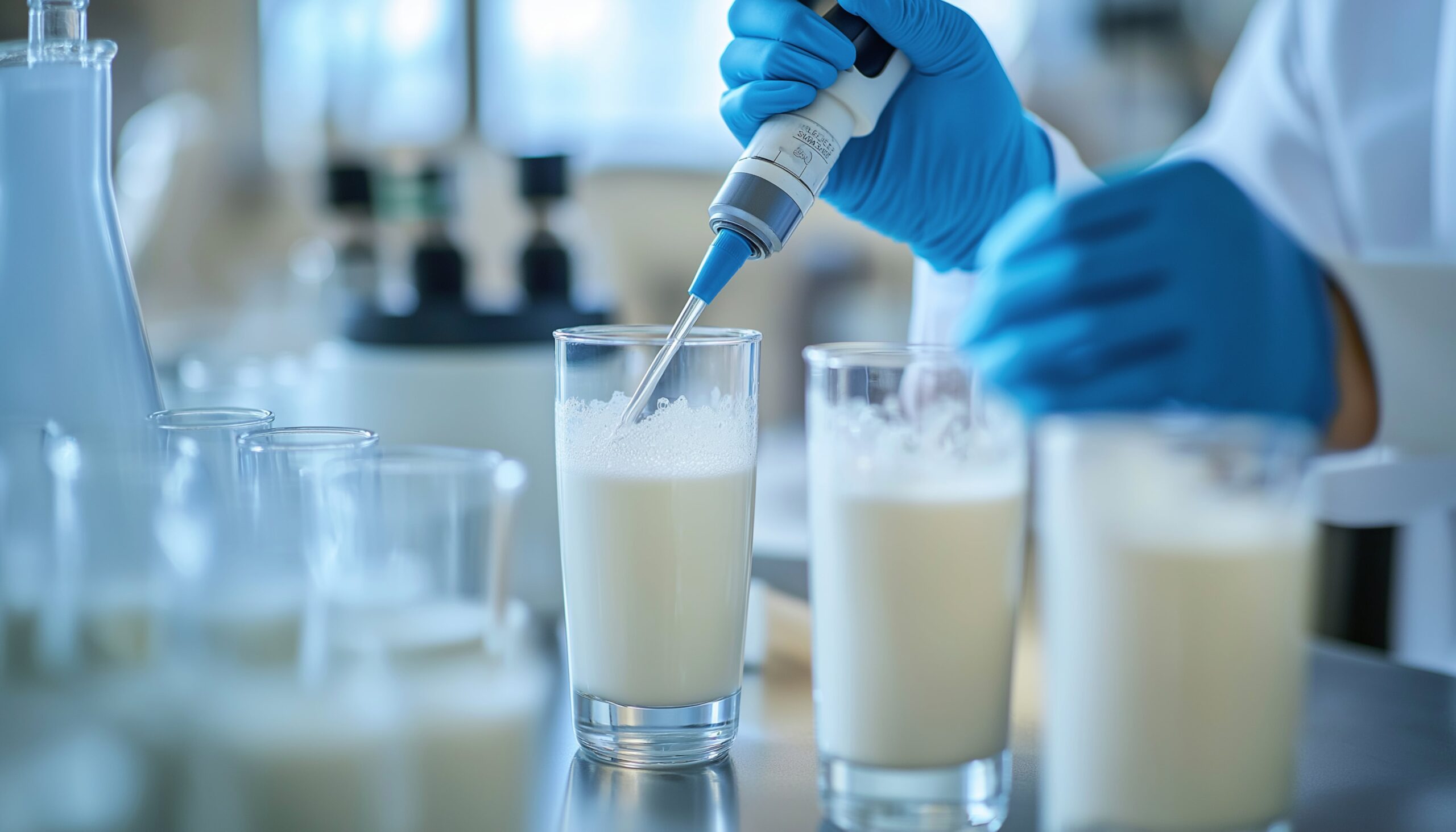
In today’s world, food allergies are a growing concern, with millions of people affected globally. Among the most common food allergens are milk proteins, which can cause severe reactions in individuals with dairy sensitivities. Whether it’s a mild intolerance or a life-threatening allergy, the need for food testing services to detect milk allergens has never been more critical. Allergen testing, particularly for milk, plays a crucial role in safeguarding consumers and ensuring food safety standards.
In this blog, we’ll dive into why milk allergen testing is essential, how advanced laboratories in India are making a difference, and how food testing laboratories help protect consumers by ensuring safe and compliant food products.
What is Milk Allergen Testing?
Milk allergen testing refers to the process of identifying and measuring the presence of milk proteins in food products. For individuals with dairy allergies or lactose intolerance, consuming even trace amounts of milk can lead to unpleasant or even severe reactions. Therefore, detecting these allergens is a vital step in preventing accidental exposure.
Food testing laboratories use various methods to detect milk proteins, including enzyme-linked immunosorbent assay (ELISA) and polymerase chain reaction (PCR)-based testing. These advanced techniques provide highly accurate results, ensuring that food products are safe for people with dairy sensitivities.
Why Is Milk Allergen Testing Crucial?
Milk allergy is one of the most common food allergies, especially in children, and can cause symptoms ranging from mild rashes to more serious conditions like anaphylaxis. For individuals with milk allergies, even tiny amounts of milk proteins in food products can trigger a reaction.
Without proper allergen testing, food manufacturers run the risk of inadvertently including milk in products that claim to be milk-free or dairy-free, which can lead to dangerous consequences for allergic individuals. For this reason, food testing services are essential for ensuring that food products meet the safety standards required by both consumers and regulatory bodies.
How Food Testing Services Ensure Safety for Dairy Consumers
Food testing laboratories play a vital role in ensuring that milk allergens are properly detected in food products. By using advanced allergen testing methods like ELISA and PCR, these laboratories can accurately determine the presence of milk proteins, even in trace amounts.
Advanced laboratories in India are equipped with cutting-edge technologies to perform these tests with precision. This makes it possible for food manufacturers to provide safe, allergen-free products to the market. For consumers with dairy sensitivities, knowing that a product has been tested in an analytical testing laboratory gives them peace of mind that the food is safe to consume.
Allergen Testing for Milk in the Food Industry
In the food industry, allergen testing is a key part of quality control. Manufacturers must adhere to strict guidelines and regulations to ensure that their products are free from allergens that could harm consumers. This is where analytical testing services come into play.
When it comes to milk, contamination can occur at various stages of food processing, from handling raw materials to manufacturing and packaging. Regular testing is necessary to prevent cross-contamination and ensure that milk does not end up in foods that are labeled as dairy-free.
Furthermore, food testing services help businesses meet FSSAI (Food Safety and Standards Authority of India) compliance, ensuring that the products they market are safe for consumers and free from harmful allergens.
How Does Milk Allergy Testing Work in a Food Testing Laboratory?
The process of lab testing for food products for milk allergens involves several steps:
-
Sample Collection: Food samples are collected from the product batch.
-
Testing Method: The sample is subjected to ELISA or PCR testing, which is designed to identify milk proteins in the sample. These methods are highly sensitive and can detect even trace amounts of milk allergens.
-
Analysis: The testing laboratory analyzes the results and generates a report detailing the presence and concentration of milk proteins.
-
Report Delivery: Results are provided to the manufacturer or food producer, who can take corrective actions if necessary.
These methods are not only accurate but also efficient, helping manufacturers to meet safety standards and consumers to make informed choices about the food they consume.
Benefits of Choosing a Reliable Food Testing Laboratory for Milk Allergens
When it comes to milk allergen testing, choosing the right laboratory is crucial for obtaining accurate and reliable results. Here are some key factors to consider:
-
FSSAI Approved: Look for FSSAI approved food testing labs near me that comply with national food safety regulations. This ensures that the testing methods used are recognized and trusted by regulatory authorities.
-
Advanced Technology: Opt for a laboratory with state-of-the-art equipment, such as ELISA and PCR-based testing, to ensure accurate results.
-
Experienced Professionals: Experienced food technologists and analysts can interpret test results with precision and help businesses stay compliant with food safety standards.
-
Quick Turnaround Time (TAT): A reputable laboratory will provide results within a reasonable timeframe, allowing manufacturers to make quick decisions.
Real-World Examples of Milk Allergy Testing Impact
In one case, a well-known snack manufacturer was unknowingly using a dairy-based ingredient in their vegan product line, which led to a recall after consumers reported allergic reactions. The issue was traced back to inadequate testing for milk allergens, highlighting the importance of thorough allergen testing. By partnering with a reliable consumer food testing lab, the company was able to regain consumer trust by ensuring that all future products were properly tested for allergens.
Why Choose Qualitek Labs for Food Testing Services?
With over six years of experience, Qualitek Labs stands out as one of the most trusted food testing laboratories in India. As a FSSAI approved food testing laboratory, we offer a comprehensive range of allergen testing services, including tests for milk and other common allergens. Our team of expert food technologists and state-of-the-art equipment ensures that your products meet the highest standards of safety and compliance.
At Qualitek Labs, we use advanced technologies like ELISA and PCR to provide accurate and reliable results. Our analytical testing laboratory is equipped to handle a wide range of food testing needs, from allergen detection to nutritional analysis. We are committed to delivering results within the specified TAT, so you can make informed decisions quickly.
Conclusion
Milk allergen testing is crucial for protecting individuals with dairy sensitivities and ensuring food safety in today’s diverse food market. By choosing food testing services from trusted laboratories like Qualitek Labs, businesses can ensure that their products meet compliance and safety standards, while consumers can enjoy food products with confidence. With advancements in testing technologies and a growing awareness of food allergies, allergen testing for milk is becoming an essential part of the food production process.
FAQs
-
What is milk allergen testing, and why is it necessary?
Milk allergen testing detects the presence of milk proteins in food products to ensure safety for individuals with dairy allergies or sensitivities. -
How do food testing services detect milk allergens?
Food testing services use advanced methods like ELISA and PCR to accurately identify milk proteins, even in trace amounts. -
What should I look for when choosing a food testing laboratory for milk allergens?
Look for FSSAI approved labs, advanced testing methods like ELISA or PCR, and a track record of accurate and reliable results. -
How does Qualitek Labs ensure accurate and reliable food testing?
Qualitek Labs uses state-of-the-art technologies, expert food technologists, and follows stringent QA/QC protocols to provide scientifically validated results. -
How does milk allergen testing benefit consumers with dairy sensitivities?
It ensures that food products are free from harmful milk proteins, allowing individuals with dairy sensitivities to make safe choices.