

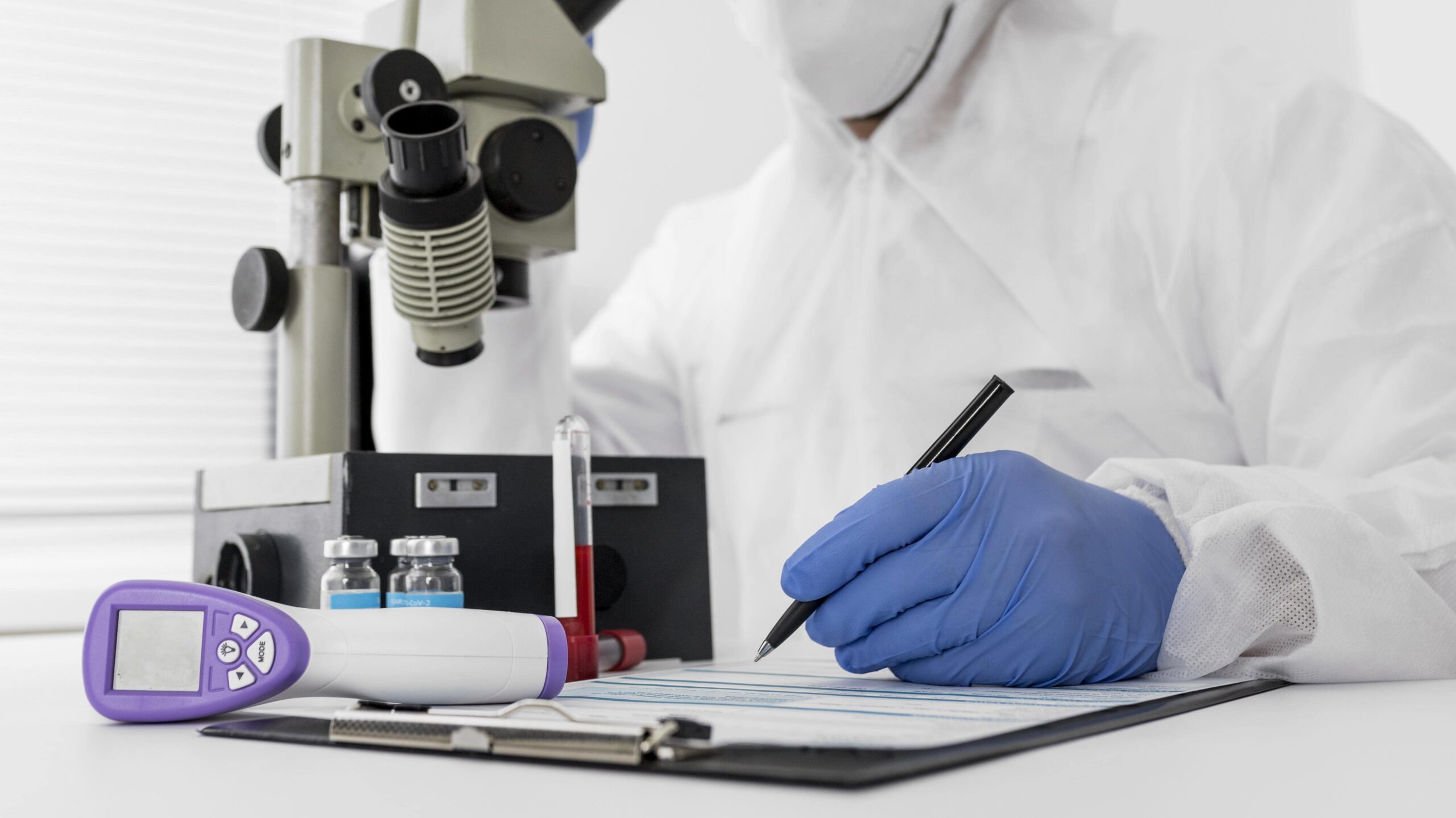
Medical device testing is a crucial part of ensuring that medical equipment is safe, effective, and compliant with global standards. However, the process can be complex and fraught with challenges. From navigating strict regulations to performing rigorous physical and electrical tests, manufacturers often face roadblocks that can delay product releases or lead to costly errors. In this blog, we’ll explore the top 5 challenges in medical device testing and discuss how you can overcome them, with insights into medical product testing and medical equipment testing services.
Complex Regulatory Requirements
One of the most significant challenges in medical device testing is understanding and meeting the stringent regulatory requirements. Different countries have varying standards, and failing to comply can result in significant delays or even the rejection of your product in the market.
For instance, the Medical Device Rules 2017 in India and the FDA regulations in the U.S. outline a vast array of requirements for medical devices, covering everything from general safety to electrical and mechanical performance. These regulations are updated regularly, which means manufacturers need to stay on top of evolving guidelines.
Solution:
To navigate these complexities, it’s vital to partner with a medical equipment testing lab that has expertise in the required regulatory standards. For example, Qualitek Labs, with its extensive knowledge of BIS standards and medical device classifications, can help you ensure compliance with local and international standards. By conducting detailed testing aligned with regulatory guidelines, you can streamline the approval process and avoid costly delays.
Ensuring Electrical and Mechanical Safety
Electrical and mechanical safety testing is a critical component of medical equipment testing services. Malfunctioning electrical components in medical devices can not only harm patients but also lead to product recalls and significant reputational damage. These tests often require the use of advanced machinery and testing environments to simulate real-world usage.
Solution:
Proper testing requires collaboration with analytical testing laboratories that specialize in electrical safety and mechanical performance. Testing for safety under extreme conditions, such as high voltage or electromagnetic interference (EMI), helps ensure that devices operate correctly and safely. Partnering with a well-established inspection company ensures that your devices undergo thorough safety evaluations, minimizing the risk of failure.
Managing Electromagnetic Interference (EMI) and Electromagnetic Compatibility (EMC)
Medical devices are frequently used in environments with other electronic equipment, and the risk of electromagnetic interference (EMI) is high. EMI can disrupt the normal functioning of a medical device, causing malfunctions that may jeopardize patient safety.
Electromagnetic Compatibility (EMC) testing ensures that medical devices can work together without interference. These tests are vital for devices such as pacemakers, defibrillators, and diagnostic equipment that rely on uninterrupted electrical signals.
Solution:
To overcome these challenges, manufacturers must conduct thorough EMI and EMC compliance testing in a certified analytical testing lab. These labs use specialized equipment to simulate various electromagnetic environments and assess how your device performs under different conditions. Qualitek Labs is an expert in providing such testing services and ensures that your device passes EMC compliance tests, meeting both local and international standards.
Physical Testing for Durability and Performance
Medical devices are subject to physical stress during normal use, and they must be designed to withstand these stresses without failing. From pressure tests to vibration and impact tests, the physical durability of a device is essential for ensuring long-term performance and safety.
Solution:
Physical testing typically includes subjecting devices to extreme conditions such as temperature fluctuations, humidity, and impact forces. To ensure a product can withstand real-world usage, manufacturers should seek out medical equipment testing services that specialize in simulating various environmental conditions. This testing helps prevent the release of faulty products that may fail prematurely, ultimately ensuring better patient care.
Ensuring Data Integrity and Security
In today’s digital age, many medical devices are connected to software or collect data as part of their functionality. The integrity and security of this data are paramount, especially when it involves sensitive patient information.
Solution:
Testing medical devices for data integrity and security involves assessing the software systems for vulnerabilities and ensuring that data is encrypted and protected. This testing should be conducted in a medical product testing lab that specializes in cybersecurity and data protection. By implementing thorough software validation and security checks, manufacturers can avoid privacy breaches and ensure compliance with regulations like HIPAA in the U.S. or GDPR in Europe.
Conclusion
The challenges in medical device testing are varied and complex, but by partnering with experienced medical equipment testing services like Qualitek Labs, you can ensure that your devices meet all necessary safety, performance, and regulatory standards. Whether you’re dealing with electromagnetic interference, electrical safety, or data integrity, working with a certified analytical testing laboratory ensures that your medical products are ready for the market and, most importantly, safe for patient use.
FAQs
-
What are the most common challenges in medical device testing?
The most common challenges include meeting regulatory requirements, ensuring electrical and mechanical safety, dealing with electromagnetic interference, testing for physical durability, and securing patient data. These challenges require specialized testing services and laboratories with expertise in medical devices.
-
How can I ensure compliance with global regulations during medical device testing?
Partnering with a reputable medical equipment testing lab like Qualitek Labs is key. Their in-depth knowledge of international standards, including BIS, FDA, and ISO, helps ensure your devices comply with all regulatory requirements before entering the market.
-
What is the role of EMI/EMC testing in medical device development?
EMI/EMC testing ensures that medical devices function properly without interference from other electronic equipment. This testing is crucial to avoid malfunctions that could jeopardize patient safety and device performance in real-world conditions.
-
Why is physical testing important for medical devices?
Physical testing simulates real-world conditions to ensure that a medical device is durable, reliable, and safe to use. This includes stress tests like pressure, vibration, and impact resistance to guarantee long-term functionality.
-
How can Qualitek Labs help with medical device testing?
Qualitek Labs offers comprehensive medical product testing services, including electrical safety, EMI/EMC compliance, and mechanical performance testing. Their expertise ensures that your medical device meets all regulatory standards and is safe for patient use.