
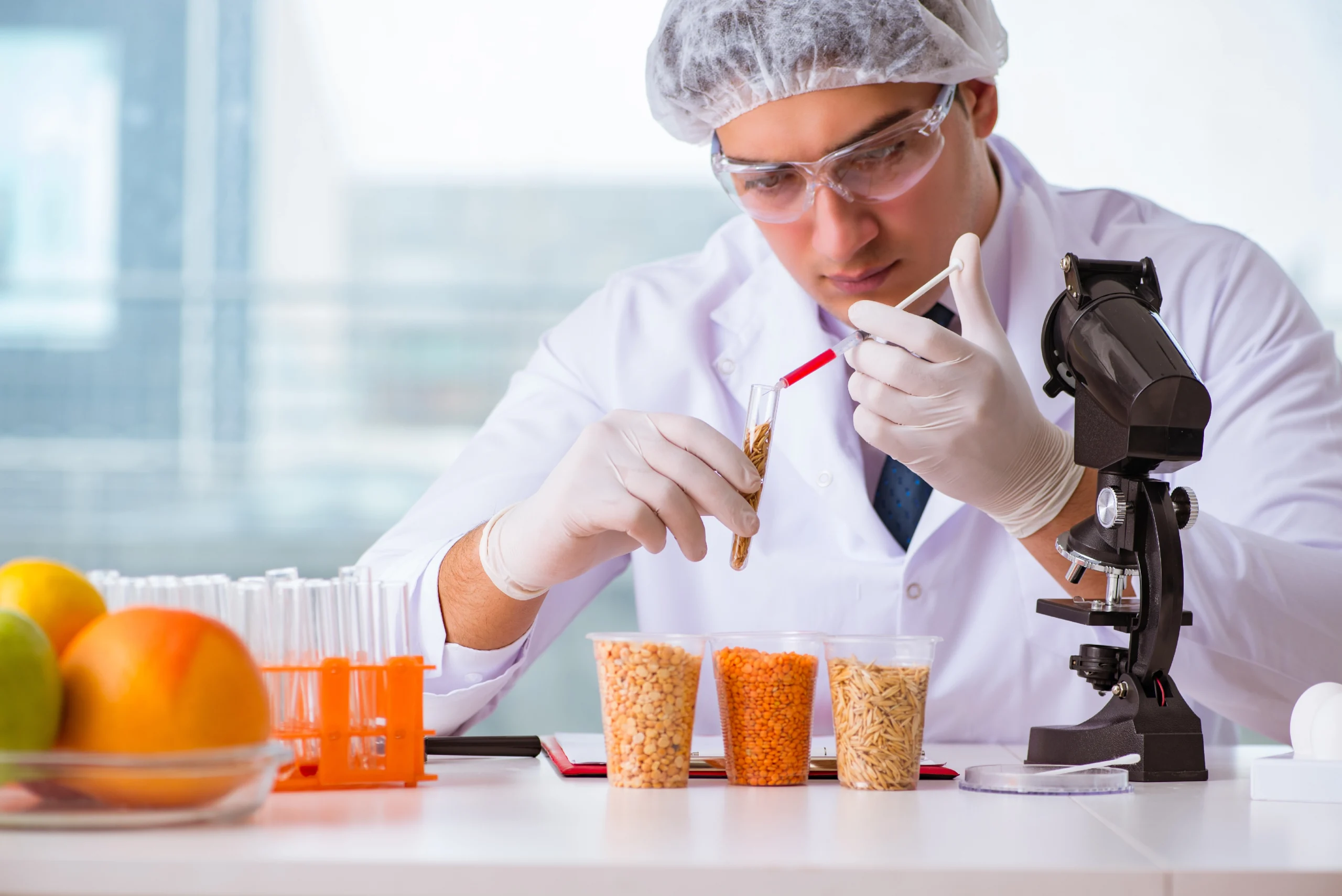
Launching a food product is exciting — but it’s also risky if you skip one critical step: working with a reliable food testing lab. From ensuring safety and regulatory compliance to validating nutrition labels and shelf life, proper testing protects your brand and your customers. If you’re wondering how to launch a food product the right way, the short answer is this: involve a certified food testing laboratory from the early development stage and follow a structured testing roadmap.
Now let’s dive into the complete, step-by-step guide that food entrepreneurs, manufacturers, and startups can follow to bring a safe, compliant, and market-ready product to life.
Why Working with a Food Testing Lab Is Non-Negotiable
Food recalls are rising globally. According to international food safety monitoring reports, microbial contamination, allergen mislabeling, and chemical residues are among the top causes of recalls. A single recall can cost millions — not just in financial losses but in damaged reputation.
A professional food testing laboratory ensures:
- Product safety
- Regulatory compliance
- Label accuracy
- Quality consistency
- Consumer trust
Whether you are a startup or an established manufacturer, collaborating with a food analysis laboratory reduces risk and strengthens your market position.
Step 1: Product Concept & Ingredient Risk Assessment (With a Food Testing Laboratory)
Before production begins, consult a food testing lab for ingredient evaluation.
Why this matters:
Every ingredient carries potential risks:
- Microbial contamination (Salmonella, E. coli, Listeria)
- Heavy metals
- Pesticide residues
- Allergens
- Adulteration
A certified analytical testing laboratory can conduct raw material screening before you invest in large-scale production.
Example:
If you are launching a spice blend, pesticide residue testing and aflatoxin analysis are critical. Without proper analytical testing services, your product could fail compliance checks later.
Step 2: Raw Material Testing Through a Food Testing Lab
Raw materials are the foundation of product safety.
A professional food testing lab in India or globally accredited lab will perform:
- Microbiological testing
- Chemical analysis
- Heavy metal testing
- Allergen detection
- Moisture analysis
Using advanced equipment, analytical laboratories ensure each batch meets predefined safety standards.
Real-world Insight:
Many product recalls originate from contaminated raw materials — not finished goods. Early lab testing for food products prevents such costly setbacks.
Step 3: Product Formulation Testing in a Food Analysis Laboratory
Once the product is formulated, testing becomes more comprehensive.
A food analysis laboratory will evaluate:
- Nutritional content (calories, fat, protein, carbohydrates)
- pH levels
- Preservative levels
- Additives compliance
- Sensory parameters
This stage ensures your label claims are scientifically validated through analytical testing services.
Why This Is Critical
Incorrect nutrition labeling can lead to regulatory penalties. A professional consumer food testing lab ensures your product label matches laboratory findings.
Step 4: Microbiological Testing at a Certified Food Testing Lab
Microbial contamination is one of the biggest threats in the food industry.
A qualified food testing laboratory conducts:
- Total Plate Count
- Yeast & Mold
- Salmonella
- E. coli
- Listeria monocytogenes
Without microbiological testing, your product could pose serious health risks.
Example:
Ready-to-eat food products require stringent microbial testing before launch. A reliable food testing lab in India follows FSSAI guidelines to ensure safety.
Step 5: Shelf-Life Testing and Stability Studies
How long can your product stay safe and fresh?
A professional food testing lab conducts:
- Accelerated shelf-life testing
- Real-time shelf-life studies
- Packaging compatibility analysis
This ensures your “Best Before” date is scientifically supported.
Why Shelf-Life Testing Matters:
Incorrect shelf-life claims may lead to:
- Consumer dissatisfaction
- Legal issues
- Product recalls
A certified analytical testing laboratory ensures your product maintains safety and quality throughout its lifecycle.
Step 6: Packaging Testing & Compliance Verification
Packaging interacts with food. Migration of harmful chemicals can occur.
A trusted food testing laboratory performs:
- Migration testing
- Packaging material analysis
- Contaminant screening
Additionally, some businesses work with an inspection company for supply chain audits and packaging verification.
Step 7: Regulatory Compliance Testing (Especially for Food Testing Lab in India)
If you’re launching in India, compliance with FSSAI is mandatory.
A professional food testing lab in India helps ensure:
- FSSAI compliance
- BIS standards adherence
- Export regulation compliance
- Label verification
Exporting internationally? Then compliance with US FDA, EU standards, or Codex Alimentarius may apply. Certified analytical laboratories guide you through these requirements.
Step 8: Final Product Validation Through Lab Testing for Food Products
Before market launch, complete final product testing including:
- Batch testing
- Nutritional validation
- Contaminant screening
- Allergen confirmation
This step ensures consistency between pilot batch and commercial production.
A reliable food testing lab provides detailed Certificates of Analysis (COA), giving distributors and retailers confidence.
Step 9: Ongoing Quality Monitoring with Analytical Testing Services
Launching the product is just the beginning.
Smart brands partner with a food testing laboratory for ongoing testing such as:
- Periodic batch analysis
- Environmental monitoring
- Water testing
- Swab testing
This continuous quality approach strengthens brand credibility.
Choosing the Right Food Testing Lab
Not all laboratories are equal. When selecting a food testing lab, check:
- Accreditation (NABL, ISO 17025)
- Turnaround time (TAT)
- Scope of analytical testing services
- Technology and equipment
- Traceability systems
- Regulatory recognition
A modern analytical testing laboratory with automated systems ensures accuracy and transparency.
The Role of a Consumer Food Testing Lab in Building Brand Trust
Today’s consumers are informed. Clean label, safe ingredients, and transparency matter more than ever.
A consumer food testing lab helps brands:
- Validate marketing claims
- Support “chemical-free” or “organic” statements
- Strengthen retailer negotiations
- Reduce risk of negative publicity
Trust isn’t built through marketing — it’s built through verified testing.
Common Mistakes to Avoid When Launching a Food Product
- Skipping raw material testing
- Relying only on supplier COA
- Ignoring shelf-life validation
- Delaying regulatory consultation
- Choosing unaccreted analytical laboratories
Each of these mistakes can cost far more than investing in proper lab testing for food products.
How a Food Testing Laboratory Impacts Business Growth
Working with a professional food testing lab is not just about compliance — it’s about growth.
Benefits include:
- Faster market approvals
- Reduced recall risk
- Stronger export opportunities
- Higher investor confidence
- Better retailer acceptance
Testing transforms food safety from a regulatory requirement into a competitive advantage.
Why Choose Qualitek Labs as Your Food Testing Lab in India?
When launching a food product, partnering with the right food testing lab in India makes all the difference.
With 6+ years of testing excellence and a team of experienced professionals, Qualitek Labs is one of the most trusted food testing laboratories in India. With regulatory recognitions, advanced facilities, and expert food technologists, they offer a full spectrum of food testing services — from raw material testing to final product validation.
What sets them apart?
- Advanced infrastructure
- Comprehensive analytical testing services
- Experienced technical team
- Regulatory compliance expertise
- Fast and reliable TAT
Qualitek Labs operates on eLABSS LIMS, a fully automated operational software ensuring complete traceability and streamlined workflows. Their stringent QA/QC protocols guarantee scientifically validated results that meet compliance standards.
If you’re serious about launching a safe, compliant, and successful food product, partnering with a professional food testing laboratory like Qualitek Labs is a strategic investment — not just an expense.
Final Thoughts
Launching a food product is more than a creative journey — it’s a responsibility. Consumers trust brands with their health. Working with a certified food testing lab ensures that trust is well placed.
From ingredient screening and microbiological testing to shelf-life validation and regulatory compliance, proper testing protects your brand at every stage.
If you’re preparing to enter the market, don’t treat testing as an afterthought. Treat it as your strongest foundation — and choose an experienced partner like Qualitek Labs to guide you confidently from concept to commercial success.
Frequently Asked Questions (FAQs)
1. Why is a food testing lab necessary before launching a food product?
A food testing lab ensures your product is safe, compliant, and accurately labeled. It prevents recalls and builds consumer trust.
2. How long does lab testing for food products take?
Turnaround time depends on the type of test. Basic microbiological tests may take 3–5 days, while shelf-life studies can take weeks or months.
3. Is food testing mandatory in India?
Yes. Under FSSAI regulations, food businesses must comply with safety standards. A certified food testing lab in India ensures compliance.
4. What is the difference between a food testing laboratory and an analytical testing laboratory?
A food testing laboratory focuses specifically on food safety and quality, while an analytical testing laboratory may provide broader chemical and scientific testing services across industries.
5. Can startups afford food testing services?
Yes. Many food testing services offer customized packages suitable for startups. Early testing reduces long-term financial risk.
Hi,
I have developed an acidified sauce product which I intend to launch commercially to both retail customers and the catering industry.
I am looking for consultancy support to help me understand the UK regulatory requirements before bringing the product to market. In particular, I would like guidance on:
* UK food labelling requirements (ingredients, allergens, nutrition, claims, etc.)
* Food safety and legal compliance
* The type of testing required (e.g. microbiological testing, nutritional analysis, shelf-life validation, pH and any other relevant testing)
* Packaging and labelling compliance
* The overall process from product development to being legally ready for retail and catering sale
My aim is to ensure the product is fully compliant before approaching retailers and wholesalers. I would appreciate any advice on the most appropriate route and the services you offer.
Hi Fahim
Thank you for your enquiry. Please submit your requirements via our Request a Quote form: https://www.qualiteklab.com/request-a-quote/. Our team will review your request and get back to you shortly.
Thank You!!