

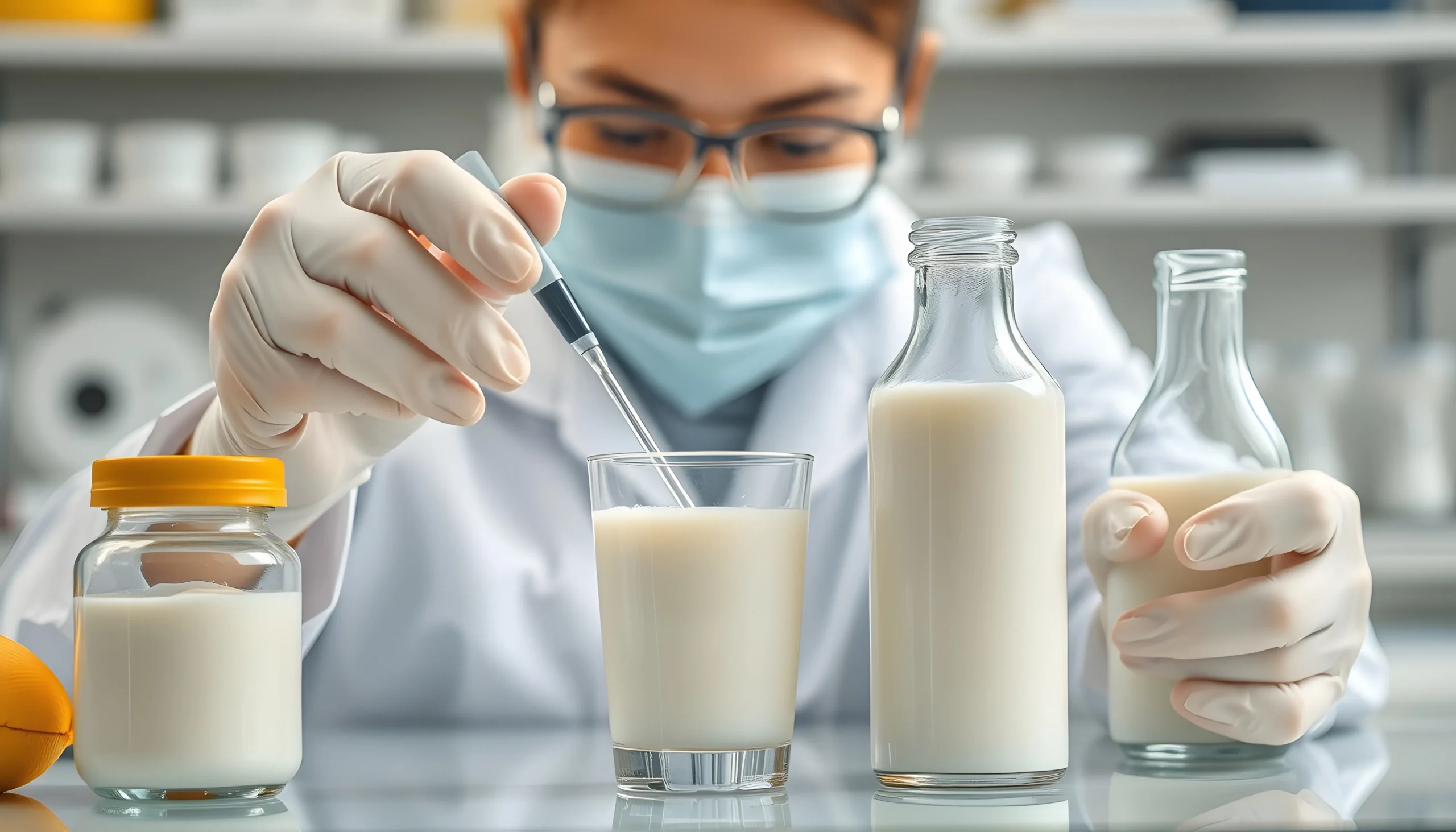
Milk testing is no longer optional, but it has become essential as India’s dairy sector is all set to enter a new phase of regulation. The Food Safety and Standards Authority of India (FSSAI) has made it mandatory for all independent milk producers and vendors to obtain proper registration or licensing. This shift is aimed at strengthening food safety standards and making sure that consumers receive high-quality and safe milk.
Milk testing refers to the process of testing milk for safety, quality, and composition to ensure that it meets regulatory standards. This process is becoming central to compliance for dairy stakeholders across the country, with the latest FSSAI directive.
Why the Milk Testing Rule Changes Everything
Despite India being among the largest milk producers in the world, a significant portion of the supply chain is still working via informal channels. Milk is distributed by small vendors and independent producers without doing the basic standardised checks. This gap is responsible for the increased risk of inconsistent quality and adulteration.
FSSAI is bringing accountability into the system with mandatory registration in place. This means that the producers need to follow proper milk testing procedure guidelines and maintain consistent quality. It translates into safer dairy consumption for consumers.
Milk Testing as a Compliance Tool
Quality verification is critical, and registration alone is not enough. This is why dairy milk testing will play a vital role now. With the help of regular milk testing, we can detect adulterants such as starch, water, or harmful chemicals, while also evaluating nutritional composition and microbial safety.
Partnering with a reliable milk testing lab helps dairy businesses meet regulatory requirements, avoid penalties, and build trust in a competitive market where quality assurance is a key differentiator.
Choosing the Right Milk Testing Partner
Working with an accredited testing lab is important to meet FSSAI standards effectively. There are many NABL-accredited labs in India which offer advanced testing capabilities to comply with national regulations.
A certified analytical testing laboratory or a food testing lab uses validated methods to deliver reproducible and accurate results. A food analysis laboratory will support proper documentation, which becomes important during audits and inspections.
For businesses searching for a “milk testing laboratory near me,” the focus should be on accreditation, technical expertise, and reliability rather than just proximity.
Understanding the Licensing Process
Keeping compliance rates in mind, FSSAI has simplified the registration process. Producers and vendors can now easily access the official portal to complete the FSSAI milk licence apply online process.
If the applicants need to verify approvals and track their status, they can visit the FSSAI milk licence check feature. This streamlined digital system ensures transparency while encouraging more stakeholders to enter the regulated framework.
Milk Testing Builds Brand Reputation
Regular milk testing, combined with professional food testing services, helps businesses maintain consistency and reduce risks. Collaborating with a quality assurance laboratory ensures that hygiene standards, documentation, and testing protocols are consistently followed. This not only ensures compliance but also strengthens brand reputation in the long run.
Registration Is Just the Beginning
Obtaining your licence is the first important step, not the last. Once registered, your products fall within the scope of routine food testing services and periodic enforcement checks. This is where having a dependable milk testing lab in your corner makes a real difference, not just for compliance, but for the consistency and credibility of your product.
At Qualitek Labs, we offer comprehensive milk testing across all critical parameters: fat content, SNF, adulteration markers, microbial contamination, and antibiotic residues. As an accredited testing lab with a team experienced in the complete milk testing procedure, our food analysis laboratory is equipped to support dairy producers and vendors at every stage of their compliance journey.
Whether you are just starting and need guidance on what dairy milk testing involves, or you are an established operation looking for a reliable quality assurance laboratory for routine checks, Qualitek Labs has the infrastructure and expertise to help.
Frequently Asked Questions
Why is milk testing now mandatory for dairy businesses?
With FSSAI making registration compulsory, milk testing has become essential to ensure compliance with safety standards. It helps verify quality, detect adulteration, and maintain consistency across the dairy supply chain.
What does a standard milk testing procedure include?
A proper milk testing procedure includes checking for adulterants, microbial contamination, fat and SNF levels, and overall composition. These tests are typically conducted in a certified milk testing lab or analytical testing laboratory.
How can I apply for an FSSAI milk license?
Producers and vendors can complete the FSSAI milk licence application process online through the official FSSAI portal. After applying, they can use the FSSAI milk licence check feature to track their application status.
How do I choose a reliable milk testing laboratory near me?
It is important to choose an accredited testing lab or one of the trusted NABL-accredited labs in India. This ensures accurate results and compliance with regulatory standards.