

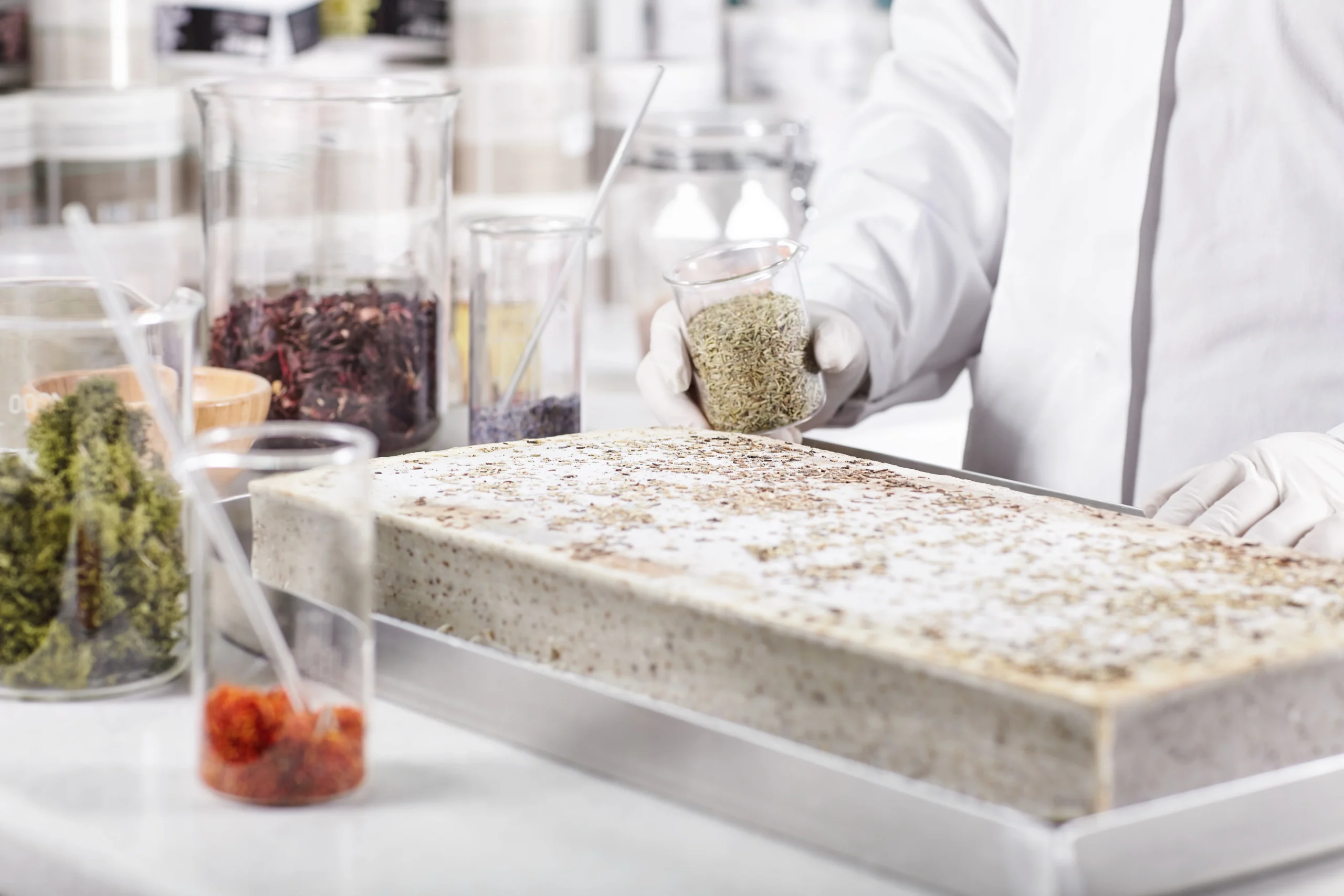
Spice quality testing is the process of scientifically analysing spices for purity, microbial safety, adulteration, moisture content, and chemical composition — and it matters more than most people realise. Whether you’re a spice manufacturer, exporter, food brand, or a regulatory officer, the quality and safety of spices directly impact consumer health and brand reputation. India is the world’s largest producer and exporter of spices, yet reports of adulteration, contamination, and sub-standard quality continue to surface. A robust spice testing services in India ecosystem — backed by NABL accredited food testing labs — is the only reliable line of defence. This blog explains why spice quality testing is not just a compliance checkbox, but a genuine business and public health imperative.
The Global Spice Market and India’s Role
India accounts for approximately 75% of the world’s total spice production and contributes nearly 50% of global spice trade. The Spices Board of India reports that the country exported spices worth over USD 4 billion in the financial year 2022-23 — a figure that reflects both the massive opportunity and the equally massive responsibility attached to it.
Spices like turmeric, red chilli, cumin, coriander, cardamom, and pepper are consumed daily across households and food manufacturing units. Any compromise in their quality — whether due to microbial growth, heavy metal contamination, or deliberate adulteration — can cascade into widespread food safety issues. This is why having access to a reliable food testing laboratory and investing in regular spice quality testing is no longer optional for serious businesses.
What Does Spice Quality Testing Actually Cover?
When people hear ‘spice quality testing,’ they often picture a simple colour check or basic purity test. In reality, modern spice testing services in India cover a wide spectrum of analytical parameters. Here’s what a comprehensive food analysis laboratory tests for:
1. Microbiological Testing
Spices, being dried and often unprocessed agricultural commodities, are highly susceptible to microbial contamination. Testing typically covers Total Plate Count (TPC), Yeast and Mould count, Salmonella, E. coli, Staphylococcus aureus, and Bacillus cereus. A 2020 study published in the Journal of Food Protection found that up to 65% of imported spices tested in international markets carried detectable levels of one or more pathogens. Proper microbial testing through a certified food safety testing lab is the only way to verify that a batch is safe for human consumption.
2. Adulteration Detection
Adulteration is one of the most widespread problems in the spice industry. Common adulterants include Sudan dyes in red chilli powder, chalk powder or rice flour in turmeric, exhausted spice material mixed with fresh product, and artificial colour masking low-quality raw material. In 2023, the Food Safety and Standards Authority of India (FSSAI) conducted a nationwide survey and found adulteration in nearly 1 in 4 spice samples tested. A food testing lab with advanced chromatography and spectroscopy equipment can detect even trace-level adulterants that are invisible to the naked eye.
3. Pesticide Residue Analysis
Spice crops are often treated with pesticides to prevent pest damage. However, residues that exceed permissible limits set by FSSAI and Codex Alimentarius pose significant health risks, including neurological disorders and hormonal disruption. A specialised spice testing lab performs multi-residue pesticide panels using GC-MS and LC-MS/MS techniques, covering hundreds of active molecules in a single run. For exporters targeting EU, US, or Japanese markets — where Maximum Residue Limits (MRLs) are especially stringent — regular pesticide testing is non-negotiable.
4. Heavy Metals Testing
Lead, cadmium, arsenic, and mercury can find their way into spices through contaminated soil, water, or processing equipment. Chronic exposure to these metals is linked to kidney damage, developmental disorders in children, and various cancers. NABL accredited food testing labs use ICP-MS (Inductively Coupled Plasma Mass Spectrometry) technology to detect heavy metals at parts-per-billion (ppb) levels, ensuring compliance with both domestic (FSSAI) and international food safety standards.
5. Physical and Organoleptic Parameters
Moisture content, ash value, acid-insoluble ash, volatile oil content, and extraneous matter are tested as part of physical quality profiling. These parameters directly correlate with shelf life, flavour potency, and compliance with ISO standards for individual spices. High moisture content, for example, accelerates mould growth and aflatoxin production — a serious food safety hazard. The physical and sensory profile of a spice batch is what ultimately determines its market value and suitability for food manufacturing.
6. Mycotoxin (Aflatoxin) Testing
Aflatoxins — produced by Aspergillus moulds — are potent carcinogens that commonly contaminate spices like chilli, nutmeg, and pepper during storage. The International Agency for Research on Cancer (IARC) classifies Aflatoxin B1 as a Group 1 carcinogen. FSSAI has defined strict permissible limits, and food safety testing labs routinely screen spice samples using ELISA, HPLC, or LC-MS methods to ensure these invisible toxins stay within safe thresholds.
Why Spice Quality Testing Matters for Flavour — Not Just Safety
Food safety gets most of the attention, but spice quality testing is equally important for flavour integrity. A product’s taste, aroma, and colour are determined by its volatile oil content, oleoresins, capsaicin levels (in chilli), piperine content (in pepper), and curcumin levels (in turmeric). These bioactive compounds degrade rapidly due to improper storage, adulteration, or processing. When a food company uses adulterated or low-quality spices, the resulting product fails on taste benchmarks, attracting customer complaints and increasing rework costs.
Consider this real-world scenario: A popular ready-to-eat curry brand noticed a sharp decline in their product’s flavour profile across two consecutive batches. Internal QC passed the product based on visual inspection alone. After sending samples to an independent food testing laboratory, it was found that the cumin used had only 0.8% volatile oil content — against the ISO-specified minimum of 2.5%. The culprit was an adulterated batch mixed with exhausted (post-distillation) cumin. Regular spice quality testing at the procurement stage would have caught this instantly.
Regulatory Framework: FSSAI and Spice Testing Standards in India
India’s food safety regulatory environment is governed by the Food Safety and Standards Authority of India (FSSAI) under the Food Safety and Standards Act, 2006. FSSAI has laid out comprehensive standards for spices under the Food Safety and Standards (Food Products Standards and Food Additives) Regulations, 2011. These standards define maximum permissible limits for moisture, ash, acid-insoluble ash, volatile oil, pesticide residues, heavy metals, and mycotoxins.
Any food business operator (FBO) dealing in spices — whether as a manufacturer, processor, importer, or exporter — is legally required to ensure their products meet these standards. Testing must be conducted at NABL accredited food testing labs that are recognised by FSSAI, which guarantees the technical competence of the lab and the validity of the results. Businesses that bypass this requirement risk product recalls, hefty penalties, export bans, and severe reputational damage.
For exporters, standards go even further. The European Union’s Rapid Alert System for Food and Feed (RASFF) regularly flags Indian spice consignments for pesticide violations, aflatoxin exceedances, and salmonella contamination. In 2022 alone, India featured among the top five countries with spice-related RASFF notifications. Working with a credible food testing lab in India that understands both domestic and international regulatory requirements is therefore critical for any export-oriented spice business.
Choosing the Right Spice Testing Lab: What to Look For
Not all laboratories are equal. When selecting a spice testing lab or food analysis laboratory, businesses should evaluate the following criteria:
- NABL Accreditation: Ensure the lab is accredited by the National Accreditation Board for Testing and Calibration Laboratories (NABL). NABL accredited testing labs follow ISO/IEC 17025 standards, ensuring globally benchmarked accuracy, traceability, and impartiality.
- FSSAI Recognition: The lab should be notified/recognised by FSSAI so that test reports are valid for regulatory submissions and compliance declarations.
- Comprehensive Test Menu: A good food safety testing lab should offer microbiological, chemical, physical, pesticide residue, heavy metals, and mycotoxin testing under one roof.
- Turnaround Time (TAT): For businesses with supply chain deadlines, a lab that offers standard, express, and urgent TAT options with transparent reporting timelines is essential.
- Digital Reporting and LIMS: Modern labs powered by Laboratory Information Management Systems (LIMS) offer faster report delivery, better traceability, and digital accessibility — eliminating delays caused by manual record-keeping.
- Experienced Food Technologists: Technical expertise matters. A lab with experienced food scientists who understand spice-specific matrices and testing challenges will consistently produce more reliable results.
How Regular Spice Testing Saves Businesses Money in the Long Run
Many small and medium spice businesses treat testing as a cost rather than an investment. This perspective often leads to painful consequences. Here are a few ways that regular spice quality testing pays for itself:
Preventing Costly Recalls: A product recall due to salmonella contamination can cost a food company anywhere from INR 50 lakhs to several crores — far more than a year’s worth of routine testing costs.
Protecting Export Contracts: A single RASFF rejection or port-of-entry detention in the EU or US can result in blacklisting by buyers, killing export revenues that took years to build.
Ensuring Consistent Product Quality: Consumer trust is built on consistency. Brands that test every batch at a certified food testing laboratory deliver a standardised sensory experience that earns repeat customers.
Supplier Verification: Testing incoming raw material batches helps identify rogue suppliers early, before sub-standard raw material enters the production chain.
Key Spice Testing Parameters at a Glance
Here’s a quick reference of the most important spice-specific testing parameters tested in a food testing lab in India:
- Turmeric: Curcumin content, moisture, total ash, acid-insoluble ash, lead chromate adulteration, Sudan dyes
- Red Chilli: Capsaicin and dihydrocapsaicin levels, ASTA colour value, aflatoxins, Sudan dyes, pesticide residues
- Black Pepper: Piperine content, volatile oil, moisture, light berries count
- Cumin: Volatile oil content, foreign matter, acid-insoluble ash, moisture
- Cardamom: Volatile oil, moisture, extraneous matter, microbial parameters
- Coriander: Volatile oil, moisture, heavy metals, pesticide residues, microbial safety
Conclusion: Invest in Spice Quality Testing — Your Brand Depends on It
The quality of your spices is the quality of your food product. In an industry where a single contaminated batch can make headlines for all the wrong reasons, spice quality testing is not a luxury — it is a fundamental business practice. From detecting hidden adulterants and microbial pathogens to ensuring that your cumin smells like cumin and your turmeric actually delivers the curcumin it promises, testing at every stage of the supply chain protects your customers, your brand, and your bottom line.
As India continues to grow its position in the global spice trade, the businesses that will thrive are those that anchor themselves to science-driven quality assurance. That means partnering with credible food safety testing labs, investing in regular testing protocols, and choosing NABL accredited food testing labs whose results stand up to scrutiny anywhere in the world.
Partner with Qualitek Labs for Trusted Spice Quality Testing
When it comes to spice quality testing, food safety testing, and comprehensive food analysis, Qualitek Labs stands out as one of the most trusted food testing laboratories in India. With over 6 years of testing excellence, Qualitek Labs combines deep regulatory expertise with advanced analytical capabilities to deliver results businesses can truly rely on.
Here’s why food businesses across India choose Qualitek Labs:
- Years of uncompromising testing excellence across food, spice, and beverage categories
- A team of experienced food technologists with in-depth spice matrix expertise
- Advanced analytical instruments including GC-MS, LC-MS/MS, ICP-MS, and HPLC
- Powered by eLABSS LIMS — a fully automated lab information management system ensuring end-to-end process traceability and faster TAT
- Stringent QA/QC protocols ensuring every result is scientifically validated and compliance-ready
- Regulatory recognitions enabling reports that are accepted by FSSAI and relevant export authorities
- Full-spectrum food testing solutions — from product development all the way to market release
Whether you need routine spice testing, pre-export compliance testing, or full-scale food safety testing for a new product launch, Qualitek Labs is your end-to-end food analysis laboratory partner. Trust the science. Test with Qualitek.
Frequently Asked Questions (FAQs)
Q1. What is spice quality testing and why is it important?
Spice quality testing is the scientific evaluation of spices for safety, purity, authenticity, and sensory attributes. It is important because adulterated or contaminated spices pose serious health risks and can damage a brand’s reputation and market access.
Q2. Which parameters are covered in spice testing services in India?
Comprehensive spice testing services in India cover microbiological parameters, adulteration, pesticide residues, heavy metals, mycotoxins (aflatoxins), moisture, ash content, volatile oil, and organoleptic properties — all aligned with FSSAI and Codex Alimentarius standards.
Q3. Why should I use an NABL accredited food testing lab for spice testing?
NABL accredited food testing labs operate under ISO/IEC 17025 standards, ensuring accuracy, traceability, and impartiality of test results. Their reports are accepted by FSSAI, export bodies, courts, and international buyers — making them the gold standard for regulatory compliance.
Q4. How often should a spice manufacturer conduct quality testing?
At a minimum, every incoming raw material batch and every finished goods batch should be tested before dispatch. For exporters, regulatory requirements may mandate even more frequent testing. High-volume producers often implement in-process testing as well.
Q5. Can a food testing lab in India test spices for export compliance to EU or US markets?
Yes. A well-equipped food testing laboratory in India that is NABL accredited, FSSAI recognised, and familiar with international regulations (EU MRLs, FDA requirements, FSMA) can conduct all necessary tests for export compliance, including pesticide multi-residue panels, aflatoxin screening, and heavy metals analysis.