

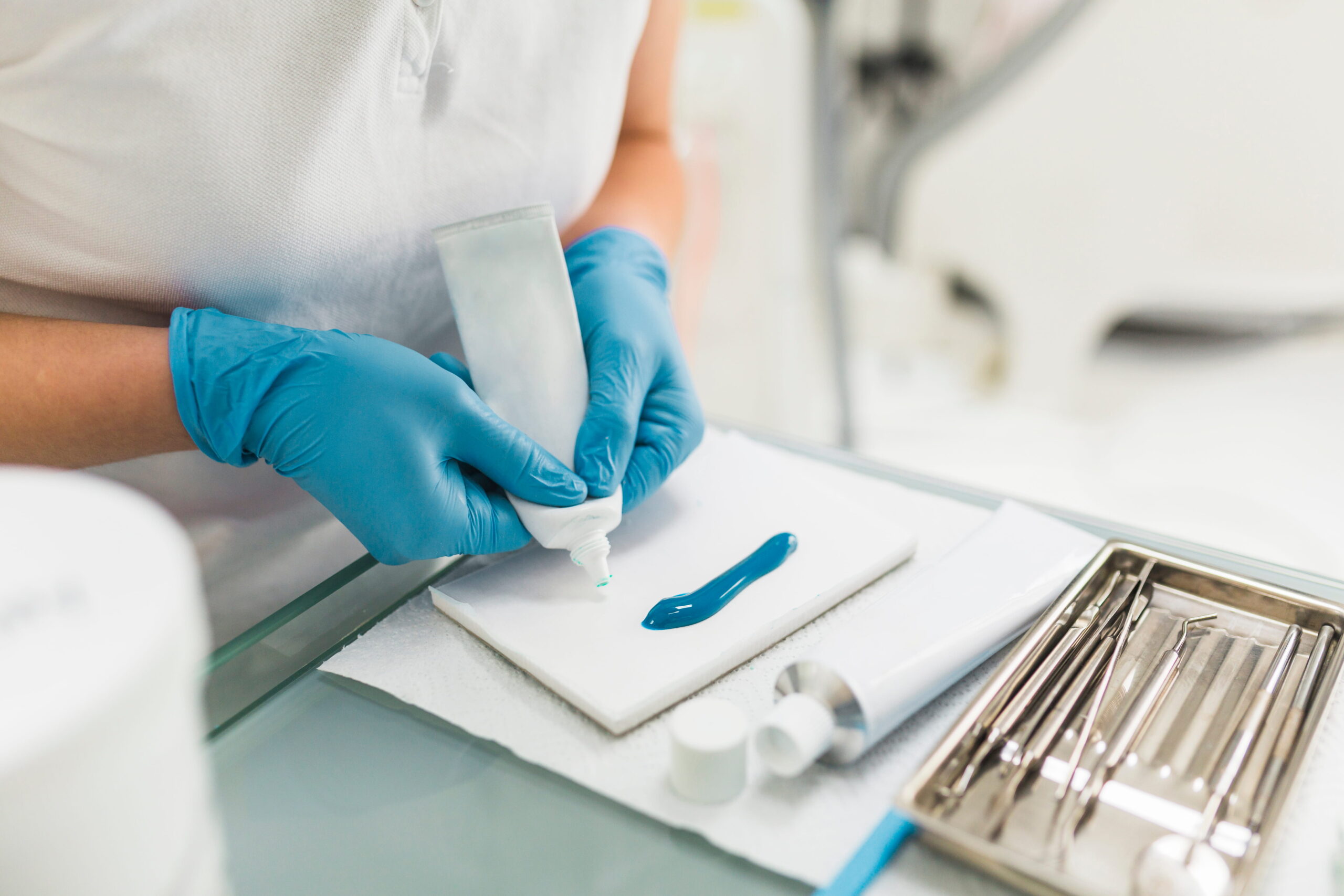
With counterfeit toothpaste flooding the market at an alarming rate, toothpaste testing has gone from being a routine quality step to an absolute necessity for manufacturers. Because if you’re making toothpaste today, the battle isn’t just about having a better formula or a more competitive price point. You’re operating in a market where fakes are quietly chipping away at consumer confidence across the entire oral care aisle, and that affects everyone, including the legitimate players.
Here’s the part that should concern you most: when a counterfeit product causes harm, consumers don’t go looking for the fraudster. They search the brand name on the packaging, which is yours. The reputational fallout lands on you, even though you had nothing to do with it.
So let’s break down exactly how these fake products are making their way into the market, and more importantly, what manufacturers can practically do to protect themselves and their customers from this growing threat.
The Growing Threat of Counterfeit Toothpaste Products
Counterfeit toothpaste is becoming harder to detect, as fake products closely resemble genuine ones in:
- Packaging and labelling
- Texture, colour, and fragrance
- Branding and product claims
However, these products often:
- Contain substandard or harmful ingredients
- Avoid regulatory approvals and quality checks
- Enter the supply chain through unauthorised distributors
Impact on Manufacturers:
- Damage to brand reputation
- Loss of revenue and market share
- Increased risk of legal action and recalls
What Is Toothpaste Testing?
Toothpaste testing is a comprehensive laboratory process used to evaluate whether a product meets:
- Safety standards
- Quality requirements
- Regulatory compliance
It involves scientific analysis to ensure the toothpaste is safe for use, effective, and consistent in quality.
What regulators in India actually require from toothpaste manufacturers
India’s rules around toothpaste manufacturing have gotten noticeably stricter over the past few years, and if you’re in the business, you’ve probably already felt it. The IS 6356 standard set by the Bureau of Indian Standards lays down a fairly detailed checklist of quality parameters that manufacturers need to meet. And that’s just the starting point. Since toothpaste is classified as a cosmetic, it also falls under the Drugs and Cosmetics Act, which means the Cosmetics Rules 2020 come into play as well.
In practical terms, here’s what compliance actually looks like on the ground:
- Every active ingredient must be clearly declared on the label — including the exact fluoride concentration in ppm, no vague listings
- Your manufacturing facility needs to follow Schedule M guidelines, which govern Good Manufacturing Practices for cosmetic production
- You’ll need proper stability and shelf-life data to back up whatever expiry date you’re printing on the pack
- Microbiological contamination is a serious checkpoint — total aerobic count, yeast, and mould all need to stay within IS/ISO-defined limits
- Certain preservatives and heavy metals are outright prohibited beyond specific threshold levels — the presence of these, even in trace amounts above the limit, is a non-starter
- Label formatting isn’t optional either — font size, mandatory declarations, and country of origin for imported products all have to be in order
The 8 critical tests every toothpaste batch should pass
Whether you’re manufacturing a daily-use fluoride paste, a whitening variant, or an herbal formulation, these are the non-negotiable test parameters that define product safety and efficacy:
| Parameter | Scope of Analysis |
| Fluoride content and availability | Total vs. soluble fluoride, verified against label claim |
| pH determination | Confirms safe range (5.5-10.5) to protect against enamel erosion |
| Relative Dentine Abrasivity (RDA) | Ensures protection against excessive wear |
| Heavy metal screening | Lead, arsenic, cadmium, mercury, tested by ICP-MS or AAS methods |
| Microbiological testing | Total viable count, absence of pathogens like Pseudomonas and Staphylococcus |
| Preservative efficacy testing (PET) | To confirm that the formulation will resist microbial growth over shelf live |
| Stability testing | Verifies colour change, potency loss, and no phase separation |
| Foaming and viscosity | To find out batch consistency |
Why Consumers and Brands Both Need Third-Party Testing
For brands, having oral care products independently tested is really about much more than ticking a compliance box — it’s about safeguarding the reputation you’ve spent years building. In an age where news travels instantly, one bad batch can unravel consumer trust faster than any marketing campaign can rebuild it.
Regulatory bodies like BIS and CDSCO aren’t getting any more lenient either. With global agencies raising the bar on safety standards, third-party testing has quietly shifted from a “nice to have” to an absolute business necessity — both for staying on the right side of the law and for keeping up with competitors who are already doing it.
Consumers, too, are waking up to the reality that a familiar logo on a tube doesn’t always mean a safe product inside. As counterfeits get harder to spot, buying from verified sellers and sticking to brands that openly share their quality credentials is simply the smarter move.
And for anyone in the supply chain — whether you’re manufacturing, importing, or distributing — third-party lab certification isn’t just paperwork. It’s the foundation of the trust that keeps your business running and your market position intact.
Choosing the right testing partner: What manufacturers should look for
Not all labs are equal. When selecting a toothpaste testing partner, manufacturers should evaluate on these criteria:
- NABL accreditation specifically covering cosmetics and oral care parameters
- Experience with IS 6356, Cosmetics Rules 2020, and relevant export market standards
- Capability to run the full panel in-house, outsourced sub-testing adds turnaround time and reduces traceability
- Regulatory consulting support, a good lab helps you interpret results, not just report them
Conclusion: Strengthen Your Brand with Reliable Toothpaste Testing
In a market increasingly affected by counterfeit products, toothpaste testing is no longer just about quality control; it’s a critical business strategy for manufacturers. It plays a key role in ensuring product safety, meeting regulatory requirements, and building lasting trust with consumers. Investing in thorough and consistent testing allows manufacturers to safeguard their products against counterfeit risks while maintaining uniform quality across batches.
Qualitek Labs offers comprehensive toothpaste testing services designed specifically for manufacturers, including chemical, microbiological, and stability analysis. Backed by NABL-accredited facilities and experienced professionals, Qualitek supports you in achieving compliance, identifying potential risks, and delivering safe, high-quality products to the market.
When your brand stands for quality, partnering with a trusted testing lab becomes essential to sustaining that promise.
Frequently Asked Questions
What is toothpaste testing, and why is it important?
A laboratory procedure called toothpaste testing assesses compliance, quality, and safety. Ensuring that products are safe, effective, and free from counterfeit dangers is crucial.
How does toothpaste testing help detect counterfeit products?
Toothpaste testing helps manufacturers find counterfeit or fake products on the market by identifying variations in chemical composition, impurities, and formulation.
What parameters are checked in toothpaste testing?
Key parameters include fluoride content, pH level, microbiological safety, heavy metals, abrasivity (RDA), and stability testing.
Is toothpaste testing mandatory in India?
Yes, toothpaste manufacturers must comply with BIS standards (IS 6356) and the Cosmetics Rules, 2020, making quality and safety testing essential for compliance.
Why should manufacturers choose third-party testing labs?
Third-party testing labs provide unbiased, certified results that help ensure regulatory compliance, product safety, and brand credibility.
How often should toothpaste be tested?
Manufacturers should conduct batch-wise testing and periodic quality checks to maintain consistency and prevent counterfeit risks.