
Global supply chains have never been more complex — or more exposed to risk. More moving parts, more handoffs, more distance between a buyer and the goods they’re paying for. And somewhere in that gap, quality problems, weight discrepancies, and specification mismatches quietly find their way in. This is where inspection services — specifically third-party inspection — earn their place. At its core, third-party inspection is independent verification: confirming that products actually meet the quality, safety, and regulatory standards they’re supposed to before they move any further.
It covers everything from raw material inspection at source to product inspection at the factory gate, container inspection before loading, and cargo inspection at discharge. For businesses trading at scale, that independent check is what separates a supply chain they can rely on from one that surprises them at the worst possible moment.
The full picture goes deeper than that. Here’s why third-party inspection has shifted from a nice-to-have to a core part of how serious businesses operate.
The Growing Complexity of Global Supply Chains
Today’s supply chains rarely involve a single country or vendor. Raw materials come from one region, manufacturing happens in another, packaging somewhere else, and distribution spans multiple markets — each with its own regulatory requirements. That complexity multiplies risk at every handoff.
Quality inconsistencies, regulatory gaps, counterfeit materials, and shipping damage all become harder to catch when accountability is spread thin. Without proper inspection and testing services at the right stages, these issues don’t surface until they’re expensive to fix.
A real example: a European retailer faced costly product recalls after substandard textile dyes from an overseas supplier failed EU compliance checks. A basic raw material inspection at the origin would have caught it before production ever began.
What Are Third-Party Inspection Services?
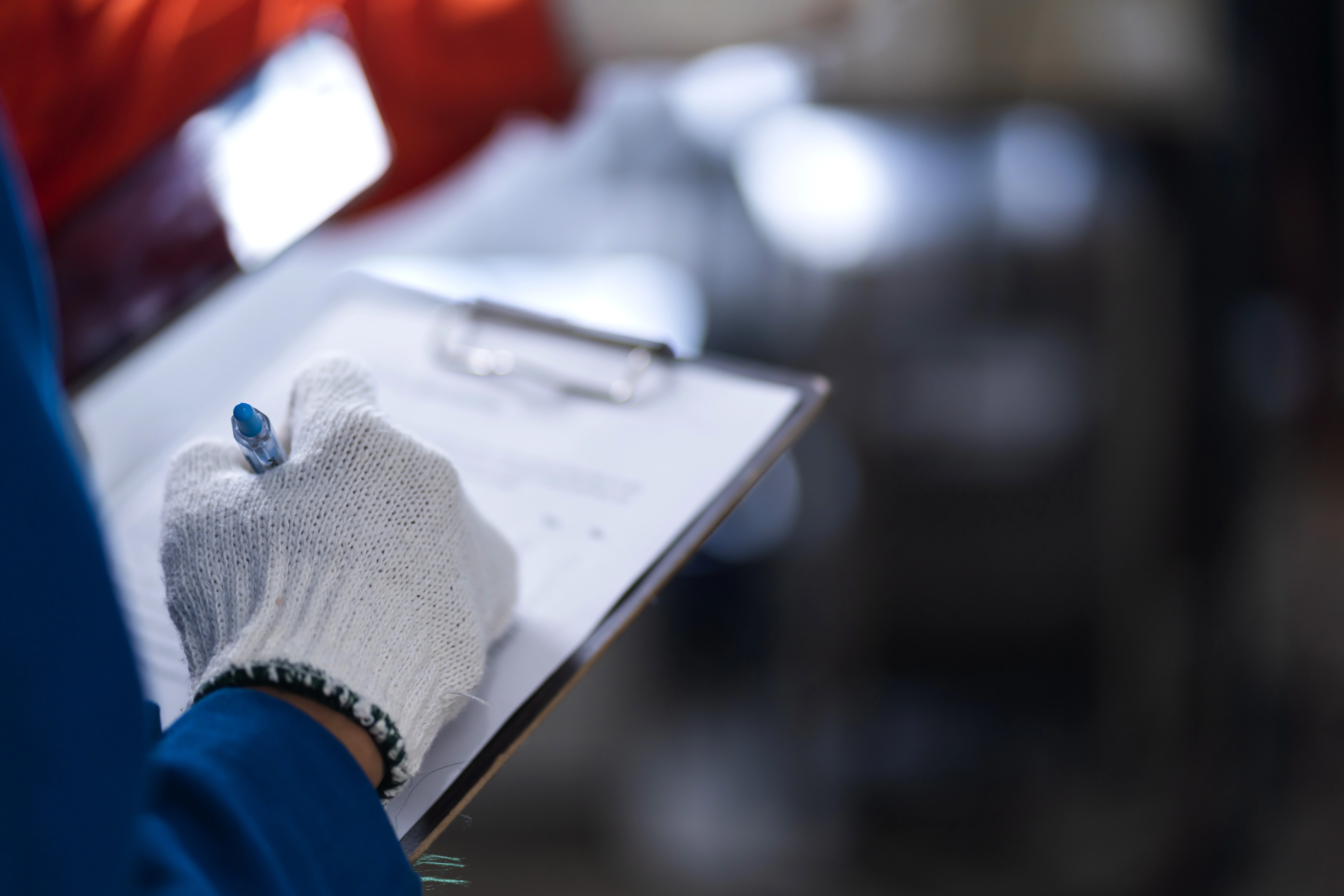
Third-party inspection is exactly what it sounds like — quality inspection carried out by an independent organisation that has no stake in the outcome. Not the manufacturer. Not the buyer. Someone with no financial interest in the result, which is precisely what makes their assessment credible.
In practice, this covers a broad range of activities. Product inspection at different stages of production. Industrial inspection of machinery and manufacturing processes. Cargo inspection before a shipment departs. Container inspection to verify loading integrity and condition. Laboratory testing to confirm regulatory compliance against defined standards. Each of these serves a different purpose, but they share a common thread — the findings are objective, documented, and defensible in a way that an internal check simply cannot be.
That independence is the point. When a third party signs off on a consignment, both buyer and seller have a shared, verified reference point. Disputes become easier to resolve. Trust becomes easier to build.
Key Benefits of Third-Party Inspection Across the Supply Chain
1. Ensures Consistent Product Quality
Quality inconsistency is one of the biggest challenges in global sourcing. Third-party quality inspection ensures that every batch meets predefined specifications.
How it helps:
- Detects defects early
- Maintains brand standards
- Reduces customer complaints
With industrial quality inspection, businesses can verify manufacturing processes and ensure consistency at scale.
2. Strengthens Compliance Through Laboratory Testing
Regulatory requirements vary across countries, making compliance a major challenge. This is where laboratory testing and analytical testing services play a critical role.
Key benefits:
- Ensures compliance with international standards
- Verifies chemical and material safety
- Prevents legal penalties
Companies with ISO accreditation often rely on certified labs for accurate and reliable results.
Real-world insight:
Food exporters must comply with strict safety norms. Without proper analytical testing services, shipments risk rejection at international borders.
3. Reduces Financial and Operational Risks
Supply chain failures can lead to:
- Product recalls
- Shipment rejections
- Legal liabilities
Third-party inspection services act as a preventive measure.
Example: A pre-shipment cargo inspection can identify packaging flaws that might lead to damage during transit. Fixing it before shipping is far cheaper than dealing with returns.
4. Enhances Logistics Efficiency with Container Inspection
Shipping is a critical stage where products are vulnerable to damage.
Role of container inspection:
- Ensures proper loading
- Checks container condition
- Prevents contamination or damage
Similarly, cargo inspection verifies that goods are handled and transported correctly.
This reduces:
- Transit losses
- Insurance claims
- Delivery delays
5. Validates Manufacturing Processes Through Industrial Inspection
Third-party industrial inspection goes beyond final product checks. It evaluates:
- Production methods
- Equipment performance
- Process efficiency
Why it matters:
- Identifies process flaws
- Improves production quality
- Ensures long-term consistency
With industrial quality inspection, companies can maintain high standards even when manufacturing is outsourced.
6. Supports Innovation Through Analytical R&D
Modern businesses are not just focused on quality—they’re focused on innovation.
This is where analytical R&D and analytical research and development come into play.
How it helps:
- Improves product formulations
- Enhances performance and durability
- Supports compliance with evolving standards
Third-party labs offering analytical testing services help businesses innovate while maintaining quality.
7. Builds Trust Across the Supply Chain
Trust is a major challenge when dealing with international suppliers.
Third-party inspection provides:
- Transparent reporting
- Objective verification
- Reliable documentation
This builds confidence among:
- Buyers
- Suppliers
- Regulatory authorities
8. Improves Decision-Making with Data-Driven Insights
Inspection reports provide valuable data that helps businesses:
- Identify recurring issues
- Optimise supplier performance
- Improve quality control strategies
With integrated inspection and testing services, companies can make informed, data-backed decisions.
Types of Third-Party Inspection Services in Global Supply Chains
1. Pre-Production Inspection
Ensures raw materials and components meet specifications before manufacturing begins.
2. During Production Inspection
Monitors quality during manufacturing to catch defects early.
3. Pre-Shipment Inspection
Verifies finished goods before dispatch.
4. Loading Supervision
Ensures proper handling and loading of goods.
Conclusion
Third-party inspection is about more than catching defects — it’s about protecting every stage of your supply chain. From raw material inspection at source to cargo inspection at discharge, from analytical testing services to industrial quality inspection on the ground, each step builds a verified quality trail that serious trade depends on. Businesses that get this right reduce risk, resolve disputes faster, and earn buyer trust that’s hard to build any other way.
If you need an inspection partner with real accreditation and field experience, Qualitek Labs delivers. End-to-end inspection and testing services — product inspection, cargo inspection, raw material inspection, and accredited laboratory testing — all under one roof. Get in touch to discuss your requirements.
Frequently Asked Questions
1. What are third-party inspection services?
Third-party inspection services are independent evaluations conducted by external agencies to ensure products meet quality, safety, and regulatory standards across different stages of the supply chain.
2. Why is laboratory testing important in inspection services?
Laboratory testing verifies material composition, safety, and compliance. It complements inspection by identifying issues that are not visible during physical checks.
3. What is the difference between product inspection and industrial inspection?
Product inspection focuses on finished goods, while industrial inspection evaluates manufacturing processes, equipment, and production efficiency.
4. How does container inspection help in logistics?
Container inspection ensures proper loading, checks container conditions, and prevents damage or contamination during transportation.
5. What industries benefit from third-party inspection services?
Industries like food, pharmaceuticals, manufacturing, construction, and electronics benefit significantly from inspection and testing services.
6. What is ISO accreditation in inspection services?
ISO accreditation ensures that inspection and testing providers meet international standards for quality, reliability, and competence.
7. How do analytical R&D services support quality inspection?
Analytical R&D helps improve product formulations and ensures compliance with evolving standards, enhancing overall product quality.