

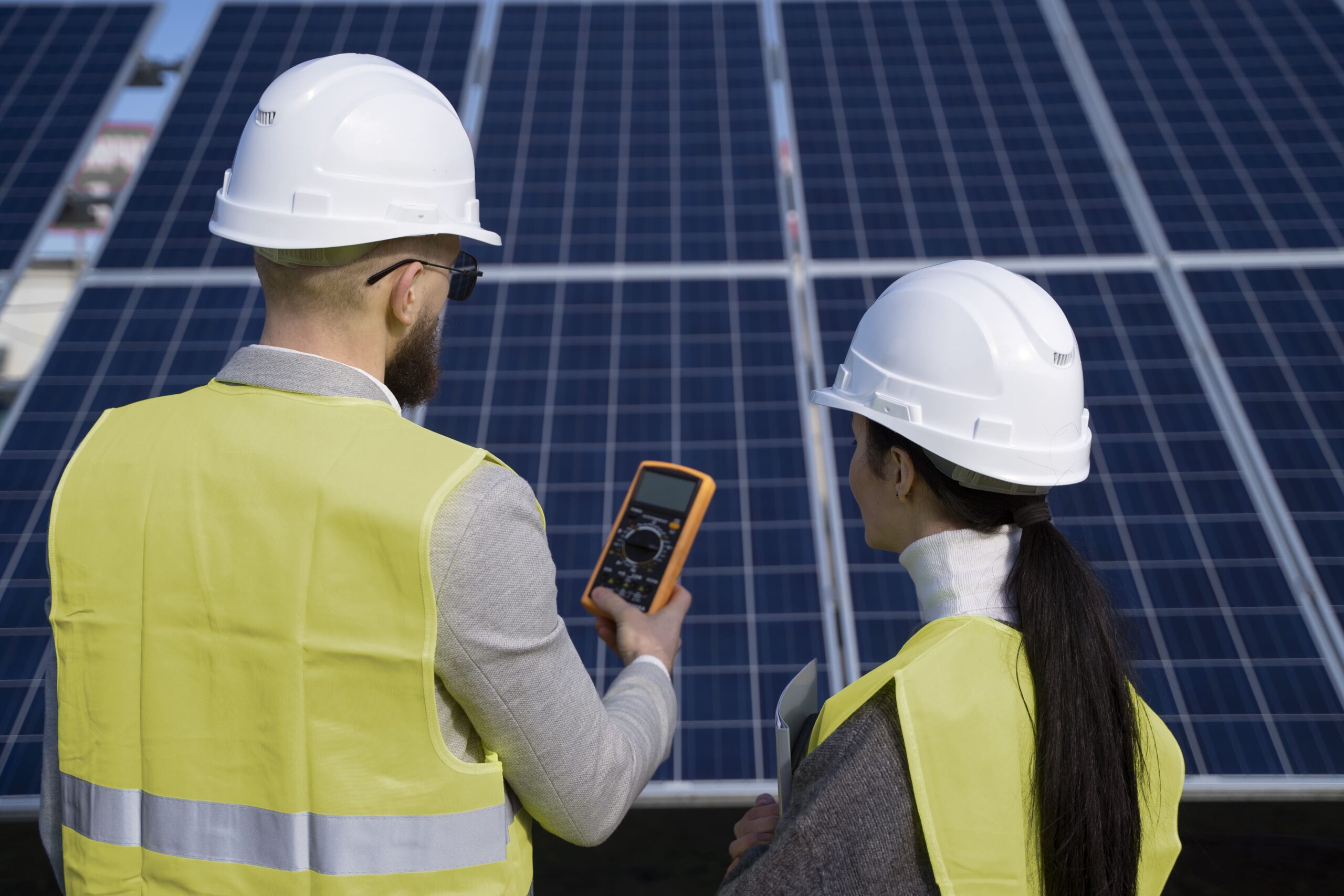
As the world shifts toward sustainable energy solutions, solar power has become an integral part of the energy landscape. For commercial installations, solar energy testing is not just a formality but a crucial step to ensure that the system operates efficiently and effectively over time. Regular solar testing can significantly enhance the lifespan, performance, and safety of solar energy systems, providing peace of mind to businesses while optimizing energy production. In this blog, we’ll dive deep into the importance of solar power system testing, the types of tests involved, and how businesses can benefit from these services, especially when using professional testing services from a trusted certification company or analytical testing laboratory.
What Is Solar Power System Testing?
Solar energy testing involves a range of inspections and diagnostic tests to ensure the proper functioning of solar power systems. These tests assess the performance of both the solar panels and solar batteries, identifying potential issues before they become major problems. Whether you’re operating a commercial solar setup or planning a new installation, conducting these tests regularly can prevent unexpected failures, ensure peak performance, and even help in compliance with regulatory standards.
There are several types of solar testing that help assess different components of the solar system, from the panels themselves to the battery tester for solar batteries. Testing also plays a vital role in maintaining battery performance, which is critical for systems that rely on solar energy storage.
Key Benefits of Solar Power System Testing for Commercial Installations
1. Maximizing Energy Efficiency
The primary benefit of solar energy testing is the optimization of energy production. Even a small malfunction in the system can cause a significant drop in efficiency, reducing the amount of energy generated. Regular testing identifies underperforming panels or batteries, allowing timely repairs and adjustments. This ensures that the system operates at its best, generating maximum energy output for the commercial property.
Example: Consider a manufacturing plant with a large solar panel system installed on its roof. If one section of the panels is underperforming due to dirt accumulation or wiring issues, this can cause a loss of several kilowatts of energy per day, significantly impacting the plant’s energy savings. Solar testing can catch these issues early.
2. Improved Longevity of the System
A solar power system, including the panels and batteries, is a long-term investment. Routine solar testing helps in early identification of issues like battery degradation or panel wear and tear, which could lead to system failure if left unchecked. By conducting regular inspections, businesses can address minor issues before they escalate into costly repairs or replacements, thereby extending the lifespan of the system.
3. Compliance with Regulations
For commercial solar installations, there may be specific local, state, or national regulations regarding the performance and safety of solar power systems. Solar energy testing ensures compliance with these standards, avoiding potential fines or penalties. Furthermore, many certification companies provide detailed reports that can be submitted to regulatory bodies to demonstrate compliance.
4. Enhanced Safety
Safety is always a top priority in any commercial setup. Faulty wiring, damaged panels, or failing batteries can pose safety risks, including fires or electrical hazards. Solar energy testing helps detect any issues related to electrical faults, ensuring that the solar power system meets the safety standards required for commercial use.
5. Lower Maintenance Costs
By catching problems early through solar testing, businesses can avoid costly repairs or the need for emergency maintenance. Timely identification of minor issues leads to quicker and less expensive fixes, which helps in reducing overall maintenance costs.
Types of Solar Power System Tests
1. Visual Inspection
The first step in any solar testing routine is a visual inspection. Technicians look for physical damage on solar panels, wiring, and mounts. They also check for signs of wear, corrosion, or dirt accumulation that can affect the performance of the system.
2. Performance Testing
Performance testing evaluates how much energy a solar panel is actually producing compared to its expected output. This helps in determining whether the system is working at its full potential.
3. Battery Testing
For systems with solar energy storage, battery testing is crucial. A battery tester for solar batteries measures the battery’s charge retention capacity, voltage levels, and overall health. Over time, solar batteries may lose capacity, which could impact the system’s performance. Regular battery testing ensures that the storage component of your solar system is still functioning optimally.
4. Inverter Testing
The inverter is a vital component of any solar system as it converts the DC energy generated by the panels into AC power for use in the building. Regular inverter testing ensures it is operating efficiently and without faults.
5. Electrical Testing
Electrical testing ensures that the wiring and connections between the panels, inverter, and battery storage are secure and functioning correctly. A faulty electrical connection can cause the system to short-circuit or fail entirely.
Why Choose a Professional Certification Company or Inspection Company?
While some businesses may attempt to perform solar power system testing in-house, it’s always best to work with professionals, especially those affiliated with a recognized certification company or inspection company. These organizations have the expertise, tools, and experience to ensure that testing is thorough and accurate.
Professional analytical testing services go beyond simple inspections—they provide in-depth analyses of your solar power system’s components, offering a more comprehensive understanding of its performance and potential issues. Analytical testing laboratories are equipped to carry out advanced diagnostics, ensuring that every aspect of the system is operating within the required parameters.
Real-World Example: How Solar Testing Can Save Costs
Let’s take the example of a commercial office building in a city with a high reliance on solar power. After two years of operation, the system’s output has dropped by 15%. Upon conducting solar energy testing, the problem was traced to the battery bank, which had begun to degrade faster than expected. Thanks to regular battery testing, the building’s management was able to replace the failing batteries before it became a costly emergency. This proactive approach saved the company both downtime and the cost of emergency repairs.
Why Qualitek Labs is Your Best Choice for Solar Energy Testing
When it comes to choosing a partner for solar energy testing, Qualitek Labs stands out as a leading analytical testing laboratory with a proven track record in providing high-quality testing services. As a trusted certification company, Qualitek Labs offers a comprehensive range of solar testing services, including performance testing, battery testing, and full system inspections. Their team of experts uses advanced testing methods to ensure that your solar installation is safe, efficient, and compliant with all necessary standards.
Qualitek Labs also provides detailed reports, which can be useful for meeting regulatory requirements and maintaining proper documentation for insurance or warranty purposes. With their expertise and cutting-edge tools, Qualitek Labs can help businesses ensure their solar power systems are always performing at their best.
Conclusion
In conclusion, regular solar energy testing is essential for ensuring that your commercial solar installation runs smoothly, safely, and efficiently. From maximizing energy production to extending the lifespan of your system, the benefits of solar testing cannot be overstated. By partnering with trusted experts like Qualitek Labs, businesses can ensure their solar systems operate at peak performance, comply with regulations, and ultimately contribute to a sustainable future.
FAQs
Q1: How often should I conduct solar energy testing for my commercial installation?
A: It’s recommended to conduct solar energy testing at least once a year. However, you should also monitor the system’s performance regularly and carry out additional tests if any issues arise or if you notice a drop in energy production.
Q2: What is the role of a battery tester for solar batteries?
A: A battery tester for solar batteries helps assess the health of your solar energy storage system. It checks the charge retention, voltage levels, and overall performance of the battery, ensuring it continues to function efficiently and doesn’t degrade prematurely.
Q3: Can I perform solar power system testing on my own?
A: While basic visual inspections can be done in-house, it’s always best to hire a professional inspection company or certification company for in-depth testing. They have the expertise and equipment to ensure accurate and reliable results.
Q4: What are the main benefits of working with an analytical testing laboratory for solar testing?
A: Analytical testing laboratories provide comprehensive diagnostics and detailed reports that go beyond basic inspections. They ensure that every component of your solar power system is tested rigorously and performs optimally, which is crucial for long-term efficiency.
Q5: What should I do if my solar panels or batteries fail the test?
A: If any part of your solar power system fails the test, it’s important to address the issue promptly. Contact a professional certification company or inspection company to make necessary repairs or replacements to avoid further damage and maintain system performance.
Read Previous Blog Here : How Thermal Shock Testing Improves Battery Safety in Modern Vehicles