

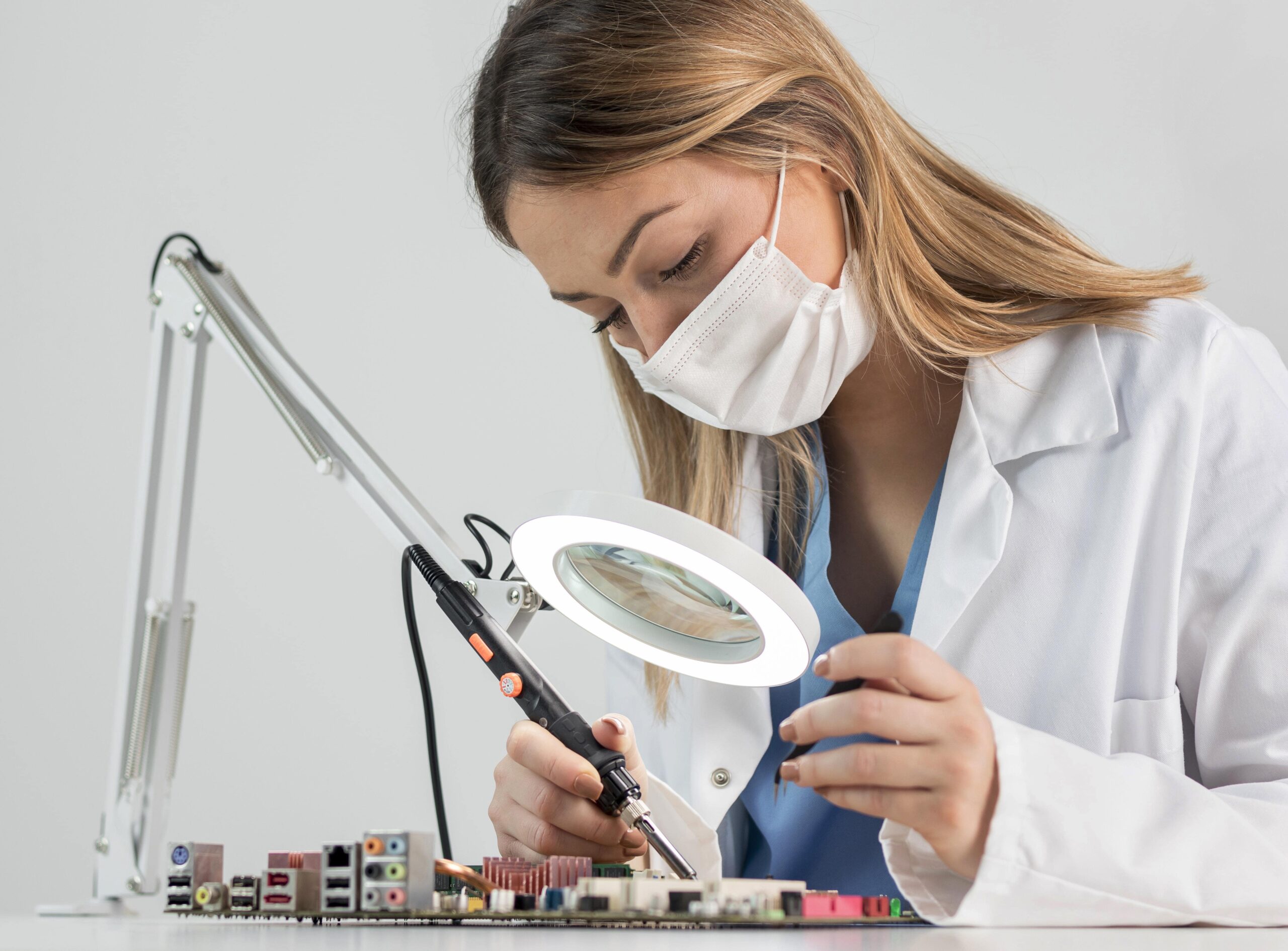
In healthcare environments like clinics, hospitals, and diagnostic centers, appropriate lighting is not just a design preference—it’s a matter of patient safety, staff performance, and regulatory compliance. That’s where illumination testing services come into play. These services measure, evaluate, and validate light levels in different spaces to ensure they meet the specific lighting standards required in clinical settings. Whether it’s the emergency ward, a surgical suite, or a general examination room, correct lighting can significantly impact both patient outcomes and workplace efficiency.
In this blog, we’ll dive into what illumination testing actually involves, why it’s especially critical in healthcare facilities in India, and how working with the right analytical testing laboratory or certification company can help you maintain the highest safety and operational standards.
What Is Illumination Testing?
Illumination testing is the process of measuring the level, distribution, and quality of light in a given area using scientific instruments and standard protocols. It forms a part of comprehensive lighting assessment or illumination survey, helping facility managers understand whether their lighting systems meet the required norms for safety, visibility, and energy efficiency.
This testing is particularly vital in clinics and hospitals, where:
- Medical tasks demand precision lighting (e.g., surgeries, diagnostics)
- Patient recovery depends on visual comfort
- Compliance with standards (e.g., IS 3646, OSHA, BIS) is mandatory
- Poor lighting can lead to staff fatigue, errors, and accidents
Why Is Illumination Testing Critical in Clinics and Healthcare Facilities?
1. Ensures Patient Safety and Comfort
In areas like ICUs or operating theatres, improper lighting can affect medical procedures, increasing the risk of errors. For example, inadequate illumination during suturing or IV insertions can lead to patient harm. Similarly, overexposure to harsh lighting in recovery rooms may cause eye strain or disrupt sleep cycles. Lighting impact assessments help healthcare managers optimize these environments for patient well-being.
2. Supports Accurate Diagnosis and Treatment
From pathology labs to imaging rooms, healthcare professionals rely heavily on visibility. Shadowing, glare, or uneven lighting can interfere with diagnostics and procedures. An effective illumination survey detects these issues early and helps fine-tune lighting for clinical accuracy.
3. Enhances Staff Productivity and Morale
Nurses, doctors, and technicians often work long shifts in high-pressure environments. Studies show that proper lighting reduces fatigue, improves mood, and boosts concentration—especially in critical areas like emergency rooms. By conducting a lighting assessment, clinics can design spaces that support staff performance and reduce burnout.
4. Helps in Meeting Legal and Regulatory Standards
In India, healthcare facilities must comply with specific guidelines outlined in:
- IS 3646 (Part 1): 1992 – Recommendations for interior illumination
- Bureau of Indian Standards (BIS)
- EPA Act 1986 – Environmental norms
- State Health Department Regulations
Failure to comply can result in penalties or failed inspections. Regular illumination testing services from a certified inspection company ensure clinics stay audit-ready.
What Does an Illumination Testing Process Involve?
A typical illumination testing or lighting assessment includes the following steps:
1. Site Visit and Lighting Layout Review
A team from an analytical testing laboratory visits the clinic, reviews existing lighting fixtures, room layouts, and lighting plans.
2. Measurement with Lux Meters
Using calibrated lux meters, testers record illumination levels (in lux) across various work zones: examination rooms, corridors, waiting areas, operating rooms, etc.
3. Comparison with Standards
Measurements are compared against recommended values set by IS 3646 and BIS. For instance:
- General Examination Room: 300–500 lux
- Operating Theatre: 1,000–10,000 lux
- Nurse Station: 150–300 lux
4. Identification of Problem Areas
The team identifies areas with insufficient, excessive, or uneven lighting that may cause issues like glare, poor visibility, or energy wastage.
5. Reporting and Recommendations
The analytical testing lab prepares a detailed report, offering practical improvements like:
- Fixture repositioning
- Light source upgrades (LEDs)
- Installation of diffusers
- Integration of natural light
Real-World Example: Illumination Testing in a Mumbai Clinic
A leading diagnostic clinic in Mumbai partnered with a professional certification company after staff reported frequent headaches and eye strain. An illumination survey revealed that light levels in their pathology lab were only 180 lux—far below the 500-lux recommendation. After retrofitting with compliant LED fixtures, the clinic reported:
- 30% increase in diagnostic accuracy
- Reduced staff fatigue
- Positive patient feedback on comfort
Lighting Compliance Standards in India
When conducting illumination testing, the following Indian and global standards are often referenced:
| Standard | Relevance |
| IS 3646 (Part 1): 1992 | Interior lighting levels |
| BIS Standards (Various) | Compliance for hospital design |
| EPA Act, 1986 | Environmental and lighting norms |
| OSHA Lighting Guidelines | Workplace safety (adopted where relevant) |
| NABH Accreditation Requirements | Lighting compliance in patient areas |
Why Partner with an Analytical Testing Lab for Illumination Testing?
Not all facilities have the tools or expertise to perform lighting impact assessments or lighting assessments in-house. That’s why working with an experienced analytical testing laboratory or inspection company is vital.
An accredited lab ensures:
- Use of calibrated, certified equipment
- Tests conducted as per national/international standards
- Timely, actionable reports
- Ongoing support for future audits or improvements
Why Choose Qualitek Labs for Illumination Testing Services?
When it comes to reliable and accurate illumination testing services for healthcare facilities in India, Qualitek Labs is a name you can trust.
Here’s why:
- Decades of Expertise: Backed by years of experience in analytical and environmental testing
- Pan-India Presence: Fully equipped labs across the country
- Certified Experts: Experienced scientists and lighting engineers
- Fast, Accurate Results: Cutting-edge equipment ensures quick turnaround without compromising accuracy
- Compliance-Driven: Testing is conducted per EPA Act 1986, IS standards, and other global benchmarks
- Versatile Clients: Serving hospitals, manufacturers, government organizations, and private firms
With a customer-first approach, Qualitek Labs guarantees dependable results delivered on time—ensuring your clinic meets all lighting and safety benchmarks.
Conclusion
In clinical environments, light isn’t just a utility—it’s a critical factor for health, safety, and efficiency. With India’s increasing focus on healthcare quality and compliance, regular illumination testing services are more important than ever. Whether you’re aiming to meet BIS standards, prepare for NABH accreditation, or simply create a better healing environment, lighting assessments and illumination surveys provide the insights you need.
If you’re looking for a trusted partner to carry out these evaluations, look no further than Qualitek Labs—India’s leading analytical testing laboratory for environmental and lighting compliance. With modern equipment, skilled professionals, and a commitment to accuracy, Qualitek ensures your clinic is not just well-lit—but fully compliant and future-ready.
Frequently Asked Questions (FAQs)
1. How often should a clinic conduct illumination testing?
It’s recommended to conduct testing annually or whenever there’s a change in lighting infrastructure or room usage.
2. Is illumination testing mandatory for NABH accreditation?
While not explicitly listed, maintaining proper lighting is a key component of many NABH standards, and illumination testing provides documented proof.
3. Can illumination testing help reduce energy costs?
Absolutely. Identifying over-lit areas allows you to reduce unnecessary lighting or switch to energy-efficient solutions.
4. What tools are used in lighting assessments?
Certified lux meters, data loggers, and lighting layout software are typically used during assessments.
5. What areas in a clinic need the highest lighting levels?
Operating theatres, emergency rooms, and laboratories usually require the highest illumination—up to 10,000 lux depending on procedures.