

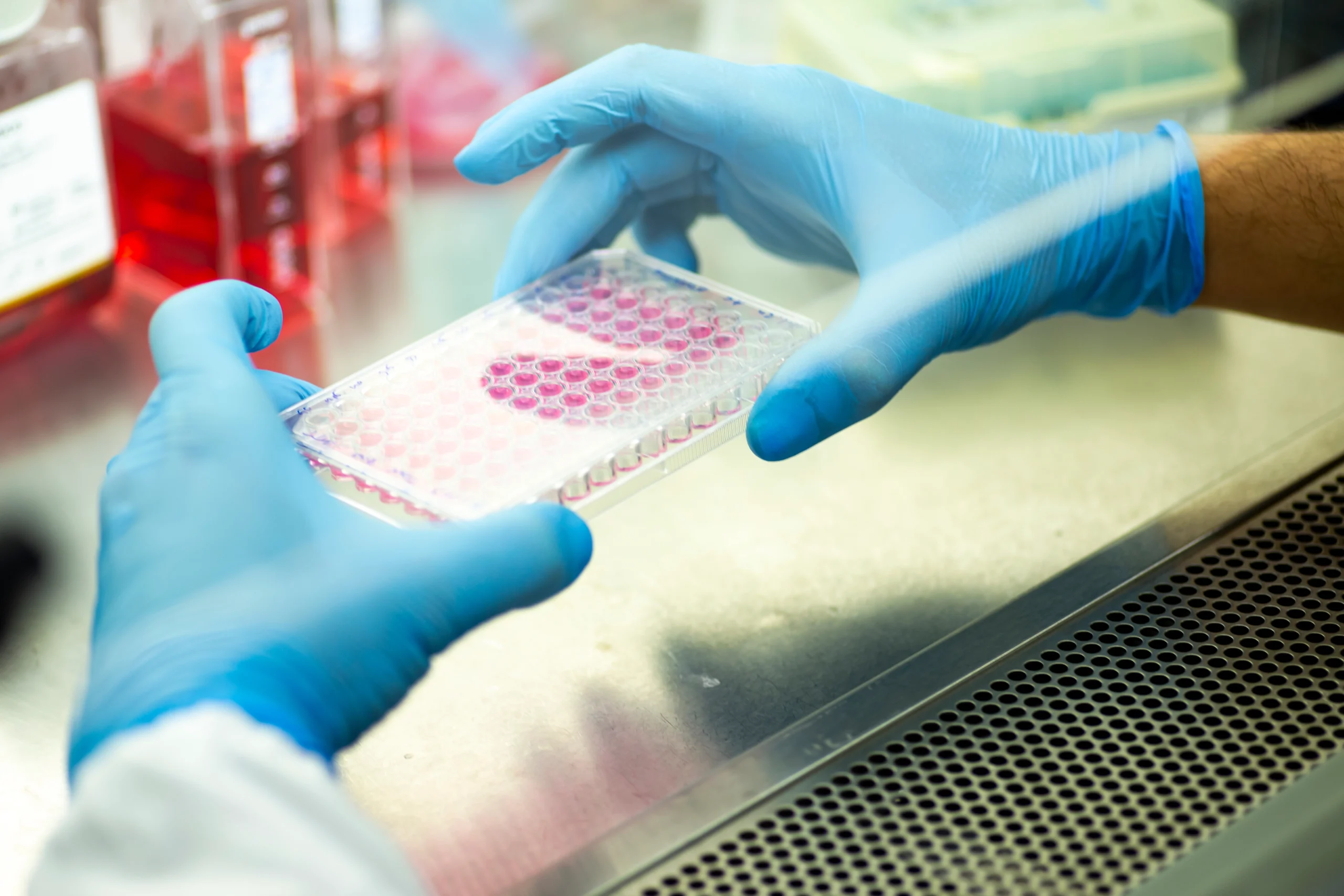
Medicine packaging plays a critical role in protecting drugs from contamination, moisture, temperature changes, and physical damage. This is why pharmaceutical companies rely on a packaging testing lab to evaluate the strength, safety, and reliability of packaging before products reach patients. Through advanced pharmaceutical packaging testing and scientifically validated packaging testing methods, manufacturers can ensure that medicines maintain their effectiveness throughout storage, transportation, and distribution. In this guide, we will explore the 10 most important tests for medicine packaging quality, how packaging testing services work, and why they are essential for pharmaceutical safety and regulatory compliance.
Why Medicine Packaging Quality Testing Is Important
Medicine packaging is more than just a container. It serves as a protective barrier that safeguards drugs from environmental and mechanical risks. Without proper product packaging testing, medicines may degrade, leak, or become contaminated, which can directly impact patient safety.
Here are the key reasons why pharmaceutical companies invest in professional packaging testing services:
1. Protection of Drug Stability
Pharmaceutical products are highly sensitive to moisture, oxygen, light, and temperature fluctuations. Proper packaging materials testing ensures that the packaging material provides the necessary barrier properties to maintain drug stability throughout its shelf life.
2. Compliance with Packaging Testing Standards
Global regulatory authorities require pharmaceutical packaging to comply with strict packaging testing standards such as ISO, ASTM, and ISTA guidelines. Testing ensures that packaging meets these regulatory requirements.
3. Safe Transportation
Medicines travel through multiple stages in the supply chain. Using validated packaging testing methods, companies can simulate transportation conditions and prevent damage during shipping.
4. Preventing Product Recalls
Packaging failure can lead to product recalls, which are costly and damaging to a company’s reputation. Testing helps identify potential risks before products reach the market.
5. Ensuring Patient Safety
Ultimately, the goal of pharmaceutical packaging testing is to protect patients by ensuring medicines remain safe, effective, and uncontaminated.
10 Important Tests for Medicine Packaging Quality
Below are the most widely used packaging testing methods performed by professional analytical testing laboratories and inspection companies to ensure pharmaceutical packaging quality.
1. Leak Testing in Pharmaceutical Packaging
Leak testing is one of the most critical packaging testing methods used in pharmaceutical packaging.
This test checks whether packaging such as blister packs, bottles, or sachets has any microscopic leaks that could allow air, moisture, or contaminants to enter.
Why it matters
- Prevents contamination
- Maintains drug potency
- Protects sterile pharmaceutical products
For example, injectable drugs require completely sealed packaging. A professional packaging testing lab uses vacuum or pressure-based testing equipment to identify leaks that are invisible to the human eye.
2. Drop Testing for Product Packaging Testing
Drop testing evaluates how well pharmaceutical packaging can withstand accidental drops during handling or transportation.
In this product packaging testing method, packaged medicines are dropped from different heights and angles to simulate real-world logistics conditions.
Benefits
- Identifies weak packaging designs
- Prevents damage during shipping
- Ensures product integrity during handling
For instance, syrup bottles or medicine cartons must survive warehouse handling and transport without breaking.
3. Compression Testing for Medicine Packaging
Compression testing determines the ability of packaging to withstand stacking pressure.
Pharmaceutical packages are often stacked in warehouses and during transportation. A packaging testing lab performs compression tests to ensure that cartons or boxes do not collapse under pressure.
What it evaluates
- Box strength
- Stacking capacity
- Structural integrity
This type of packaging materials testing is especially important for bulk pharmaceutical shipments.
4. Burst Strength Testing
Burst strength testing measures the maximum pressure packaging materials can withstand before rupturing.
This test is particularly important for:
- Paperboard cartons
- Corrugated boxes
- Flexible pharmaceutical packaging
By performing burst strength tests, analytical testing services can ensure that packaging materials are strong enough to handle mechanical stress.
5. Stability Testing for Pharmaceutical Packaging
Stability testing evaluates how packaging performs over time under different environmental conditions.
In this process, products are stored in controlled conditions such as:
- High temperature
- High humidity
- Long-term storage
A qualified analytical testing laboratory uses stability chambers to monitor whether packaging maintains its protective properties.
Importance
- Ensures drug shelf life
- Validates packaging design
- Supports regulatory approvals
6. Climatic Testing for Packaging Materials Testing
Climatic testing simulates environmental conditions such as heat, humidity, and temperature fluctuations.
Pharmaceutical packaging must remain stable in different climates, especially when medicines are transported internationally.
Using specialized chambers, a packaging testing lab evaluates how packaging performs in extreme environments.
Example
Medicines transported in tropical regions may experience temperatures above 40°C. Climatic testing ensures packaging remains effective under such conditions.
7. Vibration Testing for Pharmaceutical Packaging
Vibration testing simulates the movement and vibrations experienced during transportation by trucks, ships, or airplanes.
During this product packaging testing method, packaged medicines are placed on vibration platforms to replicate real logistics conditions.
Why this test is important
- Prevents internal product damage
- Ensures packaging durability
- Protects fragile pharmaceutical products
Many inspection companies perform vibration tests to validate transportation safety.
8. Seal Integrity Testing
Seal integrity testing checks whether seals in packaging—such as blister packs or pouches—are strong and airtight.
Weak seals can allow oxygen or moisture to enter, which may degrade medicines.
This pharmaceutical packaging testing method uses advanced equipment to measure the strength and reliability of seals.
Benefits
- Prevents contamination
- Maintains sterility
- Ensures packaging reliability
9. Material Compatibility Testing
Material compatibility testing ensures that packaging materials do not chemically react with the medicine.
For example:
- Some plastics may interact with liquid drugs.
- Certain materials may absorb active pharmaceutical ingredients.
Through packaging materials testing, an analytical testing lab verifies that packaging materials are safe and compatible with pharmaceutical formulations.
10. Barrier Property Testing
Barrier property testing measures how well packaging prevents the transmission of moisture, oxygen, or light.
Medicines are sensitive to environmental exposure, and even small amounts of oxygen or moisture can affect their effectiveness.
Common barrier tests include
- Water vapor transmission rate (WVTR)
- Oxygen transmission rate (OTR)
These packaging testing standards ensure that pharmaceutical packaging provides adequate protection for sensitive drugs.
Packaging Testing Standards for Pharmaceutical Products
To ensure safety and reliability, pharmaceutical companies must follow internationally recognized packaging testing standards.
Some of the most widely used standards include:
ISO Standards
International standards for packaging materials and testing procedures.
ASTM Standards
Widely used methods for mechanical and environmental testing of packaging.
ISTA Standards
Transportation simulation tests used to evaluate packaging performance during shipping.
Professional analytical testing services ensure that packaging meets these standards before products enter the market.
Role of an Analytical Testing Laboratory in Pharmaceutical Packaging
An analytical testing laboratory plays a vital role in ensuring medicine packaging safety.
These laboratories provide comprehensive analytical testing services, including:
- Material characterization
- Chemical compatibility testing
- Stability studies
- Performance testing
By combining advanced technology and scientific expertise, these laboratories help pharmaceutical companies maintain product quality and regulatory compliance.
Benefits of Professional Packaging Testing Services
Working with a certified packaging testing lab offers several advantages for pharmaceutical manufacturers.
Improved Product Safety
Testing ensures medicines remain safe throughout their lifecycle.
Regulatory Compliance
Professional packaging testing services help companies meet national and international regulations.
Reduced Product Loss
Testing minimizes damage during storage and transportation.
Better Packaging Design
Through detailed analysis, companies can optimize packaging for performance and cost efficiency.
Conclusion: Why Choose Qualitek Labs for Packaging Testing
Zero-defect delivery is only possible when pharmaceutical packaging systems are verified and validated through scientific testing. This is where Qualitek Labs stands out as a trusted packaging testing lab.
Qualitek Labs helps manufacturers ensure reliable and compliant packaging through advanced packaging testing services and modern analytical testing laboratory infrastructure.
Some key strengths include:
- Wide range of environmental chambers for temperature and humidity testing
- Dedicated altitude testing chambers for air pressure evaluation
- Comprehensive pharmaceutical packaging testing
- Advanced analytical testing services for packaging materials
With expertise in product packaging testing and compliance with global packaging testing standards, Qualitek Labs supports manufacturers in delivering safe and reliable pharmaceutical products to the market.
FAQs
1. What is pharmaceutical packaging testing?
Pharmaceutical packaging testing evaluates the strength, safety, and performance of packaging materials used for medicines. It ensures packaging protects drugs from environmental and mechanical damage.
2. Why is packaging testing important for medicines?
Testing ensures medicines remain safe, stable, and effective throughout storage and transportation while complying with regulatory standards.
3. What are the common packaging testing methods?
Common packaging testing methods include leak testing, drop testing, compression testing, vibration testing, seal integrity testing, and barrier property testing.
4. What standards are used in pharmaceutical packaging testing?
Common packaging testing standards include ISO, ASTM, and ISTA, which define procedures for evaluating packaging performance.
5. How does a packaging testing lab help pharmaceutical companies?
A packaging testing lab helps pharmaceutical companies ensure packaging quality, meet regulatory requirements, prevent product damage, and maintain drug stability.