

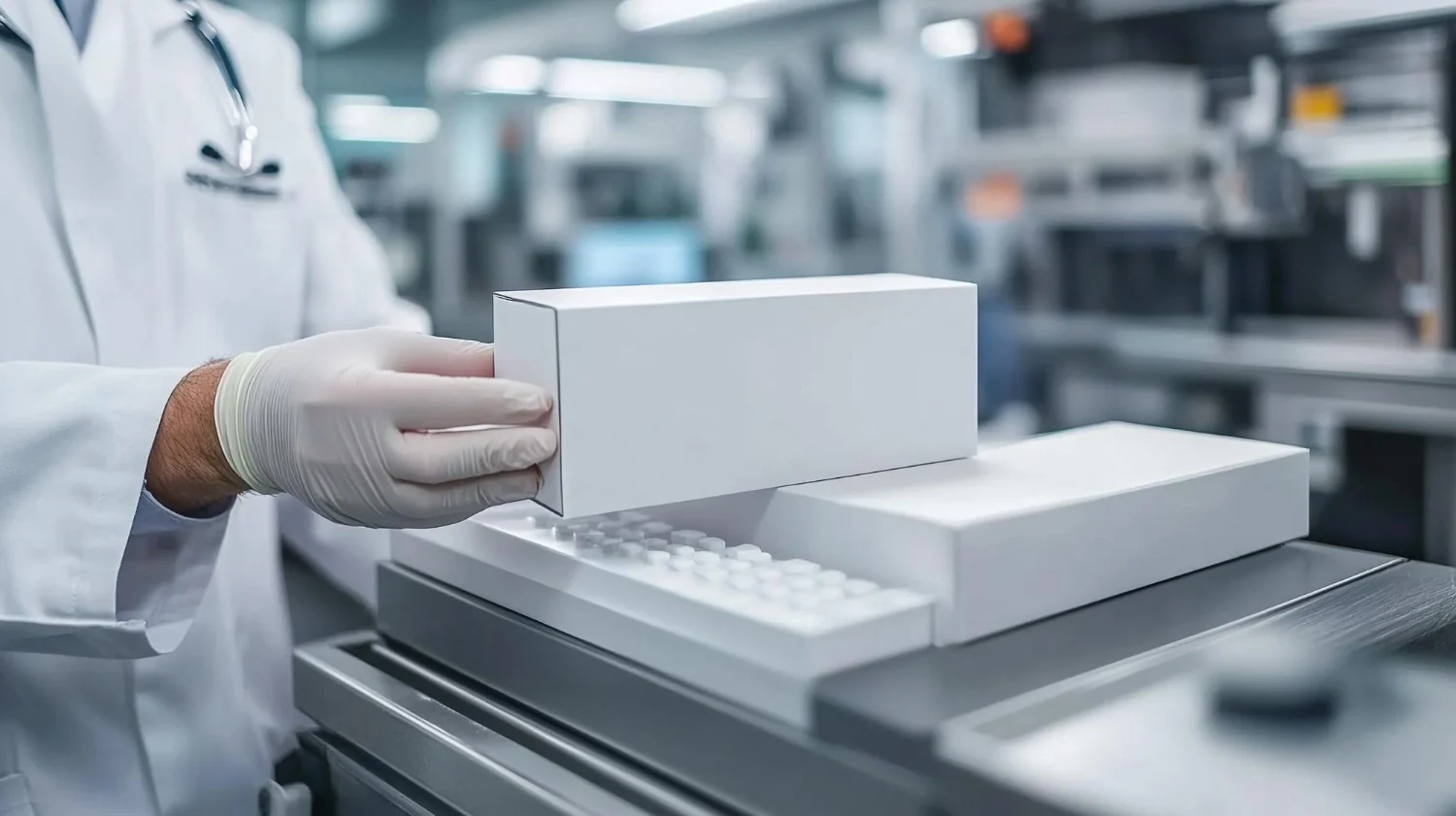
In the medical device industry, product quality extends beyond the device itself. The packaging that protects a medical device plays an equally important role in ensuring its safety, sterility, and performance until it reaches the end user. Even a well-designed device can become ineffective if its packaging fails during transportation, storage, or handling.
This is why medical device packaging testing has become an essential part of quality assurance. Manufacturers must verify that packaging materials and designs can withstand real-world conditions while complying with regulatory requirements. In this blog, we’ll explore why packaging testing matters, the key tests involved, and how manufacturers can ensure their products remain safe throughout the supply chain.
What Is Medical Device Packaging Testing?
Medical device packaging testing is the process of evaluating packaging systems to ensure they protect medical devices from physical damage, contamination, moisture, and other environmental factors. The objective is to confirm that the packaging maintains its integrity from manufacturing to the point of use.
Unlike conventional packaging, medical device packaging often needs to preserve sterility, making its performance critical to patient safety. Comprehensive testing helps manufacturers validate that the packaging performs as intended under different handling, storage, and transportation conditions.
Why Is Medical Device Packaging Testing Important?
Packaging is the first line of defense for a medical device. If it fails, the product inside may no longer be safe or effective for use.
Here are some of the key reasons why medical device packaging testing is essential:
Protects Product Sterility
Many medical devices are supplied in sterile packaging. Any compromise to the packaging seal can expose the product to contaminants, increasing the risk of infection and product rejection.
Ensures Product Integrity
Medical devices often travel long distances before reaching hospitals, clinics, or patients. Testing verifies that packaging can withstand impacts, compression, vibration, and environmental changes during transportation.
Supports Regulatory Compliance
Global regulatory bodies expect manufacturers to validate packaging performance through recognized testing standards. Proper documentation demonstrates compliance during audits and product submissions.
Reduces Product Damage and Returns
Packaging failures can lead to damaged products, customer complaints, recalls, and financial losses. Testing helps identify weaknesses before products reach the market.
Common Types of Medical Device Packaging Testing
Different packaging systems require different evaluation methods. Manufacturers typically perform multiple tests to ensure complete package validation.
Seal Strength Testing
Seal strength testing measures the force required to separate package seals. Strong, consistent seals help maintain sterility and prevent accidental package opening during transportation.
Burst Testing
Burst testing evaluates the maximum internal pressure a package can withstand before failure. This helps assess the overall strength of sealed packaging.
Dye Penetration Testing
This method detects leaks or seal defects by introducing a colored dye that highlights microscopic openings in the package.
Vacuum Leak Testing
Vacuum testing identifies package leaks that may not be visible during routine inspection, ensuring packaging integrity throughout its shelf life.
Compression Testing
Compression testing evaluates the package’s ability to withstand stacking and storage loads without damaging the medical device inside.
Drop Testing
Drop testing simulates accidental drops during shipping and handling to determine whether the packaging adequately protects the product.
Vibration Testing
Transportation often exposes packages to continuous vibrations. This test evaluates whether prolonged vibration affects package integrity or product safety.
Environmental Conditioning
Medical device packages may experience varying temperatures and humidity levels during storage or transportation. Environmental testing confirms that packaging maintains its performance under these conditions.
Key Standards Manufacturers Should Consider
Compliance with internationally recognized standards is an important part of medical device packaging testing.
Manufacturers commonly refer to standards covering:
- Package integrity evaluation
- Sterile barrier system validation
- Transportation simulation testing
- Seal strength verification
- Package performance testing
Following recognized standards helps manufacturers demonstrate product reliability while meeting customer and regulatory expectations.
Benefits of Medical Device Packaging Testing
Investing in proper packaging validation provides several long-term advantages.
Some of the key benefits include:
- Improved product safety
- Better protection during shipping
- Enhanced customer confidence
- Reduced risk of recalls
- Lower packaging-related failures
- Compliance with industry regulations
- Increased product shelf life
- Better overall quality assurance
Rather than treating testing as a regulatory obligation, manufacturers should view it as an investment in product reliability and brand reputation.
Challenges Faced by Manufacturers
While medical device packaging testing offers numerous benefits, manufacturers often face several challenges during package validation.
Common challenges include:
- Selecting appropriate packaging materials
- Maintaining sterile barrier integrity
- Simulating real-world transportation conditions
- Meeting evolving regulatory requirements
- Validating multiple package configurations
- Managing tight product launch timelines
Partnering with an experienced testing laboratory helps manufacturers overcome these challenges while ensuring accurate and reliable results.
Choosing the Right Packaging Testing Partner
The effectiveness of packaging validation depends largely on the expertise and capabilities of the testing laboratory.
When selecting a laboratory, manufacturers should look for:
- Advanced packaging testing equipment
- Experienced testing professionals
- Compliance with international testing standards
- Accurate and repeatable test methods
- Timely reporting
- Technical support throughout the validation process
A reliable laboratory not only performs testing but also helps manufacturers strengthen their overall quality management system.
Conclusion
As the medical device industry continues to evolve, medical device packaging testing has become an essential step in ensuring product safety, maintaining sterility, and meeting regulatory expectations. Proper package validation helps manufacturers reduce product failures, improve supply chain reliability, and build trust with healthcare providers and patients alike.
At Qualitek Labs, we offer comprehensive packaging testing solutions designed to support medical device manufacturers at every stage of product development and commercialization. Our experienced team, advanced testing capabilities, and commitment to quality help manufacturers validate packaging performance with confidence. Whether you require seal integrity testing, transit simulation, package strength evaluation, or complete packaging validation, Qualitek Labs delivers reliable, accurate, and timely results to help you meet industry standards and bring safer medical devices to market.
Frequently Asked Questions
1. What is medical device packaging testing?
Medical device packaging testing evaluates the strength, integrity, and performance of packaging to ensure it protects the device and maintains sterility during storage and transportation.
2. Why is medical device packaging testing important?
It helps prevent packaging failures, protects product quality, ensures patient safety, and supports compliance with industry regulations and quality standards.
3. What tests are commonly performed on medical device packaging?
Common tests include seal strength, burst, dye penetration, vacuum leak, compression, drop, vibration, and environmental conditioning to evaluate package performance.
4. Which standards are used for medical device packaging testing?
Manufacturers commonly follow standards such as ISO 11607 and ASTM testing methods to validate sterile barrier systems and packaging performance.
5. When should manufacturers conduct medical device packaging testing?
Packaging testing should be performed during product development, before commercial launch, after packaging design changes, and as part of ongoing quality assurance.
6. How does packaging testing help reduce product recalls?
By identifying packaging defects early, manufacturers can prevent product damage, contamination, and seal failures that could lead to costly recalls and customer complaints.
7. Can third-party laboratories perform medical device packaging testing?
Yes. Accredited third-party laboratories provide independent testing, validated methods, and detailed reports to support regulatory submissions and quality compliance.
8. Why choose Qualitek Labs for medical device packaging testing?
Qualitek Labs offers comprehensive packaging testing services using advanced equipment and industry-standard methods to help manufacturers ensure packaging quality, regulatory compliance, and product safety.