

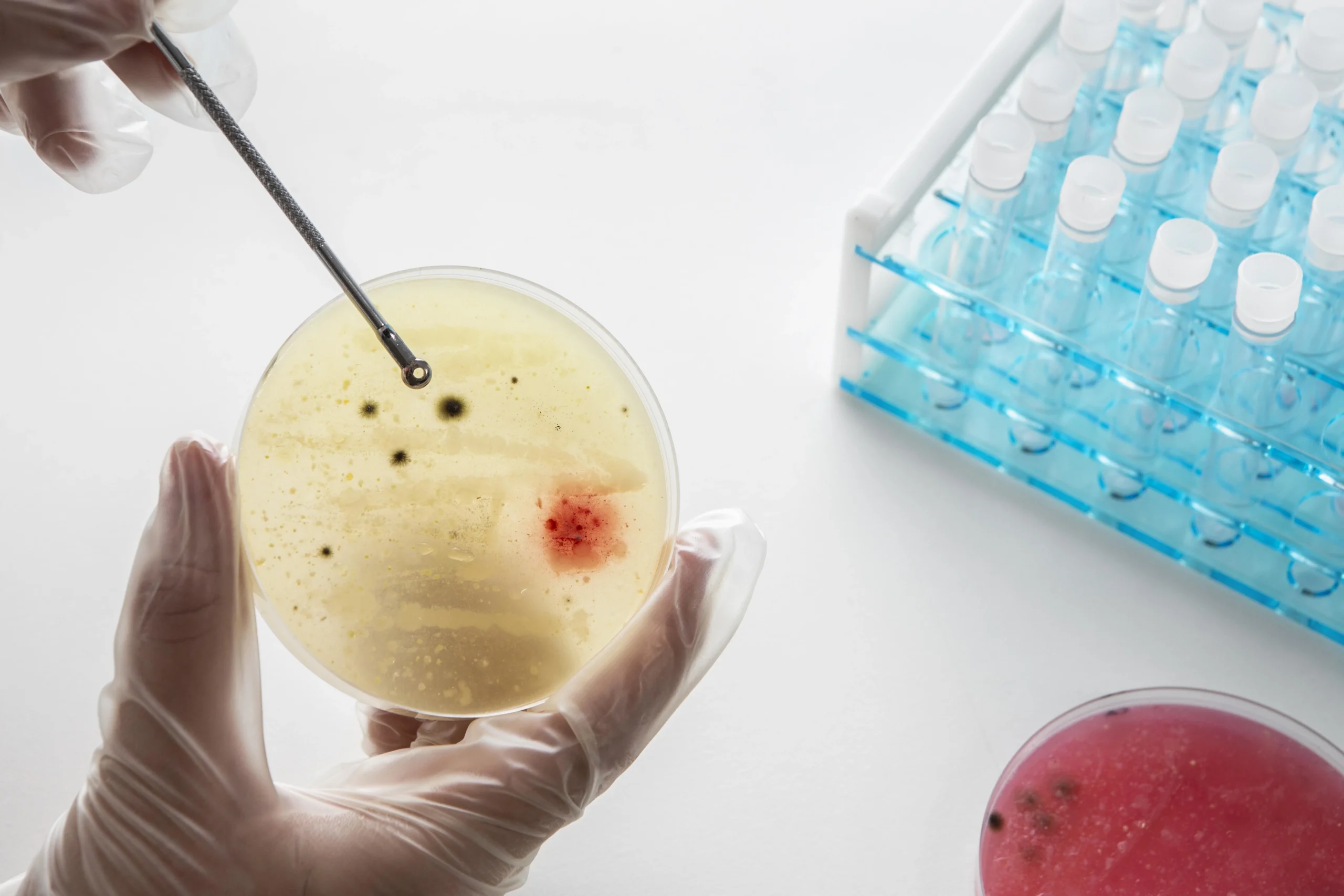
One contaminated batch. That’s all it takes to unravel years of regulatory standing, client trust, and market credibility. The financial hit is painful enough — but the legal and reputational fallout can last far longer. Microbiological testing is what stands between your product and that outcome. Get it right, and it becomes one of the strongest pillars of your quality system.
The thing is, microbiological testing isn’t one test. It’s a range of methods, each designed to catch a different type of risk at a different stage of production. Knowing which tests apply to your product — and when is half the battle. The other half is working with an analytical testing lab that actually understands your industry.
Here’s a clear breakdown of the tests that matter most:
1. Total Viable Count (TVC)
Think of TVC as your first read on a sample. It counts the total number of live microorganisms present — bacteria, yeast, mould — and tells you whether the contamination level is within an acceptable range or something that needs a closer look.
In pharmaceutical lab testing, TVC is run across raw materials, in-process samples, and finished products. It doesn’t tell you what’s there — just how much. A result that falls outside specification opens the door to further investigation. It’s rarely the last word, but it’s always the first.
2. Sterility Testing
For injectables, ophthalmic preparations, and implantable devices, sterility testing confirms the complete absence of viable microorganisms — a mandatory requirement under IP, BP, USP, and EP standards.
Drug testing labs run this under strict aseptic conditions using membrane filtration or direct inoculation. Any microbial growth detected is treated as a failure — no exceptions. There is no grey area here, which is why the environment, methods, and validation status of the drug testing laboratories in India you work with matter more than they do for most other tests.
3. Specific Pathogen Detection
Beyond total microbial load, manufacturers need to screen specifically for dangerous pathogens. The most commonly tested organisms include:
- Salmonella spp. — a critical test for food products, nutraceuticals, and raw botanical ingredients
- Escherichia coli (E. coli) — indicator organism for faecal contamination in food, water, and pharmaceutical raw materials
- Staphylococcus aureus — tested in topical pharmaceutical products, cosmetics, and food
- Pseudomonas aeruginosa — particularly relevant for aqueous pharmaceutical preparations
- Clostridium spp. — anaerobic pathogens of concern in certain food and pharma applications
- Listeria monocytogenes — a high-priority pathogen in food manufacturing environments
Pathogen detection panels are customised based on the product type, intended use, and the regulatory market. A quality assurance testing lab will help manufacturers determine the right panel rather than running blanket tests that add cost without adding insight.
4. Endotoxin and Pyrogen Testing
Endotoxins are heat-stable remnants of gram-negative bacterial cell walls. A product can be fully sterile and still carry enough residual endotoxin to trigger a serious fever response in a patient, which is why endotoxin testing is mandatory for parenteral pharmaceuticals and medical devices.
The LAL test and the newer rFC assay are the standard methods that pharmaceutical testing services use to quantify levels. For drug testing companies in the injectable and IV space, this is a routine release requirement — not a discretionary one.
5. Environmental Monitoring
Contamination doesn’t always originate in the product — often it comes from the environment where it’s made. Air, surfaces, personnel, water systems, equipment contact points — all of it gets tested under an environmental monitoring programme to catch microbial drift before it reaches the product.
For pharmaceutical manufacturers, it’s a GMP requirement. For food producers, it sits at the core of HACCP compliance. A quality assurance testing laboratory that knows what it’s doing won’t just run the tests — it will help you build monitoring schedules, set meaningful alert limits, and read your data as a trend rather than a series of isolated results.
6. Microbial Water Testing
Water is one of the most overlooked contamination vectors in pharmaceutical and food manufacturing. Purified Water, Water for Injection, and process water all carry microbial risk and need to be tested routinely — not just when something looks off.
Standard tests include Total Viable Count, E. coli and coliform screening, Pseudomonas aeruginosa detection, and conductivity and TOC limits. Drug testing labs near me that fold water testing into their broader pharmaceutical testing services make this easier to manage — one programme, one partner, less back-and-forth.
7. Antimicrobial Efficacy Testing
Preserved pharmaceutical products, eye drops, multi-dose injectables, and topical creams — need to prove that their preservative system actually works over the product’s intended shelf life. That’s what antimicrobial efficacy testing confirms.
It’s as much a development tool as a release test. Manufacturers working with drug testing services use AET data during formulation to dial in preservative concentrations — enough to be effective, not so much that it creates safety or regulatory problems.
Choosing the Right Lab Makes the Difference
Microbiological testing isn’t a formality. Each test in this list exists because a real contamination risk has caused real harm — and the regulatory frameworks built around them reflect that. For manufacturers, the question isn’t whether to test. It’s whether you’re testing the right things, with the right methods, at the right intervals.
That’s where your lab partner matters. Working with NABL-accredited labs in India means your results carry the weight of independent verification — the kind that holds up in regulatory submissions, client audits, and market releases. If you’ve been searching for NABL-certified labs near me or evaluating drug testing labs in India for your quality programme, accreditation should be the first filter you apply.
Qualitek Labs is one of the best testing services in India — offering the full range of microbiological testing for pharmaceutical, food, and industrial manufacturers. From sterility and endotoxin testing to environmental monitoring and pathogen detection, our drug testing lab infrastructure is built to deliver results your quality team can act on with confidence.
Frequently Asked Questions
1. What is microbiological testing and why is it important for manufacturers?
Microbiological testing detects harmful microorganisms in products and environments. Manufacturers rely on drug testing labs and pharmaceutical testing services to prevent contamination, ensure compliance, and maintain product safety and quality standards.
2. What tests are included in microbiological testing for contamination and pathogens?
Microbiological testing includes Total Viable Count, sterility testing, pathogen detection, endotoxin testing, environmental monitoring, water testing, and antimicrobial efficacy testing, typically conducted in an analytical testing lab or quality assurance testing laboratory.
3. What is Total Viable Count (TVC) in pharmaceutical lab testing?
Total Viable Count measures the number of live microorganisms in a sample. It is commonly used in pharmaceutical lab testing by drug testing companies to assess overall microbial contamination levels.
4. Why is sterility testing required in pharmaceutical testing services?
Sterility testing ensures products are completely free from microorganisms. Pharmaceutical testing services and drug testing laboratories in India perform this critical test for injectables, ensuring compliance with global regulatory standards.
5. Which pathogens are commonly tested in microbiological testing?
Common pathogens include Salmonella, E. coli, Staphylococcus aureus, Pseudomonas aeruginosa, and Listeria. Drug testing labs in India and analytical testing labs detect these to prevent contamination risks.
6. What is endotoxin testing, and why is it important?
Endotoxin testing detects bacterial toxins that remain after sterilisation. Drug testing services and pharmaceutical testing services use LAL or rFC methods to ensure injectable products are safe for human use.
7. What is environmental monitoring in microbiological testing?
Environmental monitoring checks microbial contamination in air, surfaces, water, and personnel. A quality assurance testing lab helps manufacturers maintain clean production environments and comply with GMP and HACCP standards.
8. Why is water testing important in microbiological testing?
Water testing detects microbial contamination in purified water and process water. Drug testing labs near me often include water testing in pharmaceutical testing services to ensure safe manufacturing processes.
9. What is antimicrobial efficacy testing (AET)?
Antimicrobial efficacy testing evaluates whether preservatives in products effectively control microbial growth. Drug testing companies use AET during formulation and stability testing to ensure long-term product safety.