

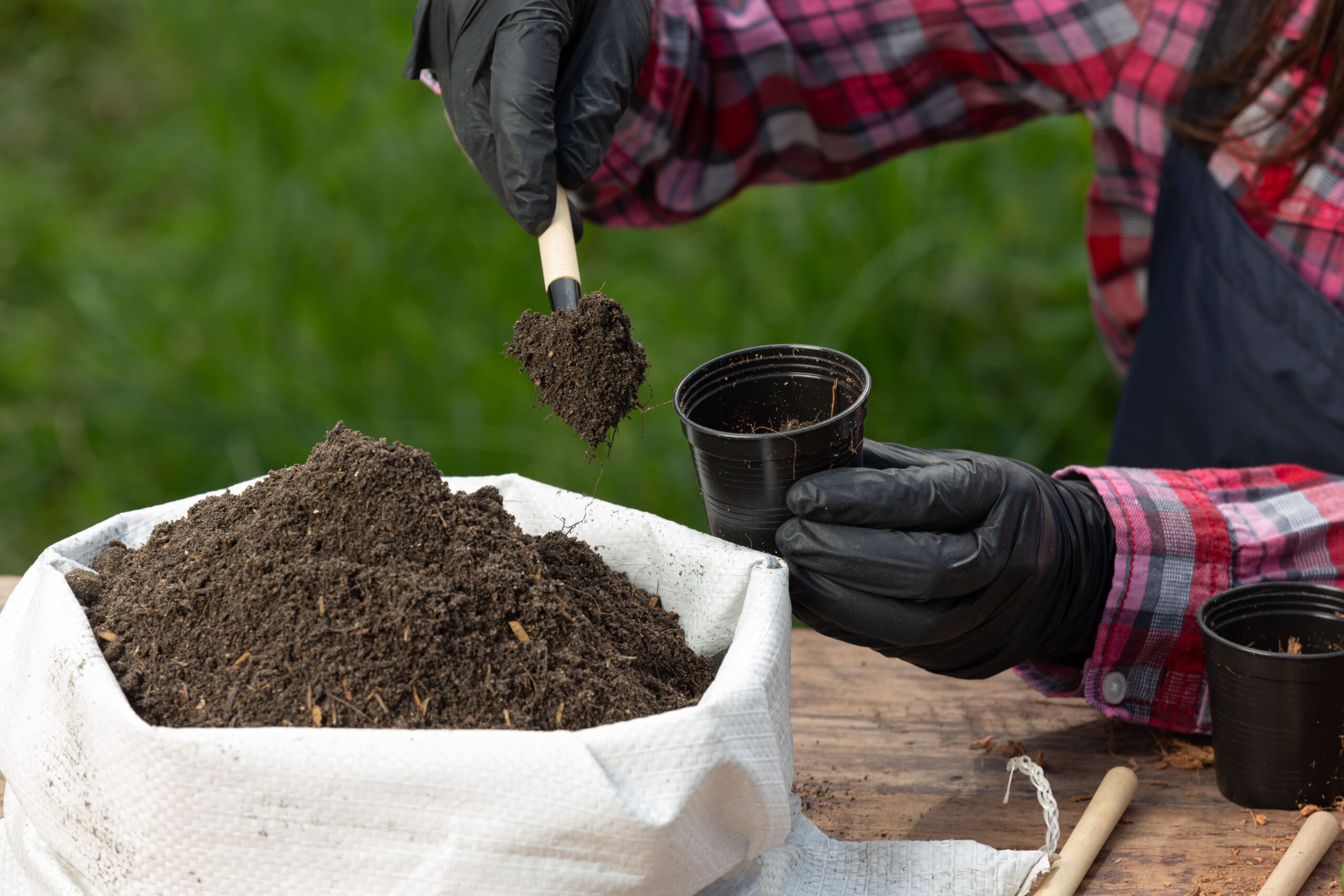
In a country like India—where agriculture feeds millions and supports livelihoods—soil health plays a silent yet powerful role in food safety. Most people associate foodborne illnesses with unhygienic handling or poor storage, but many of these health risks actually begin where food is grown: the soil. Contaminated soil can harbor pathogens, heavy metals, and chemical residues that enter our food chain undetected. This is why using a soil testing lab isn’t just good agricultural practice—it’s a public health safeguard.
In this blog, we’ll explore five compelling ways soil testing helps prevent foodborne illnesses and long-term health risks. We’ll also show how choosing a certified soil testing laboratory—like Qualitek Labs—can ensure safer food production and healthier communities.
Detecting Harmful Pathogens in Soil
Soil isn’t just dirt—it’s a living ecosystem filled with bacteria, fungi, and microorganisms. While many of these are beneficial, some can be harmful to humans. Dangerous pathogens like Salmonella, Listeria monocytogenes, and E. coli can survive in contaminated soils and transfer to crops, especially leafy vegetables and root-based foods.
Soil testing labs play a critical role in identifying these microorganisms before crops are planted. Testing helps farmers and producers avoid planting in contaminated areas or take preventive action like sterilization or crop rotation. According to the Food Safety and Standards Authority of India (FSSAI), one of the emerging causes of foodborne outbreaks in India is produce contaminated by infected soils.
✅ Example: In several northern Indian states, recurring outbreaks of E. coli infections were linked back to untreated sewage used for irrigation—something soil testing could have caught early.
Identifying Heavy Metal Contamination
Heavy metals like arsenic, lead, cadmium, and mercury are toxic to humans—even in small quantities. Unfortunately, due to industrial runoff, pesticide misuse, and urban waste, many agricultural soils in India are laced with these contaminants.
A reliable soil testing laboratory provides analytical testing services to detect these metals. Long-term consumption of crops grown in heavy-metal-contaminated soil can cause:
- Neurological disorders
- Kidney and liver damage
- Developmental issues in children
- Increased risk of cancer
Soil testing services enable both large and small-scale farmers to monitor and mitigate these risks. These tests can determine whether a plot of land is safe for growing food and suggest remediation strategies if contamination is found.
✅ Real-World Insight: In West Bengal, arsenic contamination in soil and groundwater has affected thousands. Regular soil testing in affected zones has become critical to protect communities from chronic arsenic exposure through rice and vegetables.
Preventing Overuse of Fertilizers and Pesticides
In India, the overuse of chemical fertilizers and pesticides is a major problem. While these inputs can boost yield in the short term, excessive use can degrade soil quality and leave behind toxic residues.
Through soil testing services, farmers gain a precise understanding of their soil’s nutritional needs. This enables them to apply only what is needed, reducing the accumulation of nitrates, phosphates, and harmful chemicals that can leach into crops.
High nitrate levels, for example, are associated with a condition called methemoglobinemia or “blue baby syndrome” in infants. Analytical testing services in a certified lab can measure these values and alert users when they cross safe thresholds.
✅ Example: Farmers in Punjab, known for intensive farming, often face nitrate runoff in soil and water. Local governments now encourage regular soil testing as part of sustainable agriculture missions to protect both crop yield and public health.
Ensuring Compliance with Food Safety and Export Regulations
For exporters and agribusinesses, food safety isn’t just about health—it’s about meeting stringent international regulations. Many importing countries require detailed soil and crop safety reports.
A certified inspection company or certification company can verify the quality of testing reports from soil testing labs in India. Soil testing ensures compliance with:
- FSSAI regulations
- EPA Act (India, 1986)
- International Codex guidelines
- EU and USDA organic standards
By working with an accredited soil testing lab, producers can present verifiable documentation that their crops were grown in safe, contaminant-free soil—reducing the risk of shipment rejections or brand reputation damage.
✅ Example: A major Indian spice exporter faced a temporary ban from the EU due to high lead levels found in turmeric. Soil testing and certification helped the company restore its market credibility by proving corrective action.
Improving Soil Health to Build Disease-Resistant Crops
Healthy soil grows healthy plants. Beyond detecting toxins, a good analytical testing laboratory can measure soil pH, organic matter, microbial activity, and nutrient levels—all of which contribute to plant immunity.
Plants grown in well-balanced, microbe-rich soils are naturally more resistant to diseases and pests. They are also less likely to absorb contaminants. A soil testing lab provides insights that allow farmers to rebuild soil biodiversity through practices like:
- Organic composting
- Bio-fertilizer application
- Crop rotation
- Integrated pest management (IPM)
Improving soil health not only protects crops but also reduces the need for chemicals that can harm consumers.
✅ Example: Organic farms in Maharashtra rely heavily on regular soil analysis to maintain healthy crops without synthetic pesticides—demonstrating how soil testing supports both ecological and food safety goals.
Why Choose Qualitek Labs – India’s Trusted Soil Testing Laboratory
At Qualitek Labs, we understand the critical link between soil health and public health. With our years of experience in analytical testing services, we support farmers, food producers, and government agencies with fast, accurate, and reliable soil assessments.
- We operate state-of-the-art soil testing labs in India, equipped with the latest technology.
- Our tests are conducted according to the EPA Act 1986, IS standards, and global food safety benchmarks.
- We work with manufacturers, NGOs, corporates, and individuals—delivering inspection, testing, and certification with a customer-first approach.
- Our goal is to make soil testing accessible, affordable, and impactful for every stakeholder in the food supply chain.
We’re more than a lab—we’re your partners in building a safer, healthier food system.
Final Thoughts
Soil isn’t just the foundation of agriculture—it’s the foundation of food safety. From identifying hidden pathogens to reducing chemical usage, investing in regular soil testing is a proactive step towards a healthier, safer future.
At Qualitek Labs, we are committed to helping you take that step with confidence. With our advanced equipment, expert team, and commitment to global standards, we make soil testing easier, faster, and more accurate. Protect your crops, your consumers, and your credibility—partner with us for your soil testing needs.
FAQs
-
How often should soil be tested in agricultural land?
Ideally, soil should be tested once every cropping season, or at least twice a year, depending on the crop and region. Regular testing ensures early detection of contaminants and better soil management.
-
Can contaminated soil affect fruits and vegetables grown in it?
Yes. Many fruits and vegetables can absorb heavy metals, nitrates, or pathogens from contaminated soil, leading to foodborne illnesses or chronic health issues.
-
What tests are included in soil testing services?
A typical test includes pH balance, nutrient profile, microbial activity, and screening for pathogens, pesticides, and heavy metals.
-
Are soil testing labs in India reliable?
Yes, especially when you choose NABL-accredited and EPA-compliant labs like Qualitek Labs, which follow international protocols for testing and certification.
-
How long does it take to get results from a soil testing laboratory?
Most analytical testing laboratories provide results within 3 to 7 working days, depending on the complexity of the tests.
-
Is soil testing mandatory for food exporters?
While not always mandatory, it is highly recommended. Many global buyers and regulatory bodies expect documentation showing crops were grown in contaminant-free soils.