

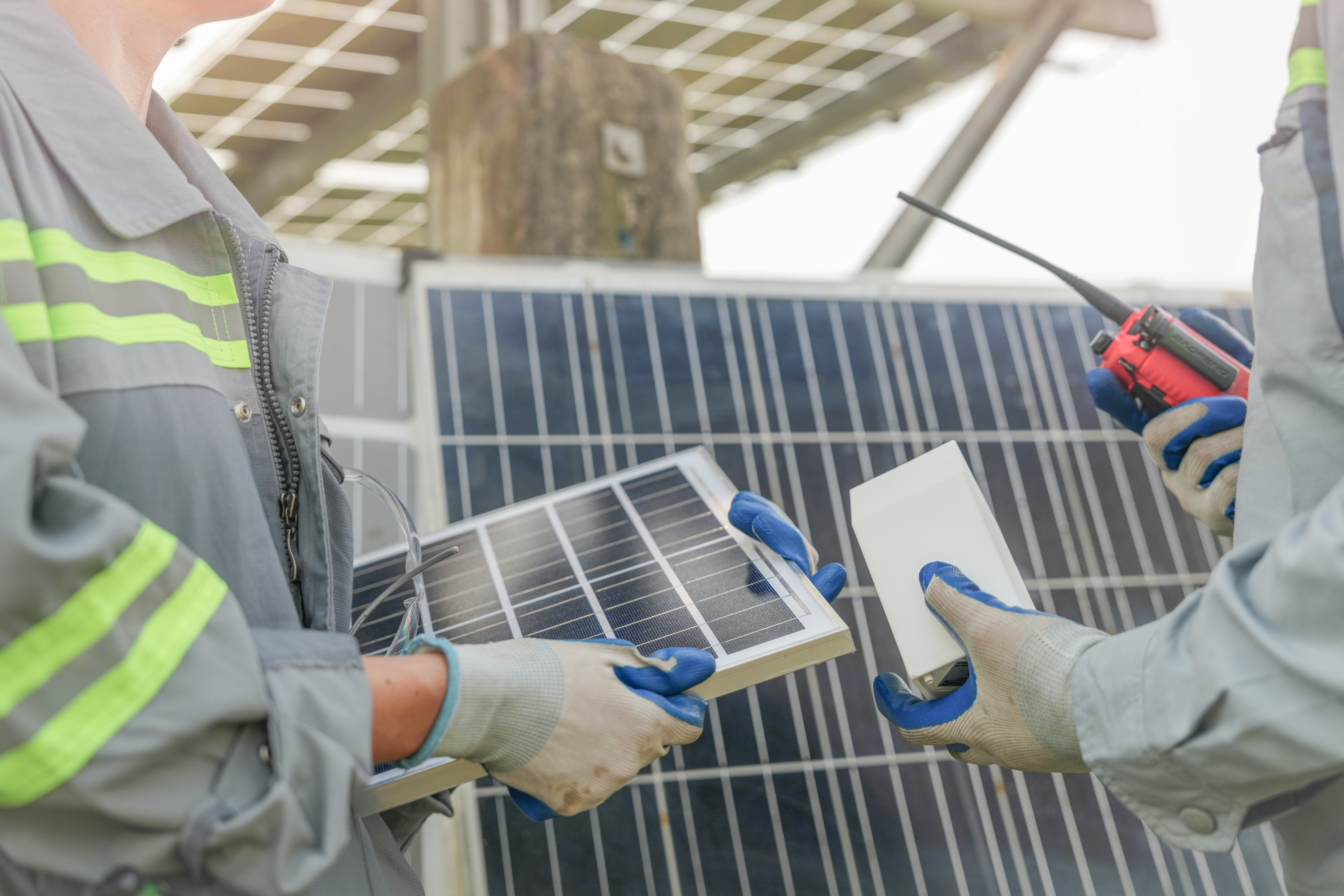
Few industries are growing as fast as solar right now. And with that growth comes a challenge manufacturers can’t afford to ignore: product failure. Panels, inverters, batteries, balance-of-system components — demand across the board is climbing, and the pressure to deliver faster and cheaper has never been higher. This is exactly why solar energy testing has become non-negotiable for modern manufacturers. Because when production scales quickly, quality gaps tend to follow. A defective module doesn’t stay a factory problem for long. Once it’s in the field, you’re looking at underperforming systems, frustrated customers, warranty claims, and a reputation that takes years to rebuild.
Why Product Failures Are a Growing Concern in Solar Manufacturing
The conditions solar products work in are unforgiving. Extreme heat. Coastal humidity. Dust-heavy regions. UV radiation day after day, year after year. A factory test tells you what a panel can do under ideal circumstances. It doesn’t tell you what happens after five years on a rooftop in a high-temperature, high-dust environment.
Manufacturers often face issues such as:
- Microcracks in solar modules
- Corrosion due to moisture ingress
- Delamination
- Hotspots
- Electrical insulation failures
- Reduced energy output over time
Production checks don’t catch everything. Some defects only reveal themselves after months of outdoor exposure, by which point the product is already installed, and the warranty clock is running. Renewable energy testing exists for exactly this reason — to surface those hidden weaknesses before they become field problems.
The Role of Solar Energy Testing in Quality Assurance
Solar energy testing puts products through conditions that mirror real-world deployment — temperature extremes, humidity, UV exposure, and mechanical load. The goal is straightforward: understand how a product behaves under stress before it reaches a customer’s rooftop.
An experienced Energy Testing Lab can conduct multiple evaluations, including:
- Thermal cycling tests
- Damp heat testing
- UV exposure testing
- Mechanical load testing
- Electrical safety testing
- Performance efficiency checks
The data from solar energy testing tells manufacturers something a factory check never can — whether a product will still perform five, ten, or twenty years into deployment. Skip that step, and you’re not making an informed decision. You’re making an assumption.
Reducing Failures Before They Reach the Market
Small problems have a way of becoming expensive ones. An encapsulation issue that nobody flags during assembly can quietly develop into a module failure after months of heat and humidity exposure. A reliable energy testing service finds that vulnerability early — when correcting it costs time, not customers. This is particularly critical for manufacturers selling into international markets, where regulatory standards are strict, and performance expectations leave very little margin for error.
Reliable energy testing solutions reduce the chances of:
- Product recalls
- Warranty claims
- Installation failures
- Customer complaints
- Reputation damage
In competitive industries like solar manufacturing, reliability quickly becomes a differentiator.
Why Analytical Testing Matters in Renewable Energy
Modern solar products are considerably more sophisticated than earlier generations. The materials, coatings, polymer systems, and electrical components involved have all evolved — and with that evolution comes a need for deeper analysis. An analytical testing lab gives manufacturers visibility into how these materials actually behave, not just how they’re specified on a datasheet.
An advanced analytical testing laboratory helps identify:
- Material degradation
- Chemical instability
- Surface contamination
- Structural inconsistencies
- Failure points in components
Good analysis from analytical laboratories feeds directly back into product development — sharper designs, more efficient processes, fewer assumptions baked into production decisions. When field failures do occur, that same analytical capability becomes a diagnostic tool. Manufacturers get a clear picture of what failed and why, not a best guess. That kind of clarity is what drives real, lasting improvement.
Testing Beyond Solar: The Renewable Energy Industry Shift
Quality standards across the renewable sector are rising. Turbine manufacturers are investing in wind energy testing with the same seriousness solar manufacturers brought to module validation. Renewable energy testing frameworks are expanding — not because regulations demand it, but because the industry has learned what reactive quality control actually costs. The shift is toward preventive reliability engineering. Testing isn’t about clearing a standard anymore. It’s about reducing operational risk across a product’s entire working life. As renewable infrastructure scales globally, the demand for robust energy testing solutions will only grow.
Compliance, Certification, and Market Trust
Every international market comes with its own set of technical and safety requirements. Miss them and your product doesn’t ship. A reliable inspection company and certified testing partner make sure manufacturers walk into those conversations prepared — with documentation that holds up, not assurances that don’t.
An experienced Energy Testing Lab provides documentation, traceability, and validated performance data that can support:
- Product certifications
- Export approvals
- Regulatory compliance
- Customer confidence
For manufacturers, this creates a strong competitive advantage in both domestic and global markets.
Choosing the Right Testing Partner
Not every lab understands renewable energy manufacturing. The equipment, the protocols, the failure modes specific to solar and wind product these require specialised knowledge that general-purpose labs often don’t have. A dependable provider of analytical testing services needs to understand both the science and the production realities manufacturers are working within. Turnaround time, reporting clarity, and technical support matter just as much as instrument capability.
This is where Qualitek Labs delivers. With focused expertise in solar energy testing, renewable energy testing, and energy testing solutions, they help manufacturers build reliability into products before they reach the field. As an established analytical testing laboratory and trusted inspection company, Qualitek Labs gives manufacturers the data and validation needed to ship with confidence. In a sector where one underperforming product can damage years of brand equity, that’s not a small thing.
Frequently Asked Questions
1. What is solar energy testing and why is it important for manufacturers?
Solar energy testing evaluates the performance, durability, and safety of solar products under real-world conditions. It helps manufacturers identify defects early and reduce long-term product failures.
2. How does renewable energy testing reduce product failures?
Renewable energy testing exposes products to environmental and mechanical stress conditions before market deployment. This helps manufacturers detect weaknesses that could later cause system failures or warranty claims.
3. What tests are typically conducted in an Energy Testing Lab?
An Energy Testing Lab performs thermal cycling, damp heat testing, UV exposure testing, mechanical load testing, electrical safety evaluations, and performance efficiency checks for renewable energy products.
4. Why are analytical testing services important in solar manufacturing?
Analytical testing services help manufacturers identify material degradation, contamination, and structural inconsistencies. These insights improve product reliability, production quality, and long-term field performance.
5. How do energy testing solutions improve product reliability?
Reliable energy testing solutions simulate real operating conditions to evaluate product durability and efficiency. This helps manufacturers reduce recalls, minimise failures, and improve customer confidence.
6. What role does an inspection company play in renewable energy manufacturing?
An inspection company helps manufacturers verify product quality, compliance, and safety standards. Proper inspections support certifications, export approvals, and reliable product performance in the field.
7. Why is analytical testing important for solar panels and components?
An analytical testing laboratory helps manufacturers understand how materials and components behave under stress. This reduces the risk of performance loss, corrosion, and unexpected failures after installation.